

The Cars | Tunnel, Pre Collapse | Tunnel, Days after the Collapse | Tunnel, after Completed Repairs | Maps
One of my favourite tunnels in Liverpool, has to be the only underground section of the historic Liverpool Overhead Railway (LOR), otherwise known as the Dockers Umbrella.
The official opening ceremony of the Liverpool Overhead Railway took place on the 4th February 1893. The railway ran alongside Liverpool’s busy waterfront, high up on an iron viaduct for pretty much its entire length. The elevated railway rewarded passengers with spectacular panoramic views of Liverpool’s thriving docklands and the many ships using the docks.
The Overhead Railway introduced several pioneering technological “firsts”, being the first electrically powered overhead railway in the world to use a 3rd rail. The line was also the first to use electric colour light signals, some of which were mechanicaly operated, though much of the railway’s route was fitted with the first ever automatic signalling system.
On the 21st December 1896 the OHR was extended further south from Herculaneum, to serve the busy residential area of Dingle, Sefton Park and Garston. The Southern Extension, crossed a 200ft lattice girder bridge, before entering the 1072yd Tunnel, with Dingle’s underground Station at it’s South end.
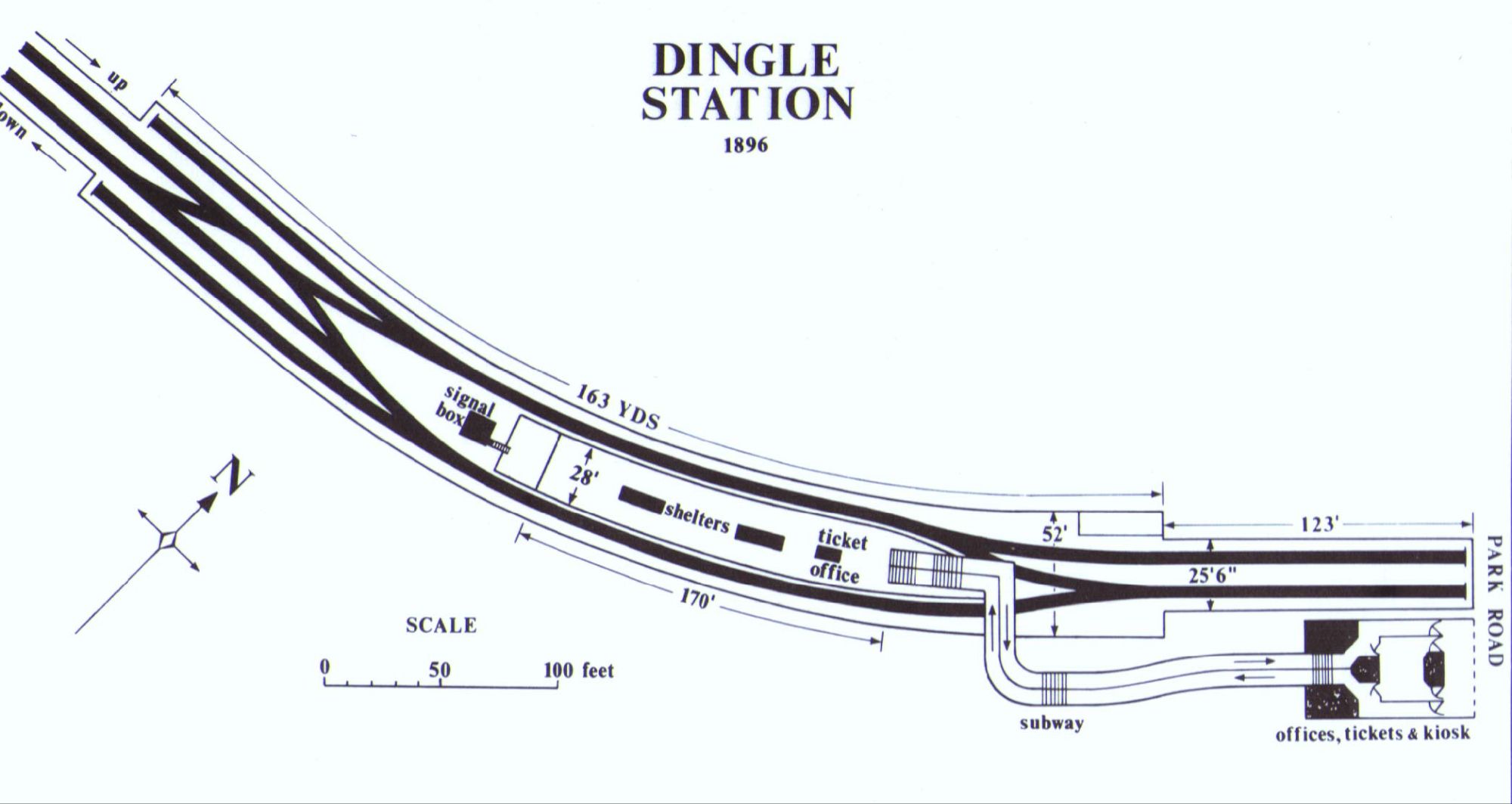
On the 23rd December 1901, a train from Seaforth Sands to Dingle, entered the tunnel and suffered a catastrophic fault, causing a fire on the rear coach. The train stopped 80yds from the station, but due to a westerly wind blowing down the tunnel that day, the flames spread quickly along the tunnel, completely destroying the station. Six people were killed that day, with Dingle station remaining closed for more than a year. When the station finally reopened, it had been rebuilt using stone and Iron, following the recommendation of the accident report, which said that passenger stations in tunnels, should have as little timber in their construction as possible to reduce risk of fire.
Sadly, the Overhead Railway was closed completely on the 30th December 1956. The closure of the line was caused by major structural issues, resulting from many years of corrosion and wear and tear, which had also been made worse by bomb damage that had occurred during the War. Sadly, the Liverpool Overhead Railway Company could not afford to carry out the necessary repairs to save the railway. Following closure of the LOR, demolition of the overhead structures and it’s station’s, commenced in September 1957, and by January 1958, the Dockers Umbrella had become a distant memory.


Left Image: High up on the arch of the Dingle Railway Tunnel, is an original semaphore signal, still in it’s original location.
Middle Image: A close up of the original semaphore signal, high on the tunnel arch.
Right Image: The original semaphore signal was safely removed and donated to Liverpool Museum’s by the Tunnel owner. The signal has undergone a full restoration and is now on display in the Museum of Liverpool at the Pier Head.
However, even after closure of the Overhead Railway, the Former Railway Tunnel and station, would continue to have an interesting story to tell…
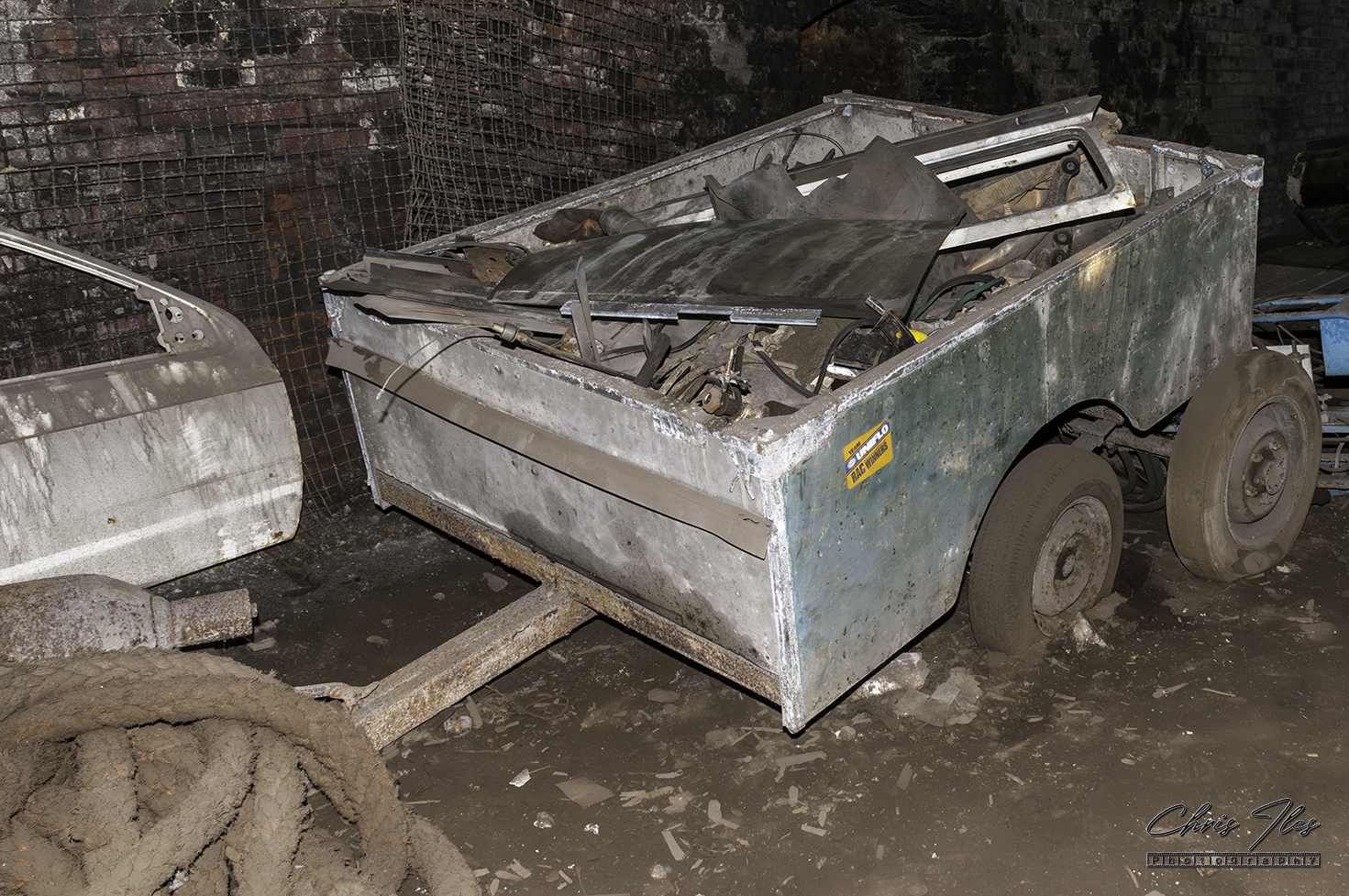
The first change of use came when a Rope Manufacturer purchased the station and Tunnel, with the Tunnel being used to manufacture long lengths of rope. Interestingly, there are piles of rope from this period of the Tunnel’s history still inside today, as can be seen in the Photograph of a Trailor, that looks to have been made from Land Rover panels. The rope, in the left corner of this picture, would have been manufactured within the Tunnel.
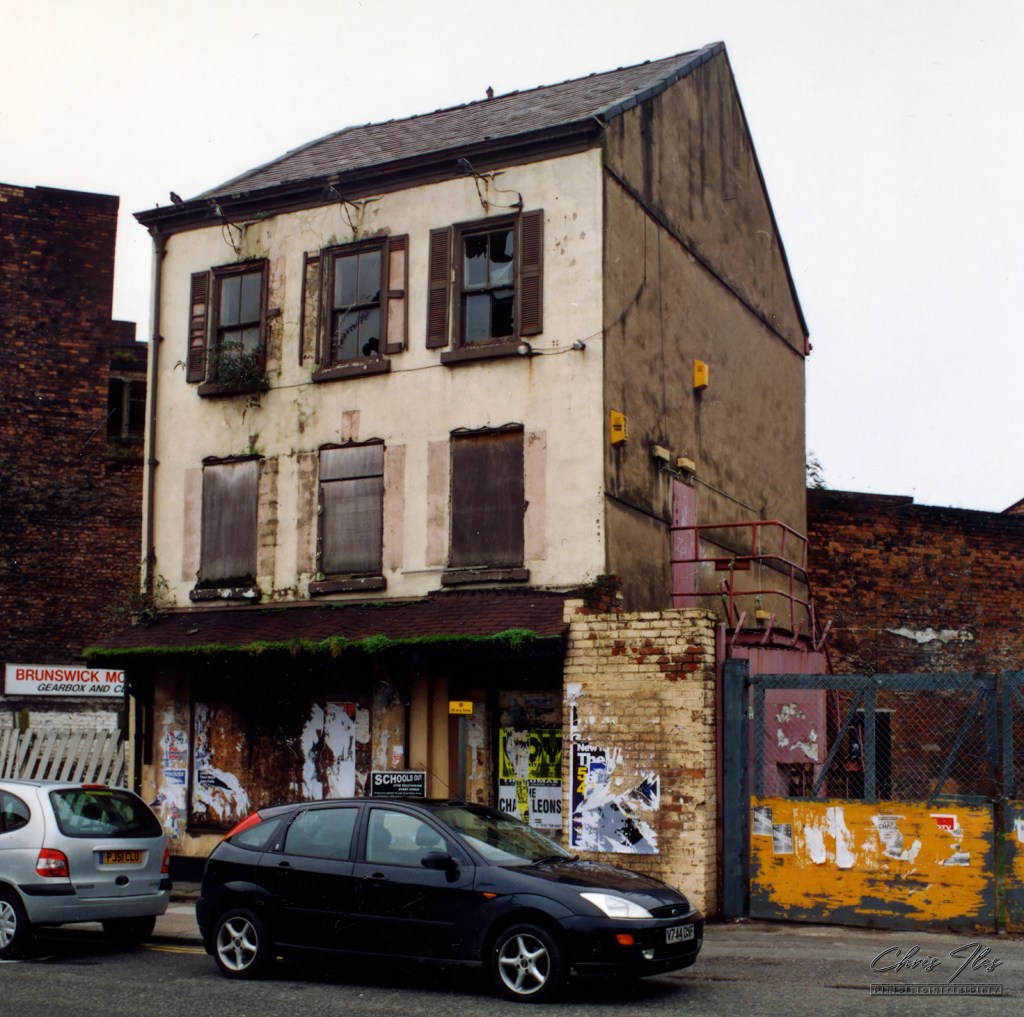
Then in the 1960’s, Dingle station was purchased by a car repair company. The street level Station building was demolished and several underground alterations were made, including the creation of the vehicle access ramp down into the station and Tunnel.
Finally in 1977 the site was purchased once again, this time by Roscoe Engineering, who also ran their car repair business from the former Dingle Station. Additionally, the Tunnel was used for the storage of many cars over the years. Brand new cars from local dealerships would be safely stored in the dry conditions of the tunnel. Whilst many cars that had failed an MOT test, were left by customers that did not want, or could not pay for repairs to be done. So these MOT failures would remain stored in the tunnel for many years, some of which would eventually become sought after restoration projects.
Roscoe Engineering operated from Dingle Station and Tunnel right up to Tuesday 24 July 2012, which was the day it was announced on local TV and Radio News that a section of the Dingle Tunnel had collapsed.
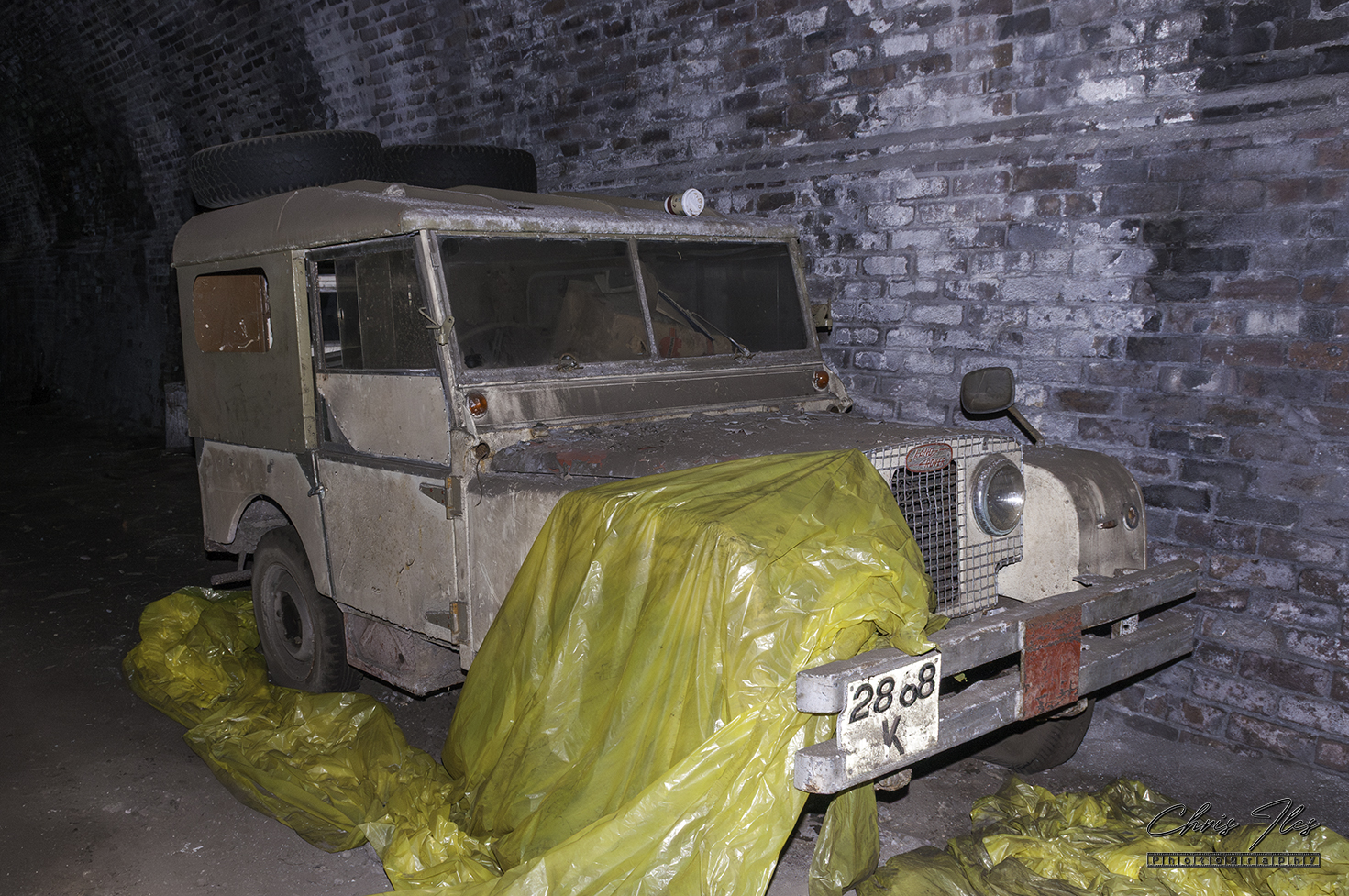
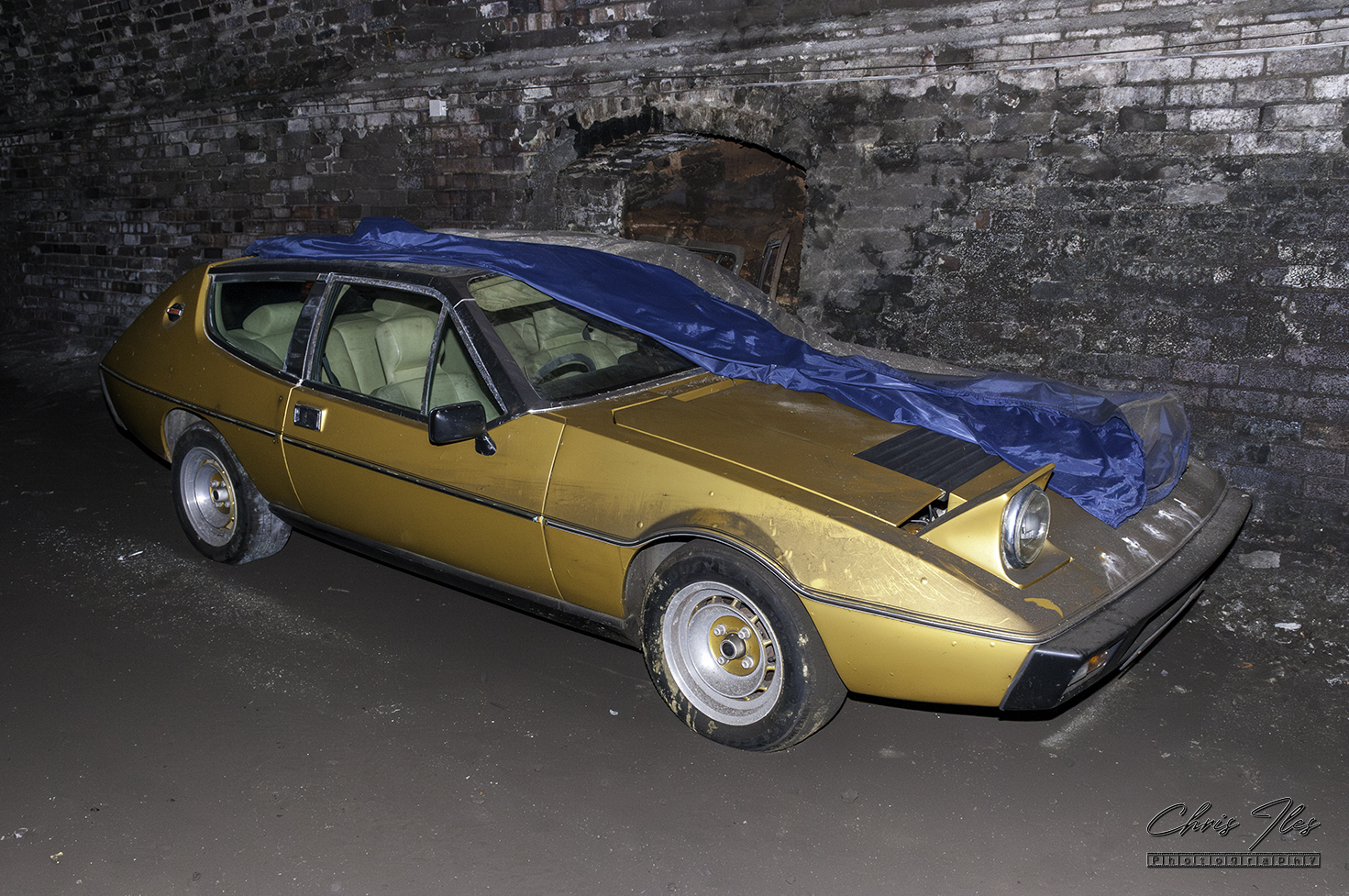
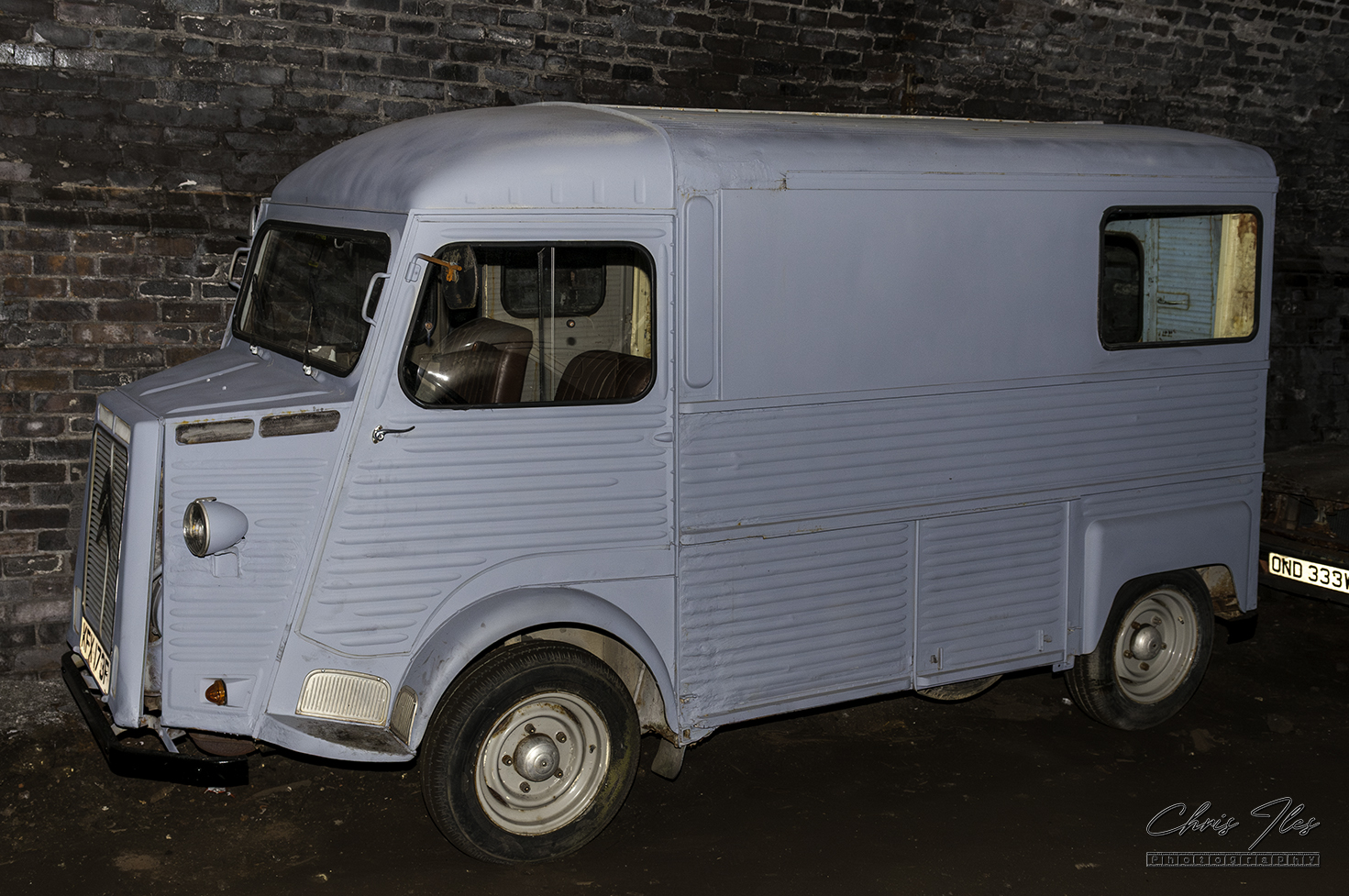
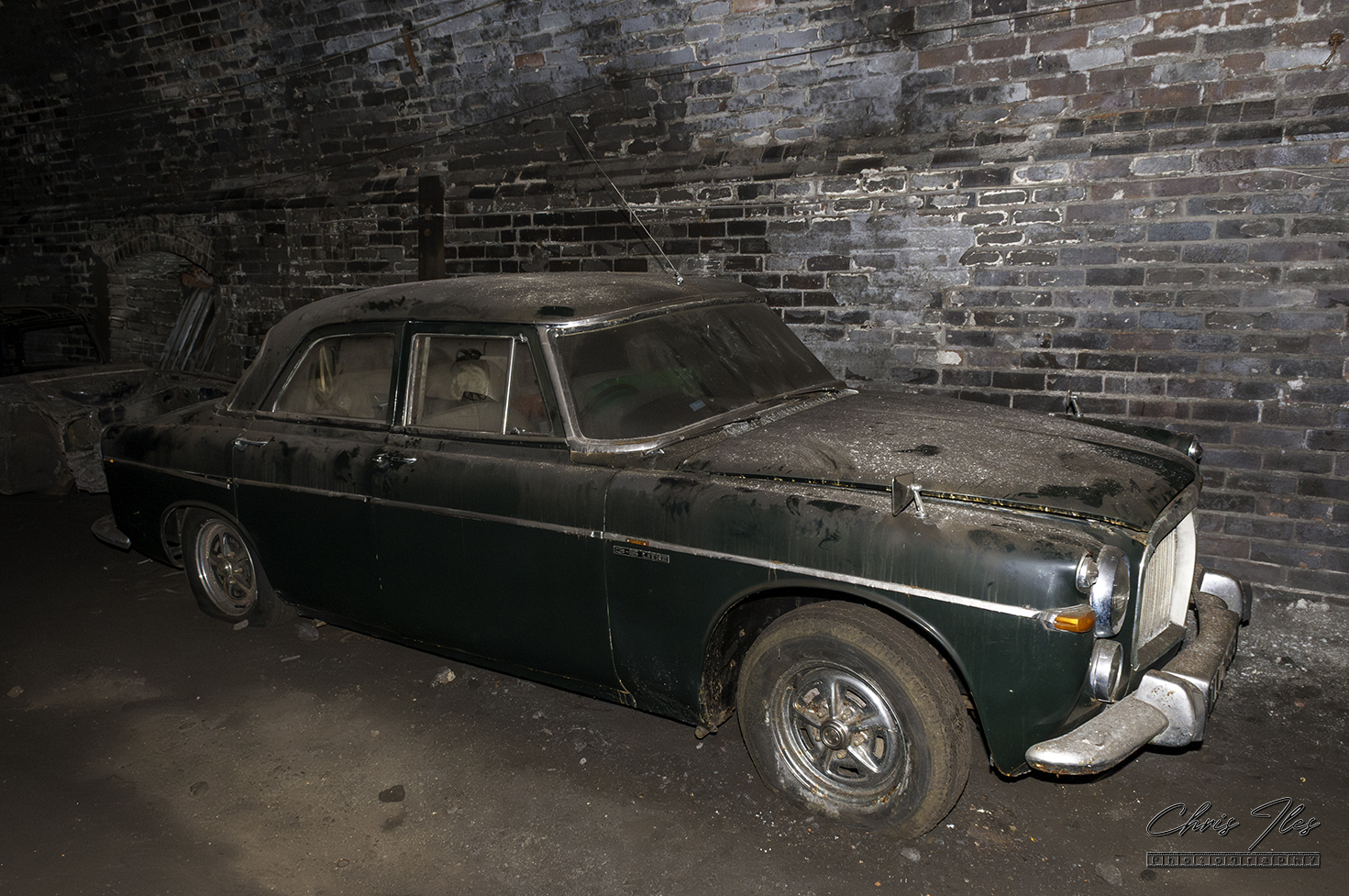
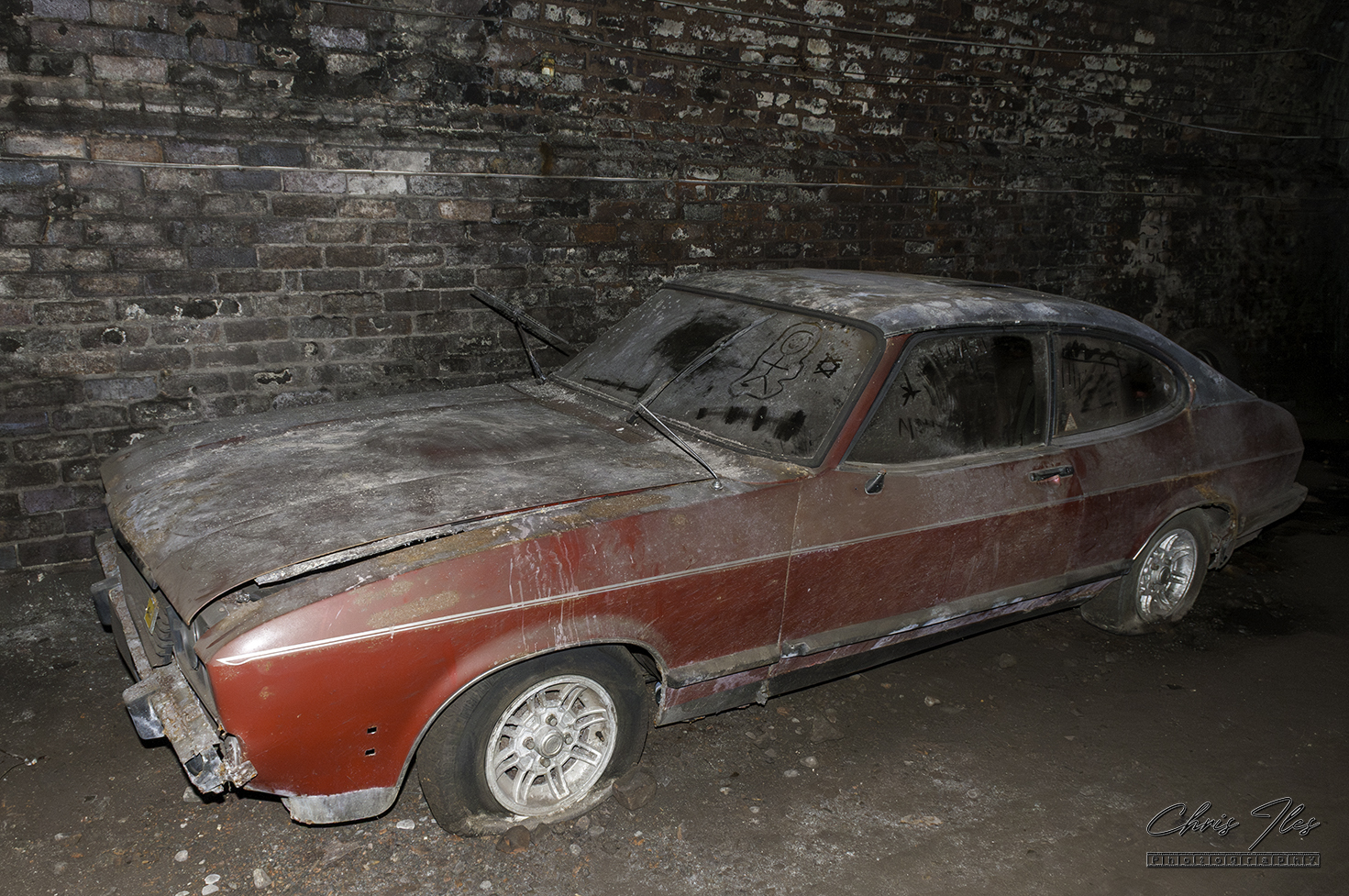
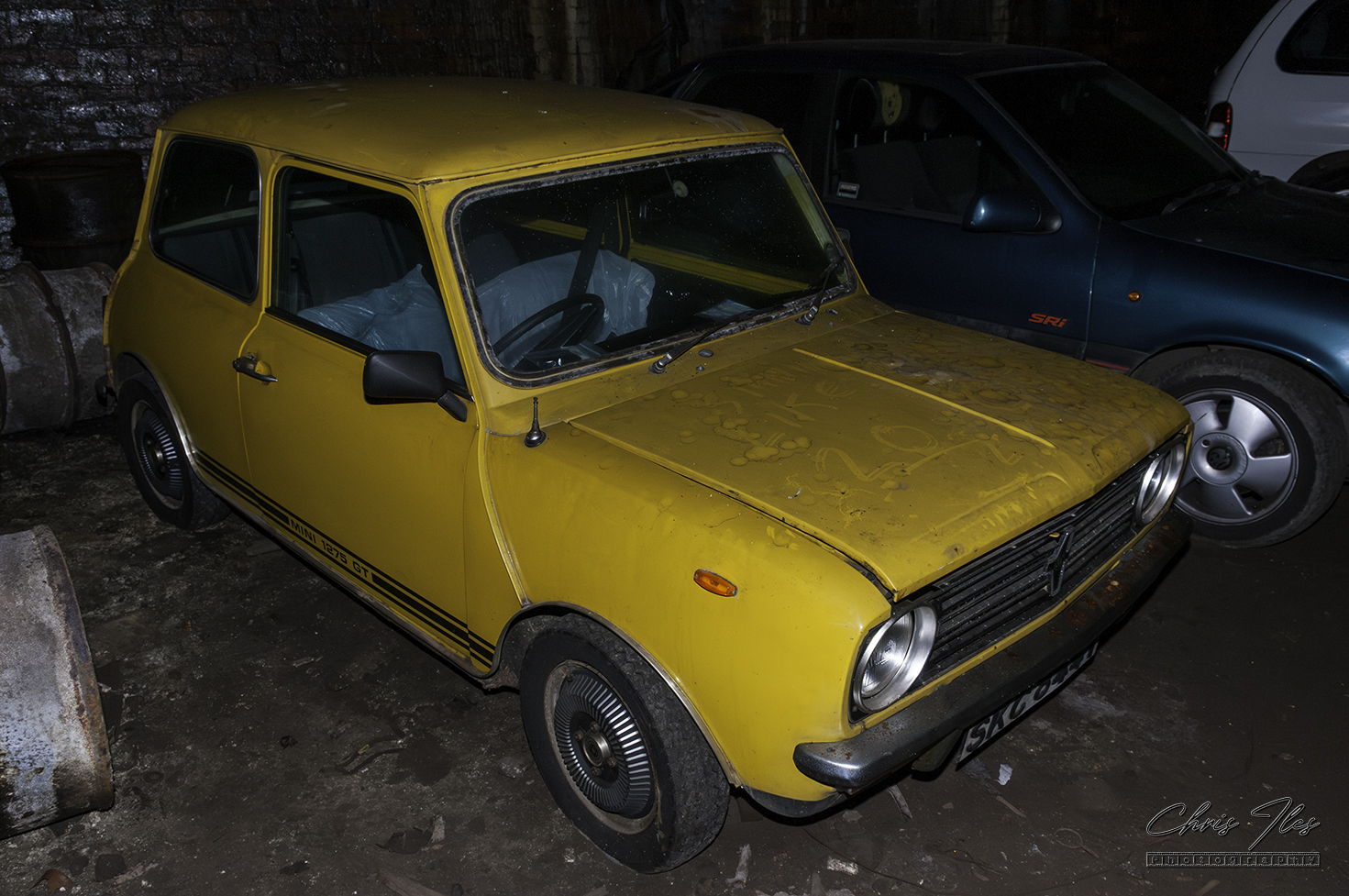
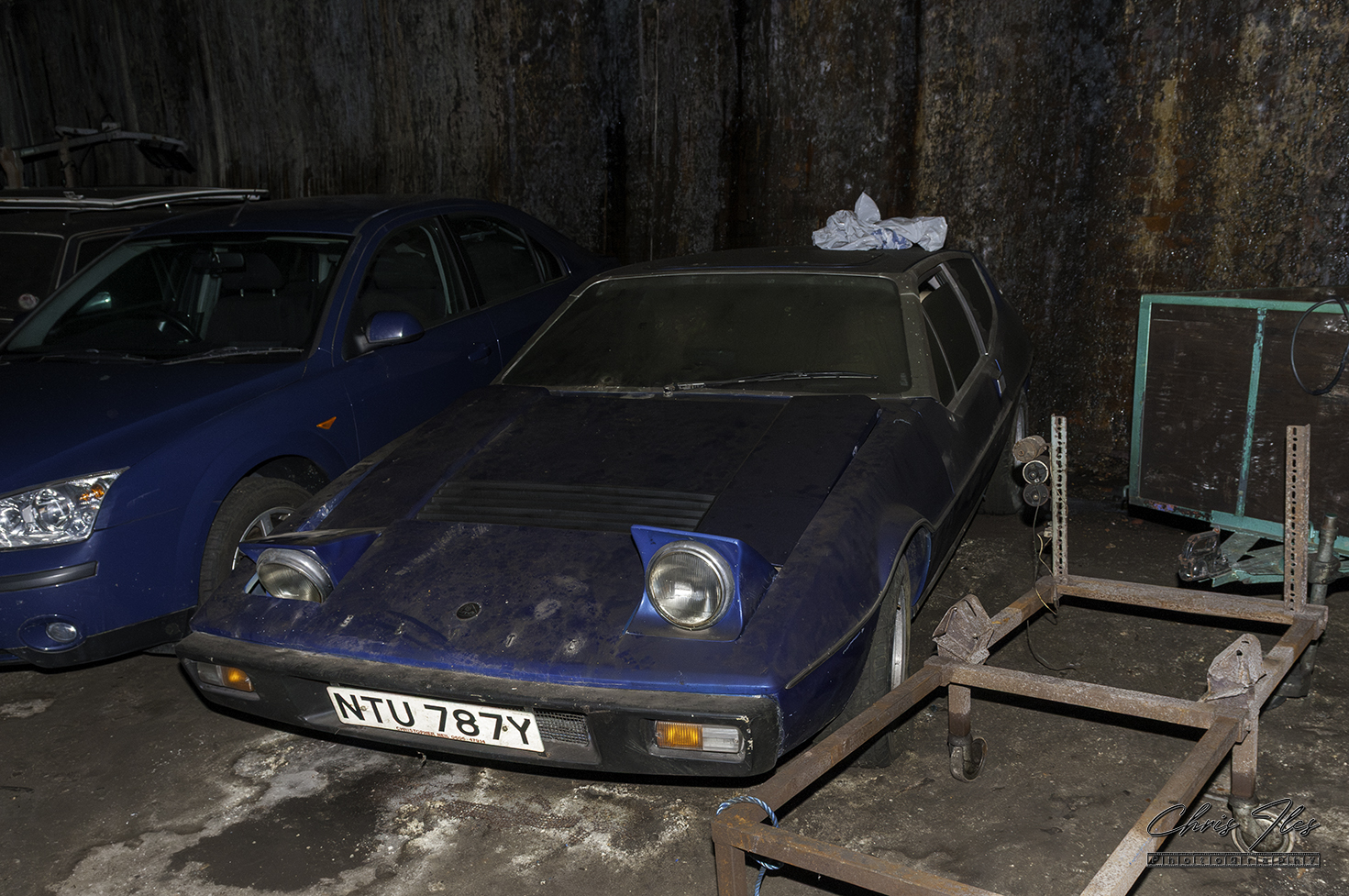
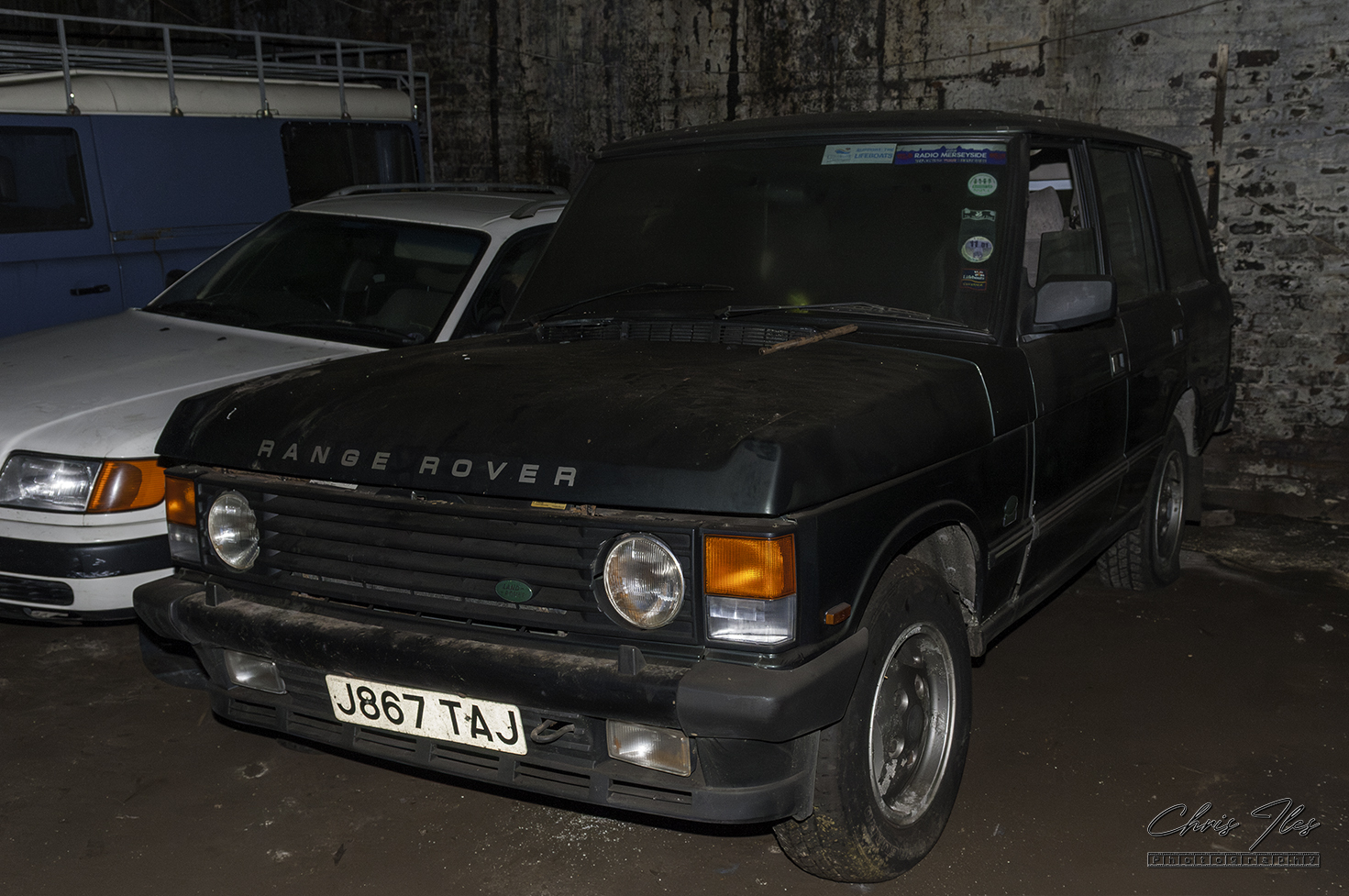
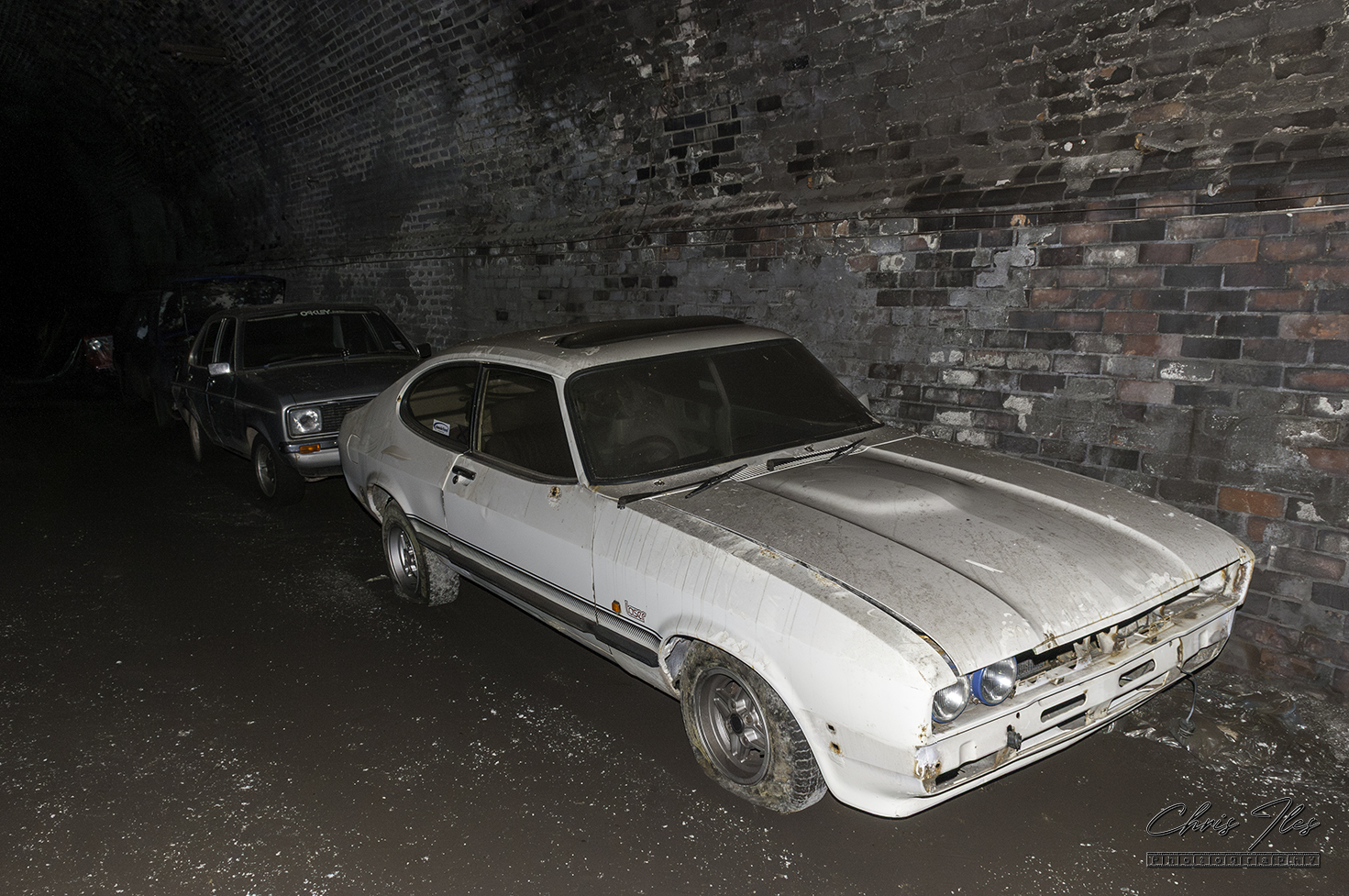
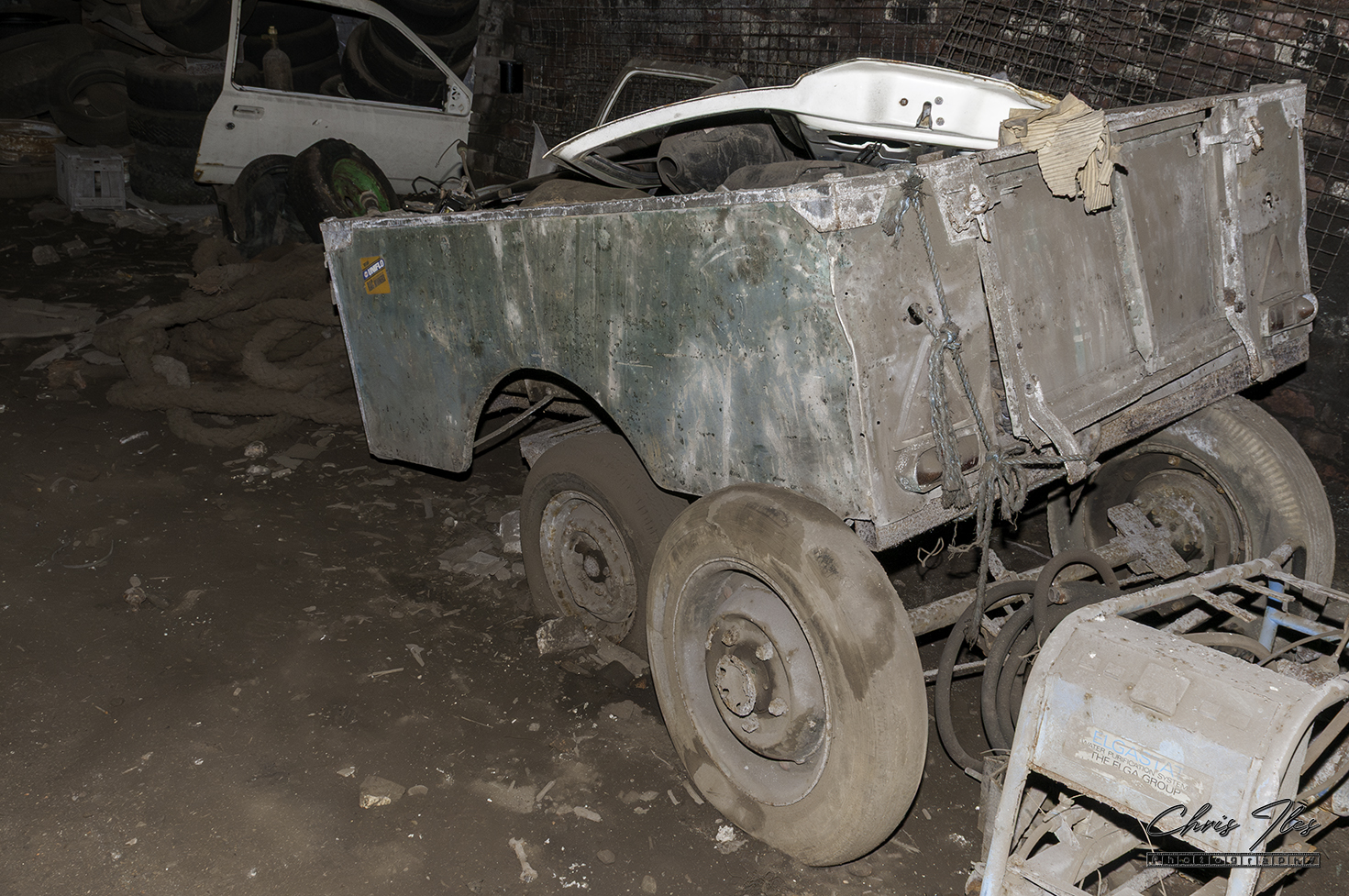
Classic cars, abandoned at Roscoe Engineering by their original owners. Forgotten about for many years in the darkness of the Dingle Tunnel. Many of these potentially saught after restoration projects, have been recovered to hopefully be restored.
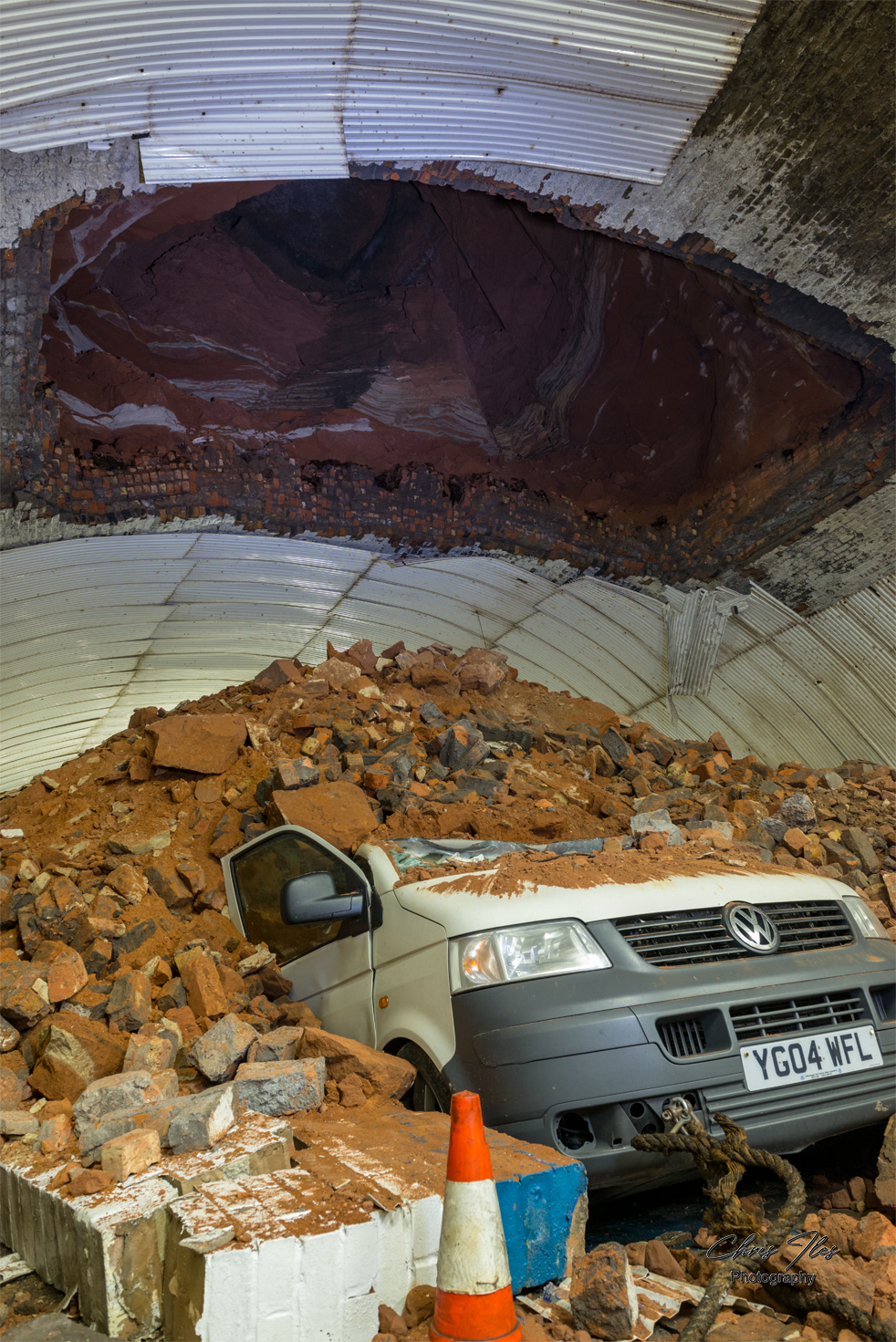
Thankfully, no one was injured that day, given that the garage staff were having their tea break in the tunnel, at the time of the collapse. It was a shock to hear and witness the incredibly loud and unexpected crash as the sandstone bedrock above, gave way, crashing through the brick arch of the tunnel. Amazingly, given the many tonnes of brick and stone that crashed to the floor, there was little or no dust, probably due to damp. A few vehicles were damaged by the collapse, with one van being completely crushed. Sadly, this resulted in many of the local residents living above, being evacuated from their homes as a precaution. The evacuated families were finally allowed to return to their homes in February 2014.

Sadly, the garage never reopened for business. However, the repair of the tunnel did eventually commence in October 2013, meaning that once all repairs had been completed, access into the former LOR Tunnel was still possible.
The following photographs were taken over several years
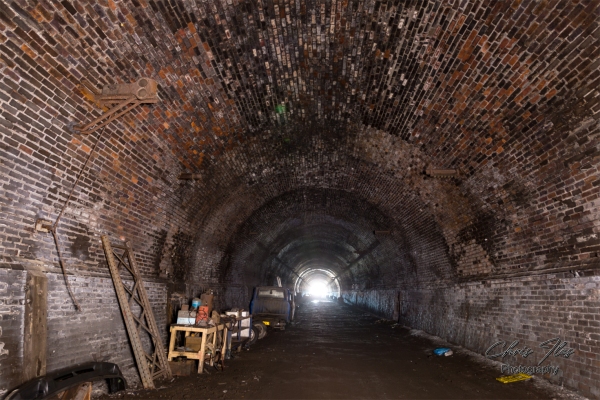
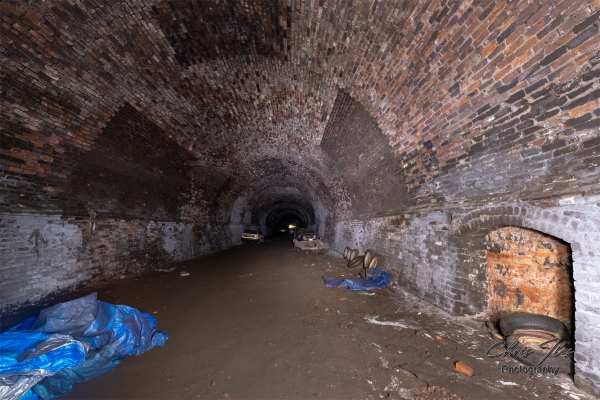
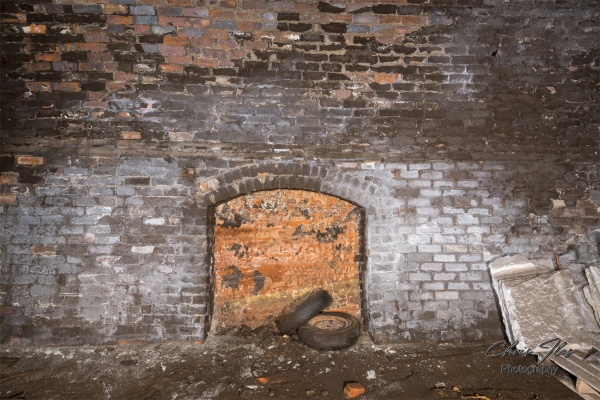
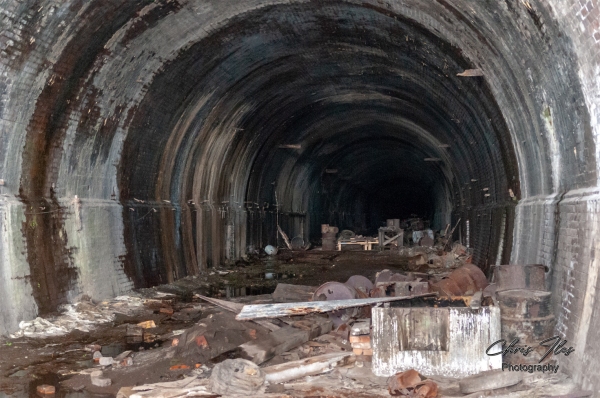
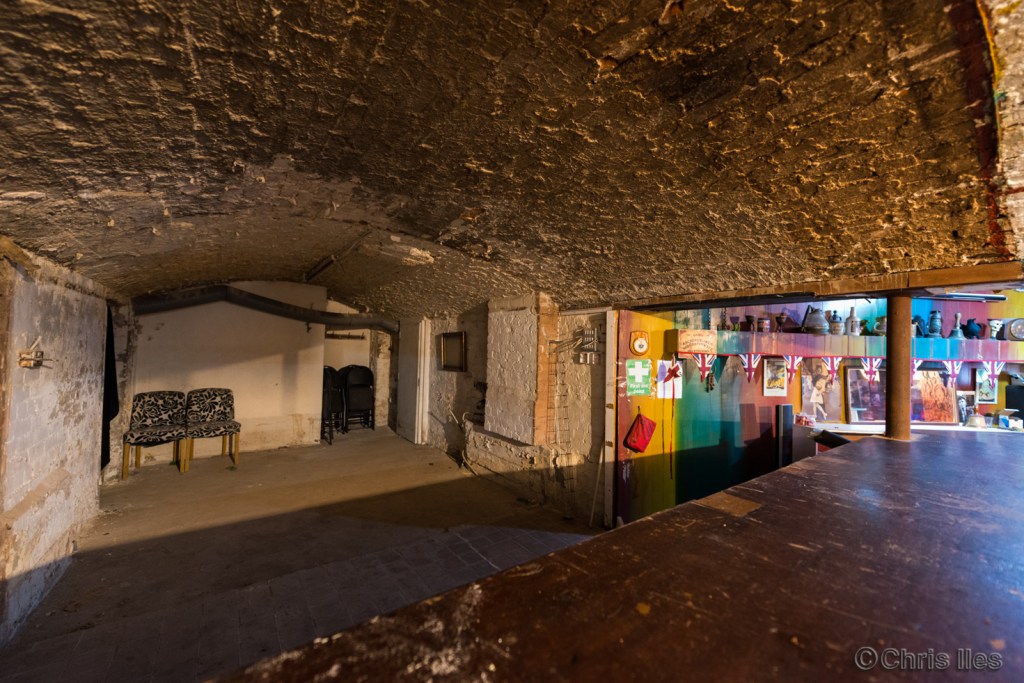
Tunnel, Pre Collapse
Pre Collapse, when ‘Roscoe Engineering’, used the former Dingle Station and Tunnel for the location of its car maintenance garage.






Days after the Collapse | Completed Repairs
Tunnel, Days after the collapse
I was invited to photograph the resulting catastrophic collapse and destruction of the tunnel, soon after the collapse happened.


Pre Collapse | Completed Repairs
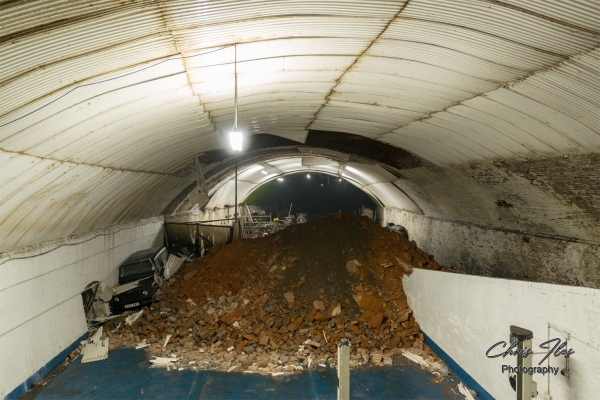
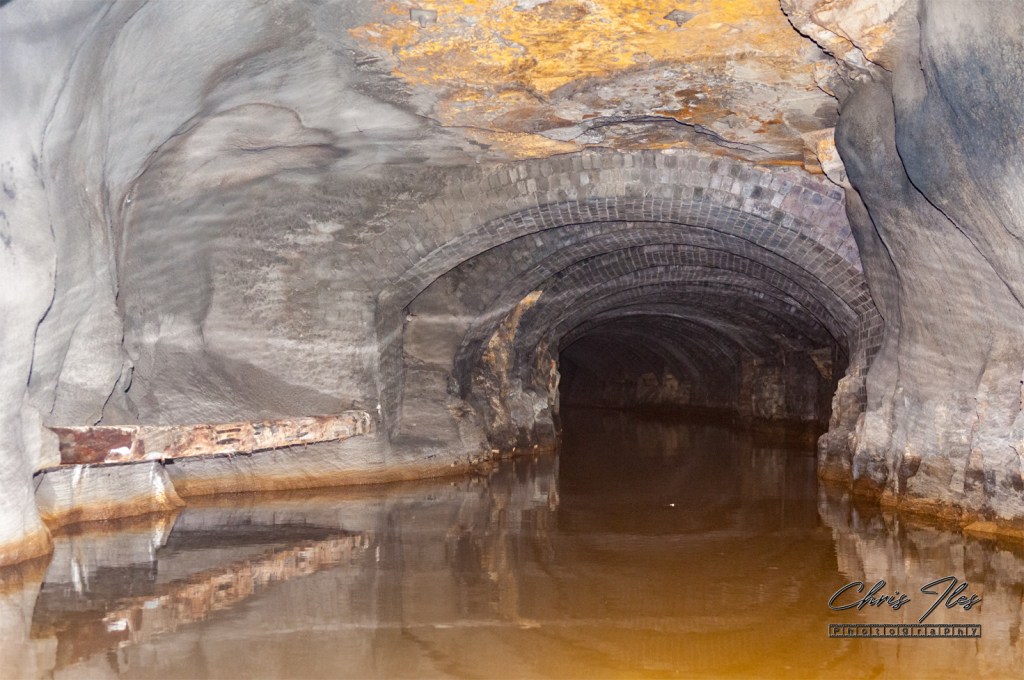
Tunnel, Following Completion of repairs
Once the Tunnel repairs had been completed, I was once again invited to photograph the repair, showing how the tunnel looks now.


Pre Collapse | Days after the Collapse
Maps showing the former Liverpool Overhead Railway and Docks of Liverpool
Open maps to view in greater detail.
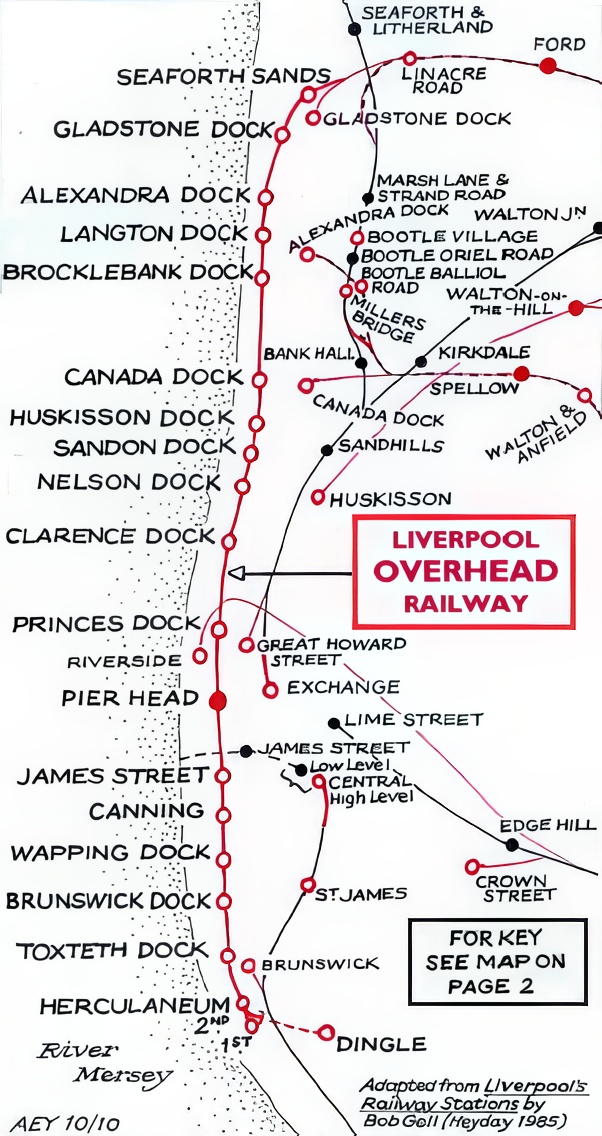


A set of different maps showing route of the OHR. The original, ‘Liverpool Overhead Railway’, Descriptive Map and Guide of the Railway and Docks, I purchased for my collection. This Map and Guide originally cost One Penny and is marked, No: 18371. This scan shows both the map and guide on either side.
Also a ‘Kelly’s Directories’, ‘Map of Liverpool, Bootle and Suburbs 1903’, shows the Railways and stations throughout Liverpool at this time that I also purchased.
Click the maps, to view in more detail.
Media Coverage
The amazing pictures taken down the years at Dingle Overhead Railway tunnel – Liverpool Echo
Random Image Galleries
Random Galleries, updated on each page refresh.




 Chris Iles - Photography | chrisiles.co.uk
Leave a reply to chrisiles Cancel reply