
Star of Hope | Atlantic
In addition to the Ancient Footprints on the beach near Formby, more history can occasionally be found a little further along the coast near Ainsdale. Two of the many shipwrecks that have foundered on the Sefton Coast, occasionally becoming visible with the shifting sand. I booked on a guided walk to view the ‘Star of Hope’ and the ‘Atlantic’, as the constantly shifting sand had briefly uncovered their skeletons, which normally sit submerged for long periods of time.
The Two Shipwrecks
Star of Hope
The Star of Hope, a 36m, three mast barque sailing ship, built in Germany in 1865. She was sailing from North Carolina, USA to Liverpool with a cargo of cotton. When on the 20th January 1883, and virtualy within sight of her destination, she was caught in a severe Force 10 gale in Liverpool Bay. The gale forced her onto a sandbank off Ainsdale, thankfully all of her crew managed to survive after finding refuge on the Crosby lightship. The well-preserved remnants of the wreck occasionally reappear as the sand constantly shifts with the tides and wind.
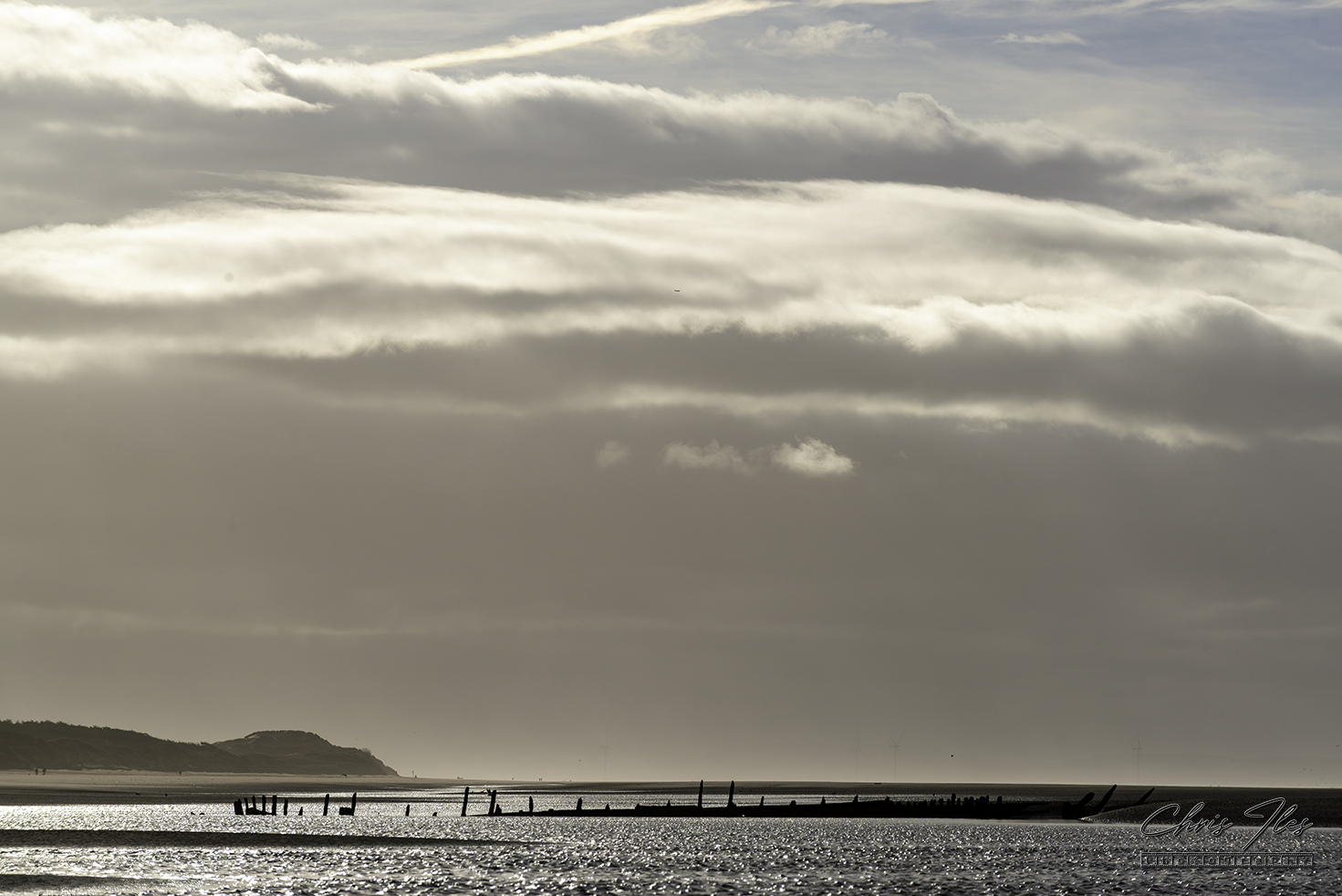
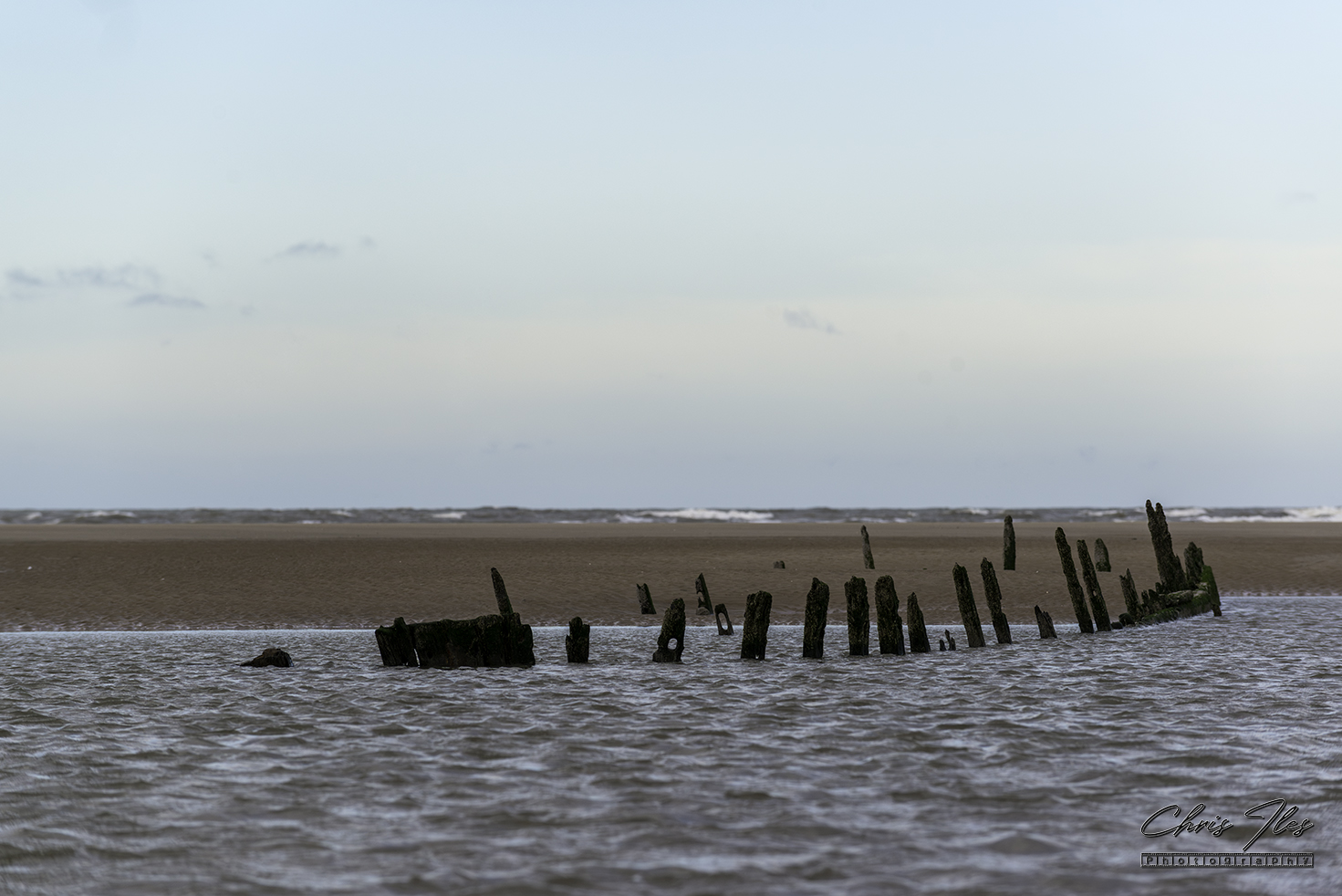
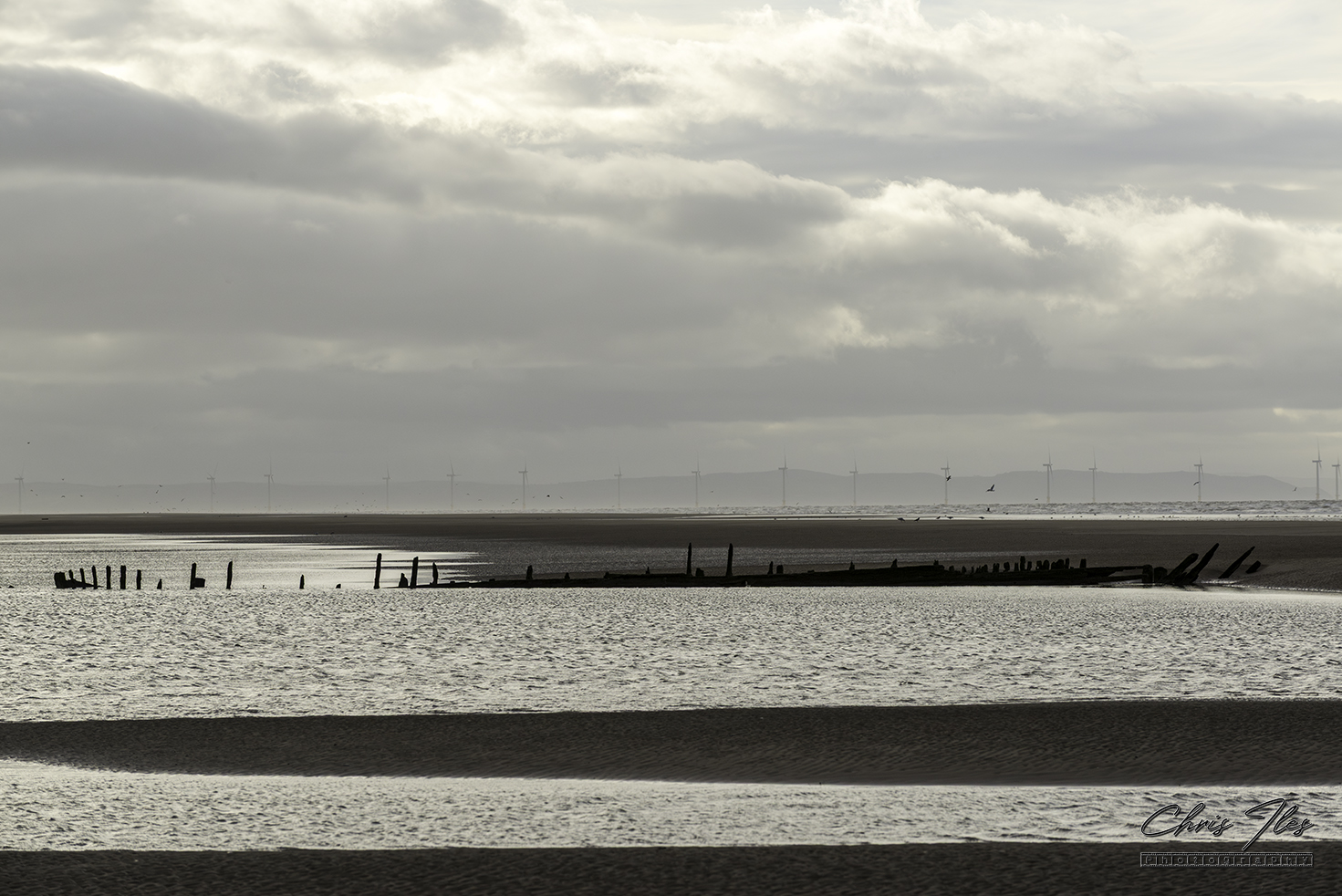

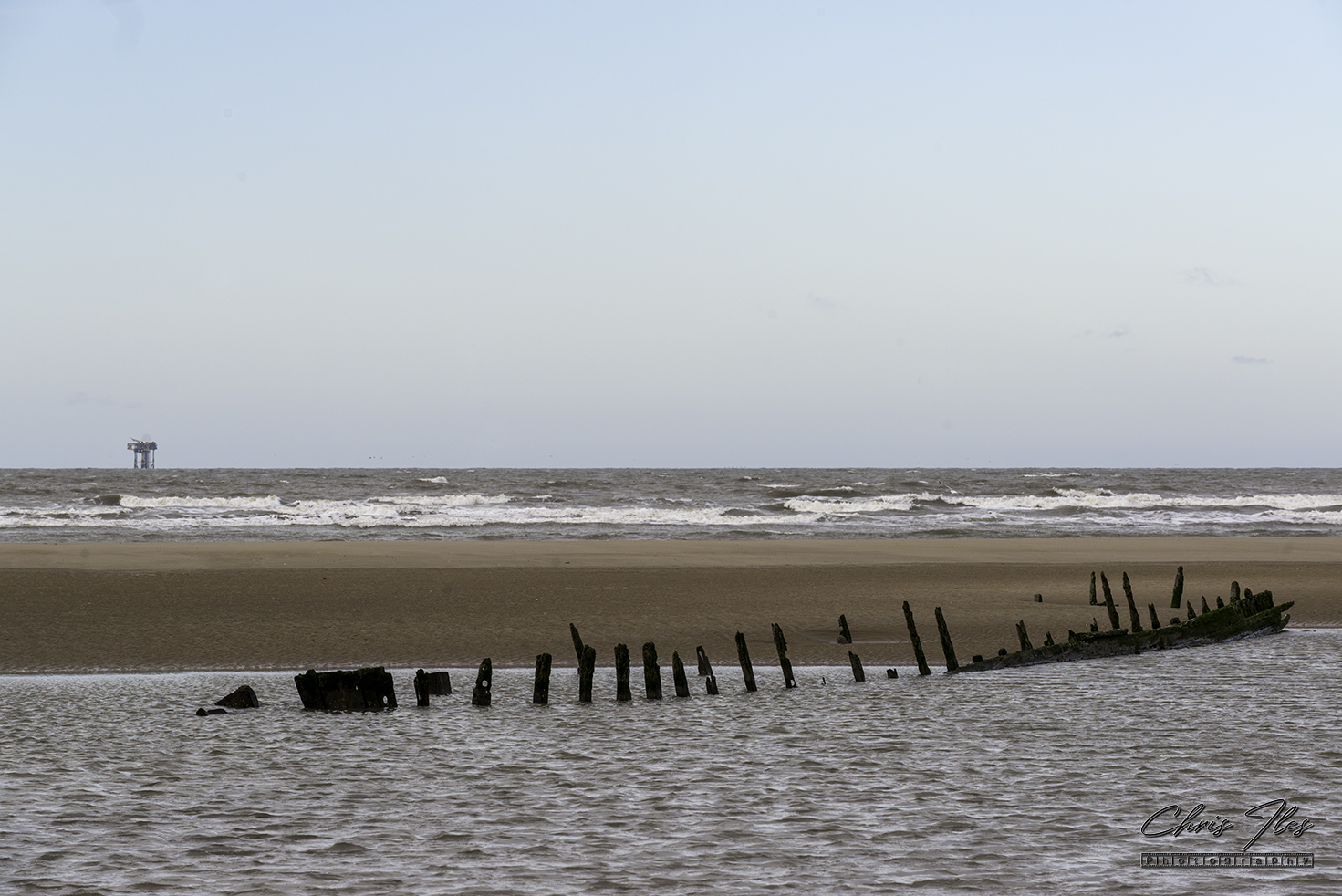
The Star of hope, protruding from the sand. Sadly, she wasn’t as well uncovered on this occasion as she has been in the past.
The Atlantic
The slightly larger Atlantic, a 423ton barque Sailing Ship, built in Norway in 1866. Atlantic set sail from Liverpool to the Americas with her cargo of salt. She also became a victim of the severe gales in Liverpool bay on 27th January 1883, running aground on a sandbank, around 300yrds from the wrecked Star of Hope. The Atlantic was also a total loss, though thankfully, her crew also managed to survive. The ship, was not recoverable, her resting location became unknown for many years, until finally a large section of her hull was found in the late 1980s.
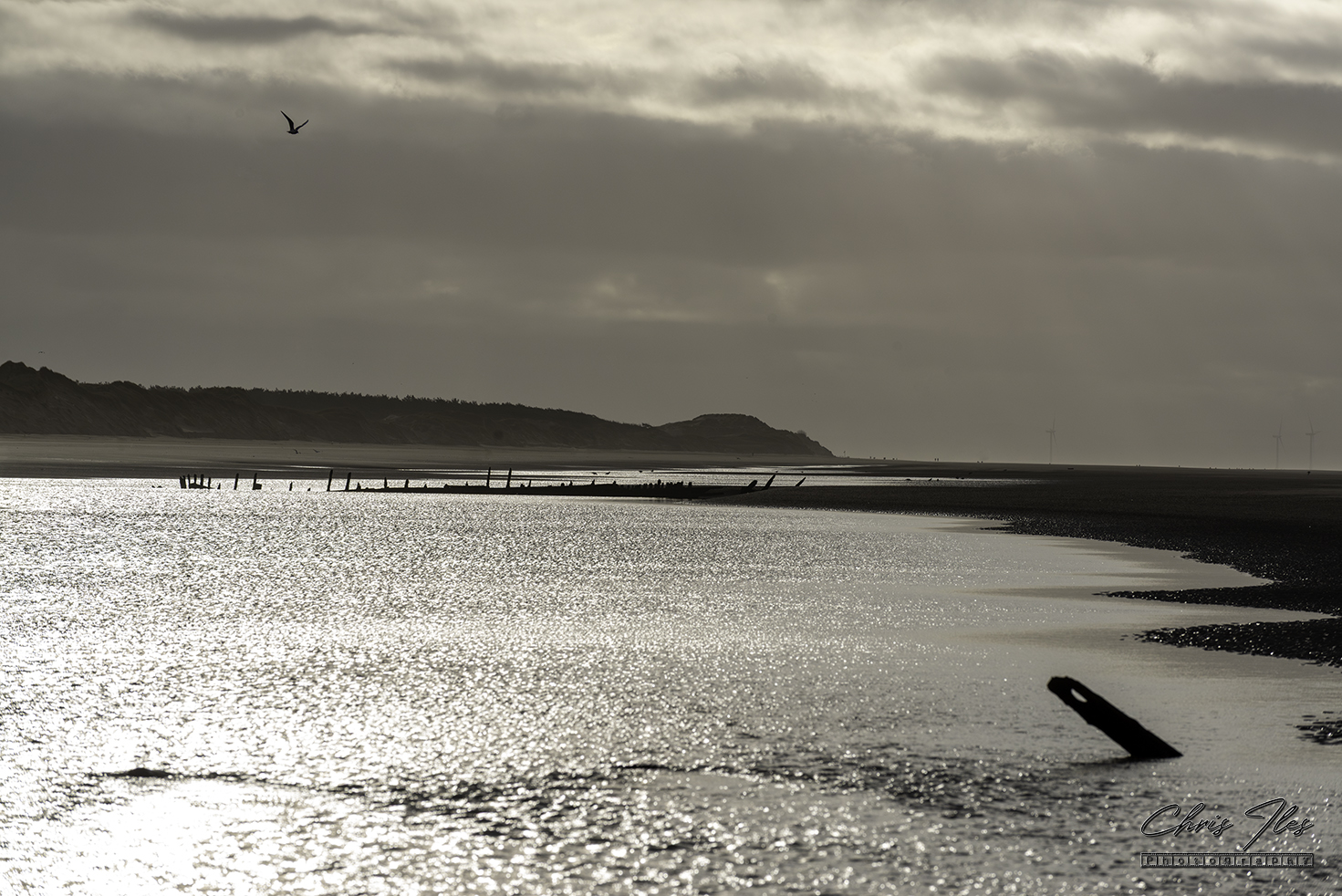
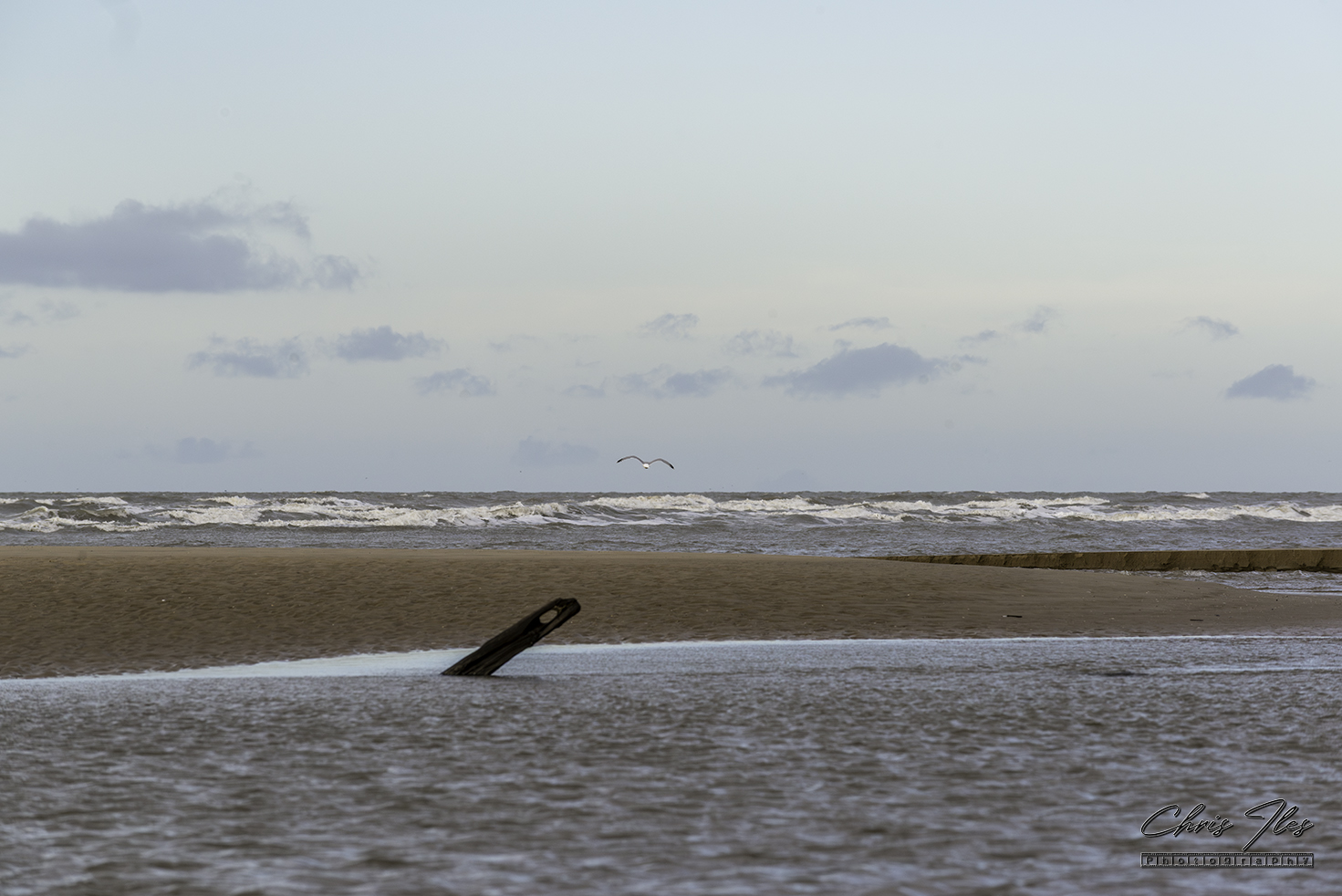
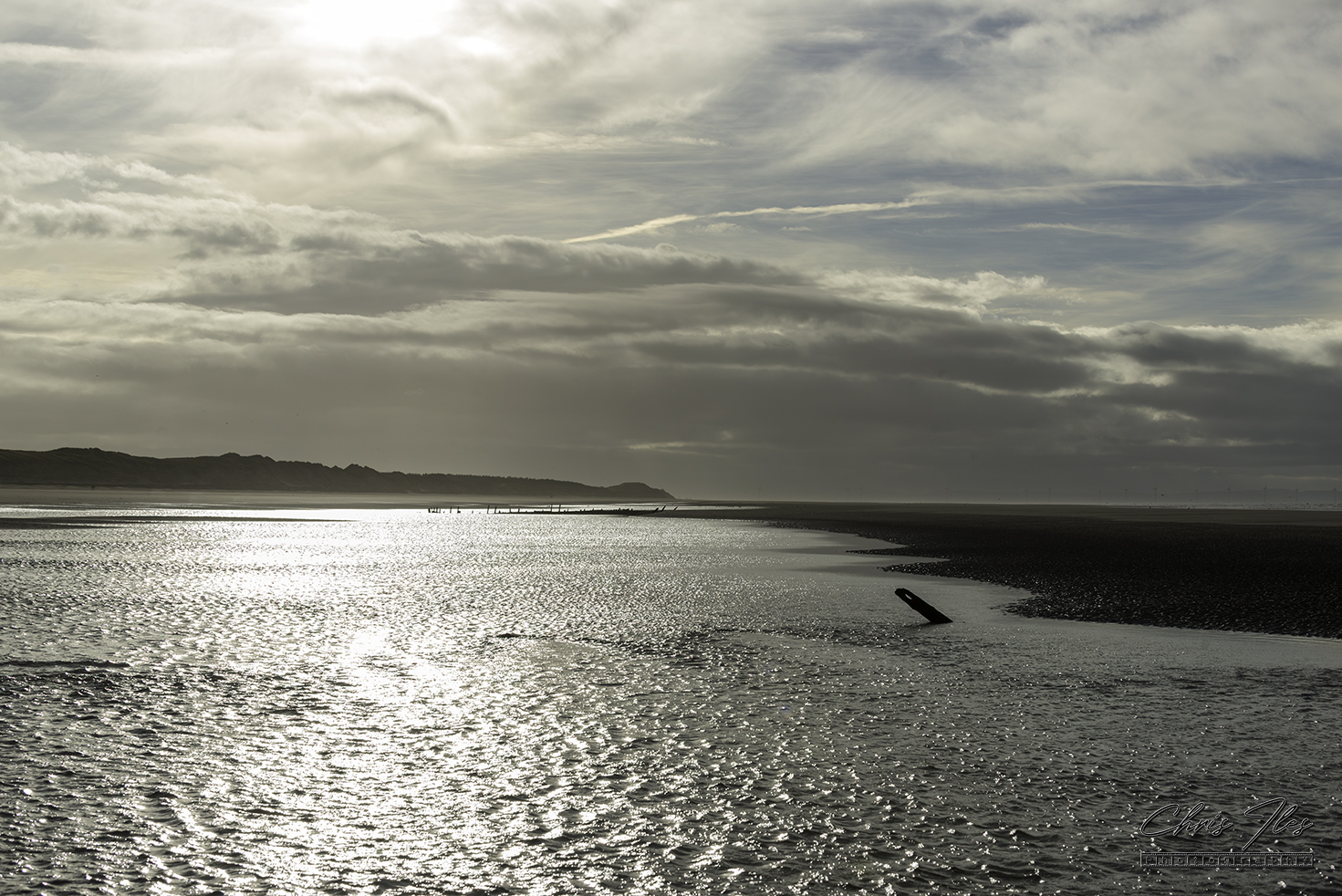
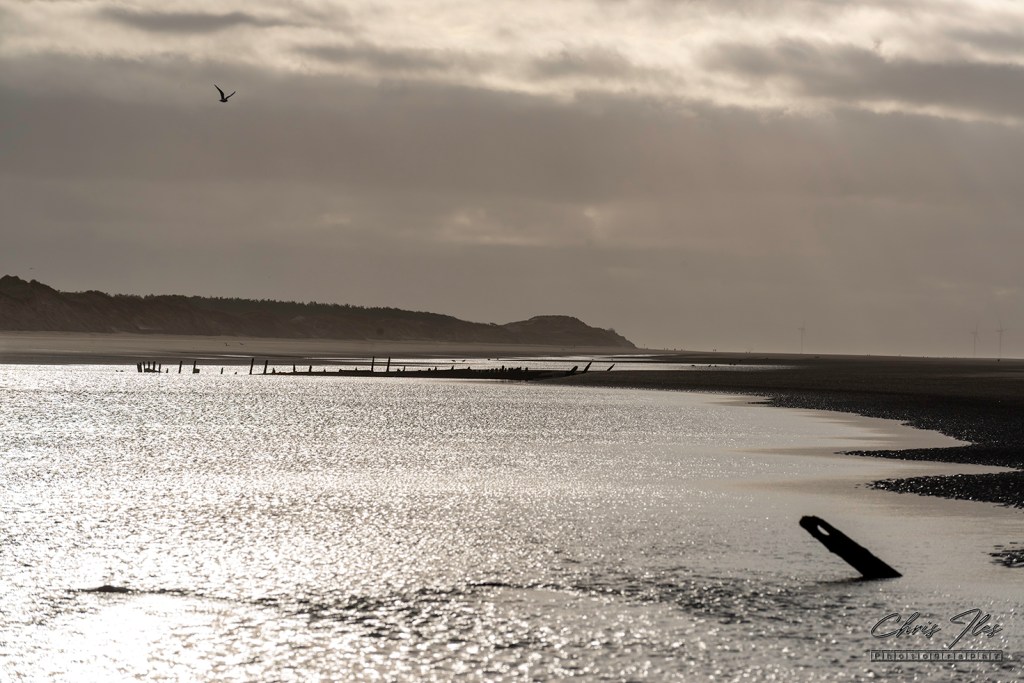
Sadly, when I visited, not much of the Atlantic was visible. However, this protruding piece of timber is part of the Atlantic. The Star of Hope can be seen in the background on the main image, showing just how close the two wrecks are from each other.
I have to recommend not walking out to find these wrecks by yourself. If you would like to see any of the wrecks on the Sefton coast, it is far safer to do so by joining a guided walk or tour. You need to have a good knowledge of not only their location, but also the weather, tides and channels, which can change remarkably quickly.
Random Image Galleries
Random Galleries, updated on each page refresh.



 Chris Iles - Photography | chrisiles.co.uk
Leave a comment