
Wapping Cutting | Wapping Tunnel | 1829 Crown Street Tunnel | 1846 Crown Street Tunnel | Crown Street Station/Park | Wapping Crows Foot | Maps
I have been lucky to have visited this astonishing place many times over the years. During my early railway career, I regularly worked coal and mixed freight trains, to and from Liverpool docks, via the Wapping cutting to run around (reverse) the trains. As well as working engineering (ballast) trains in and out of the connected sidings.
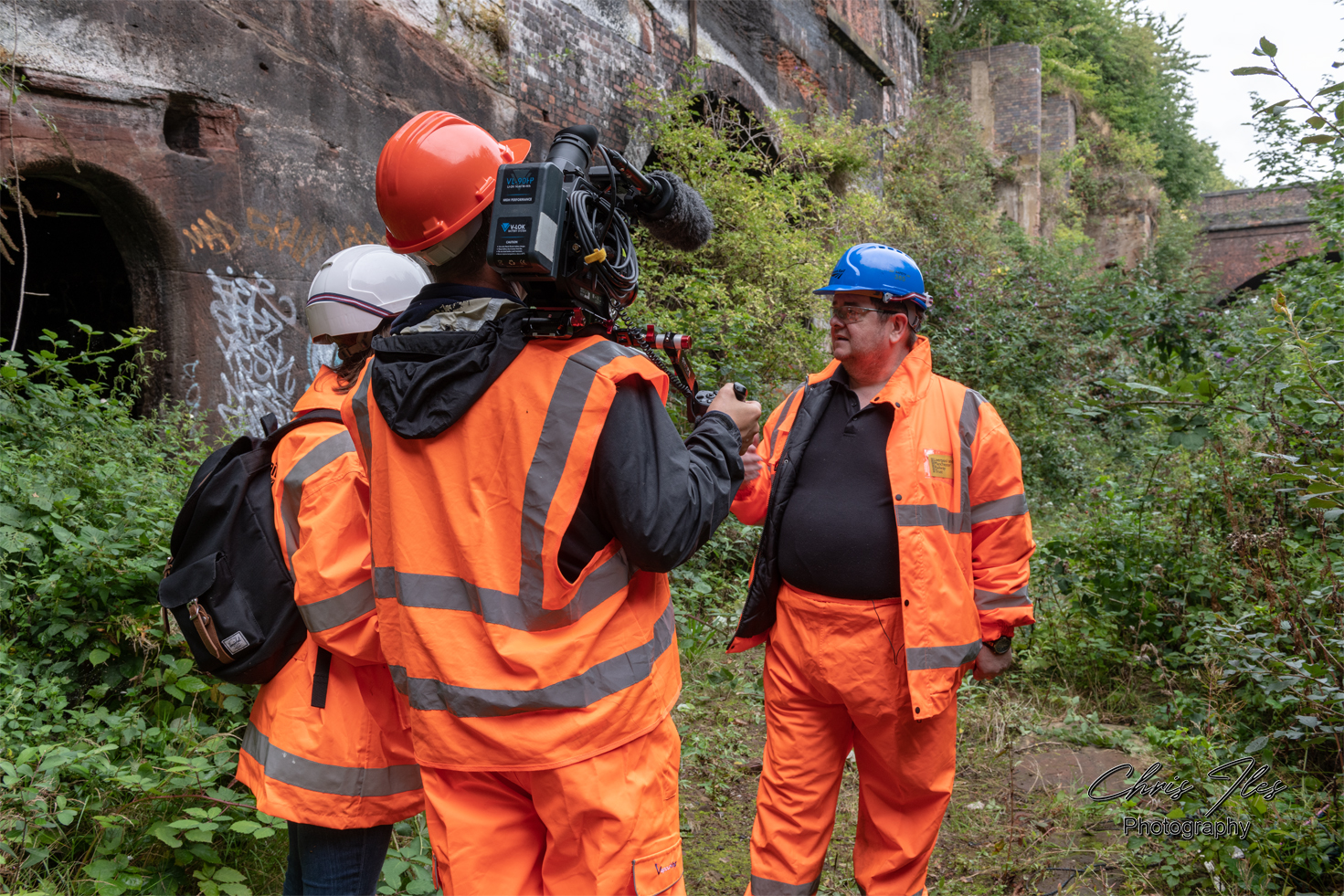
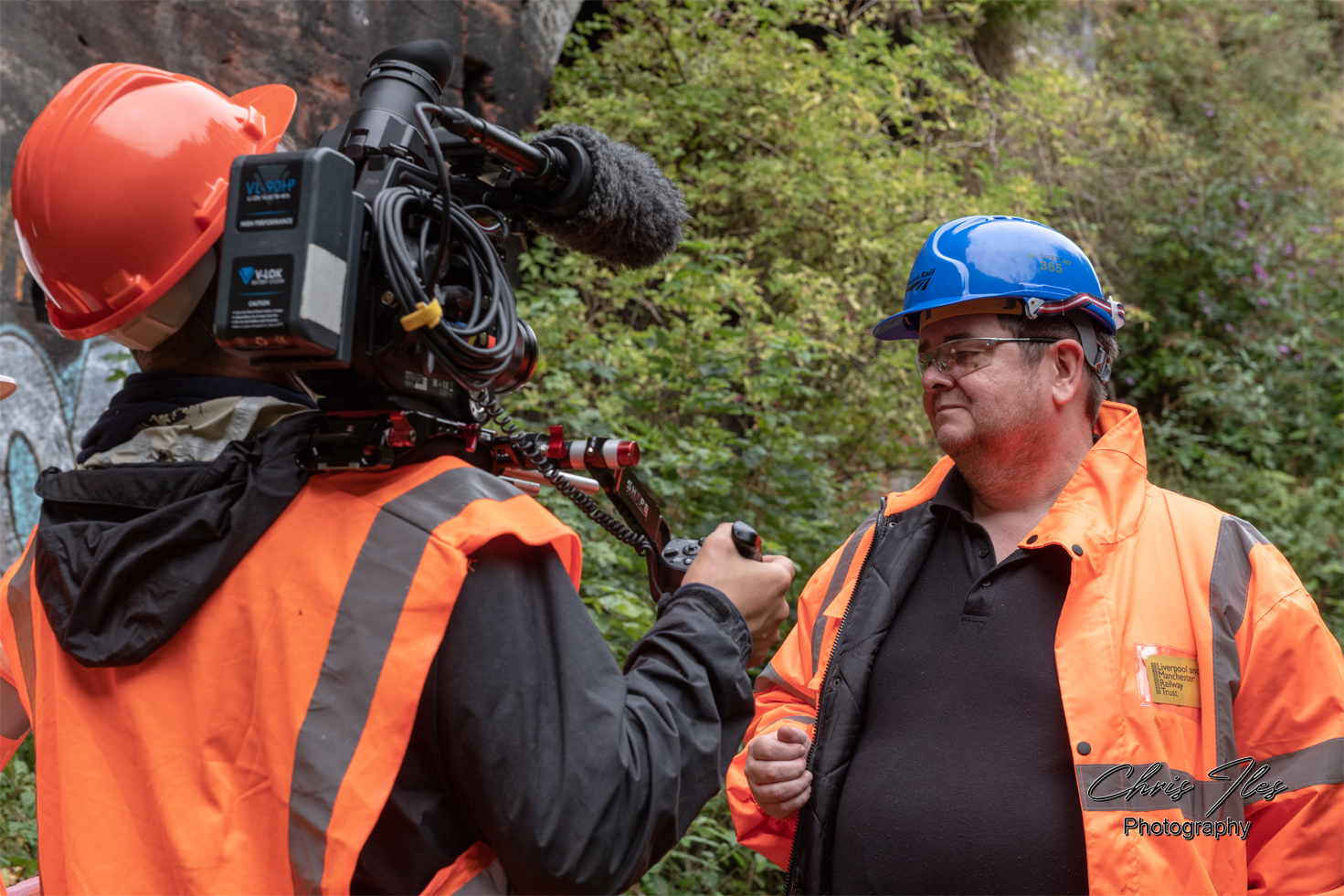
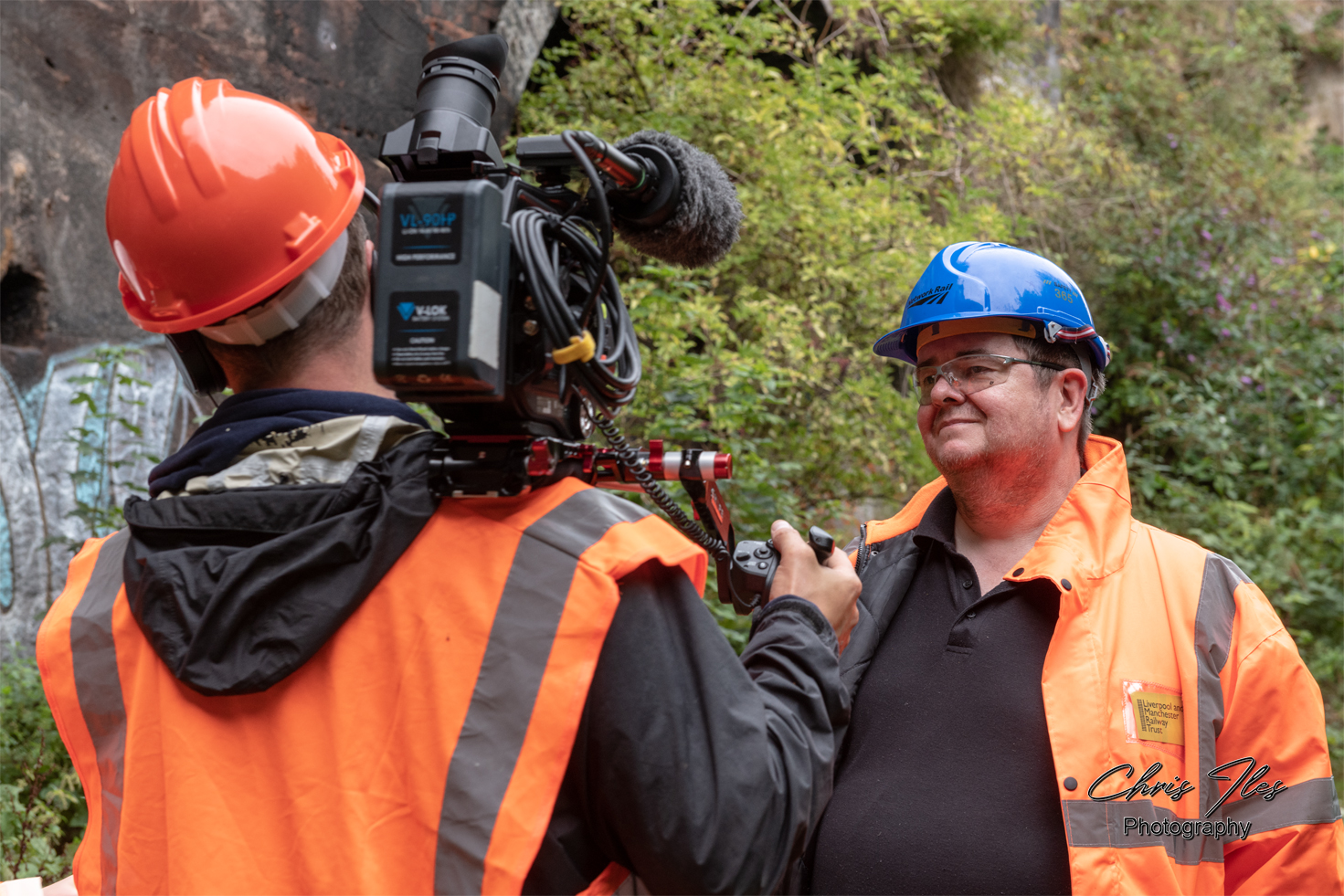
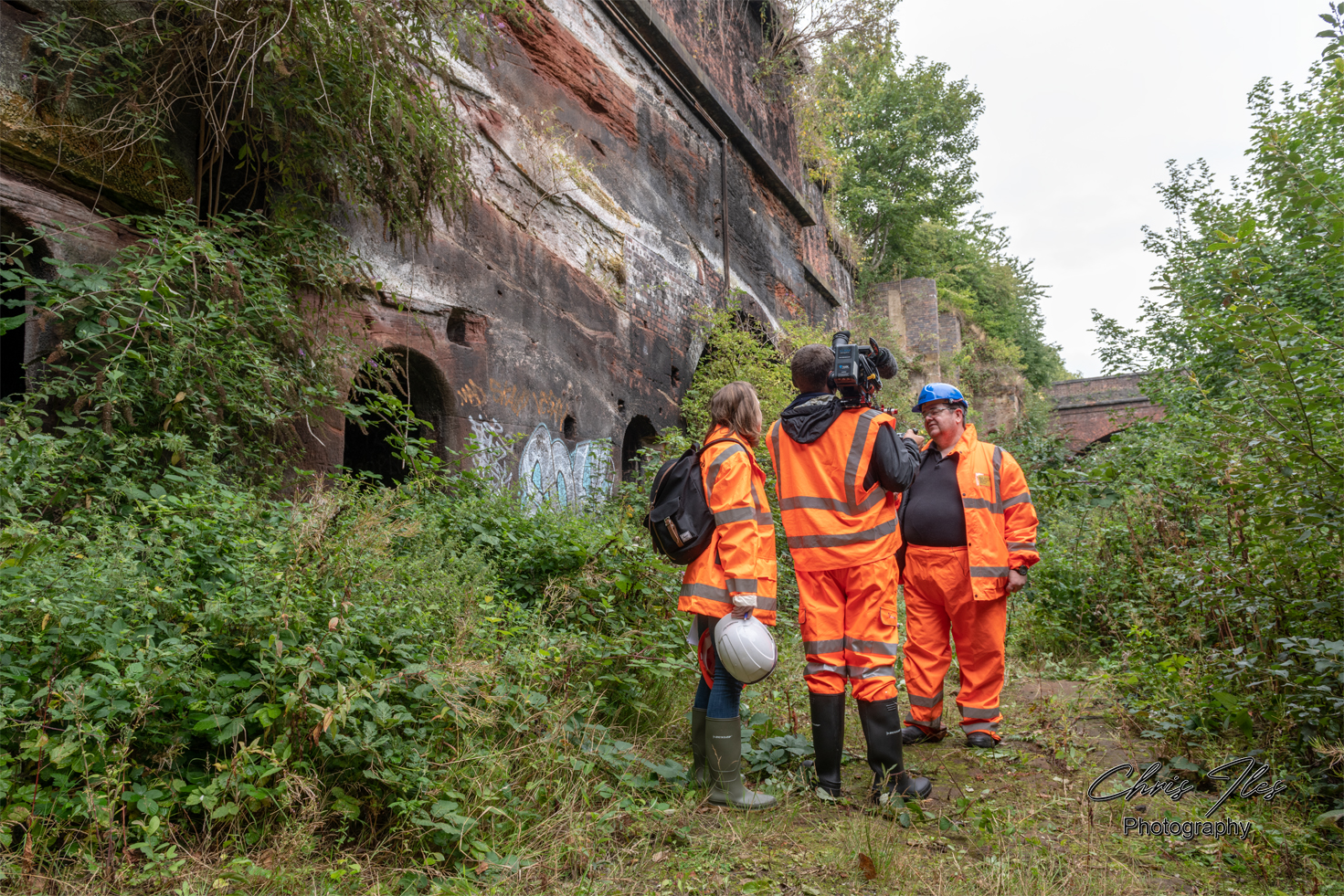
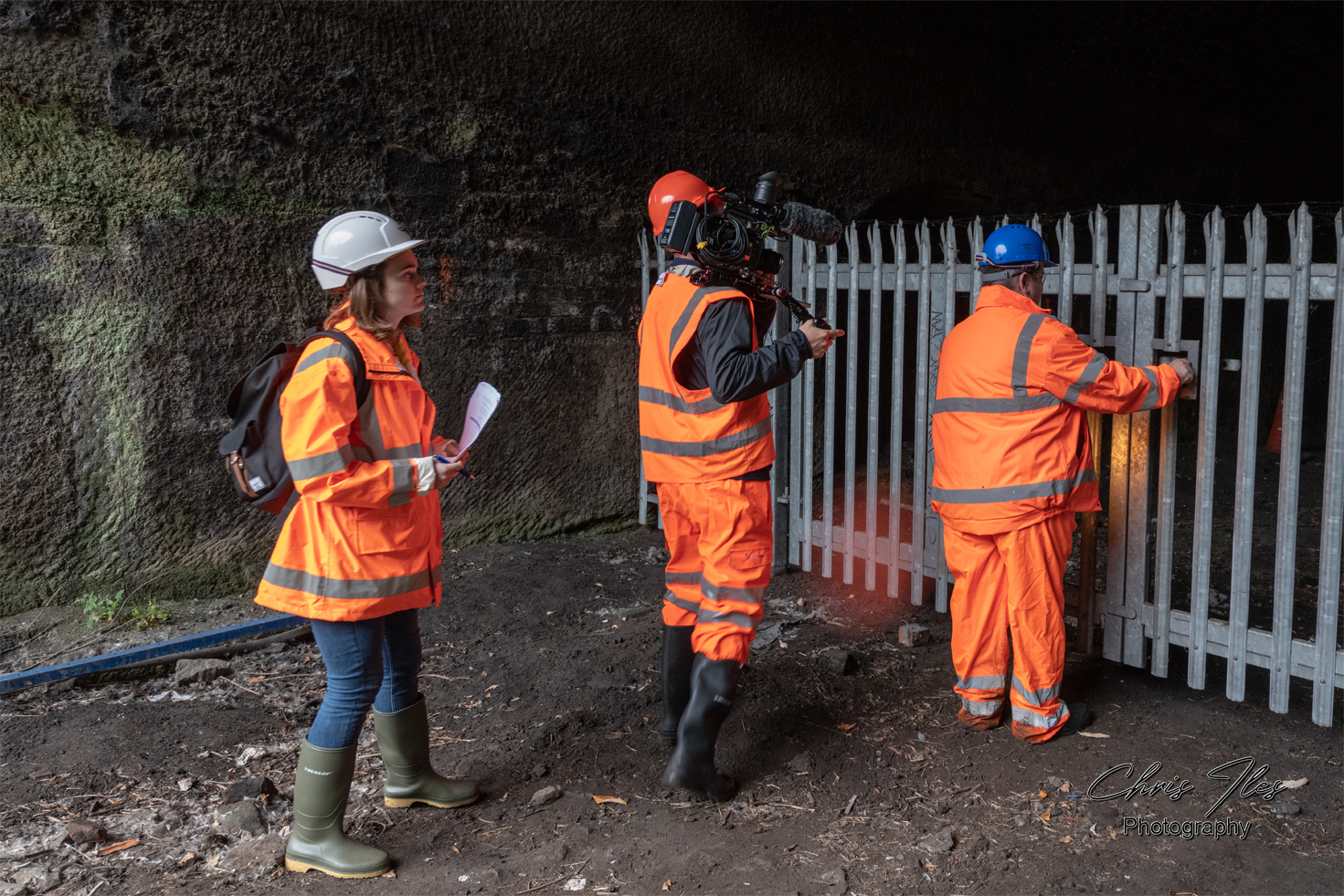
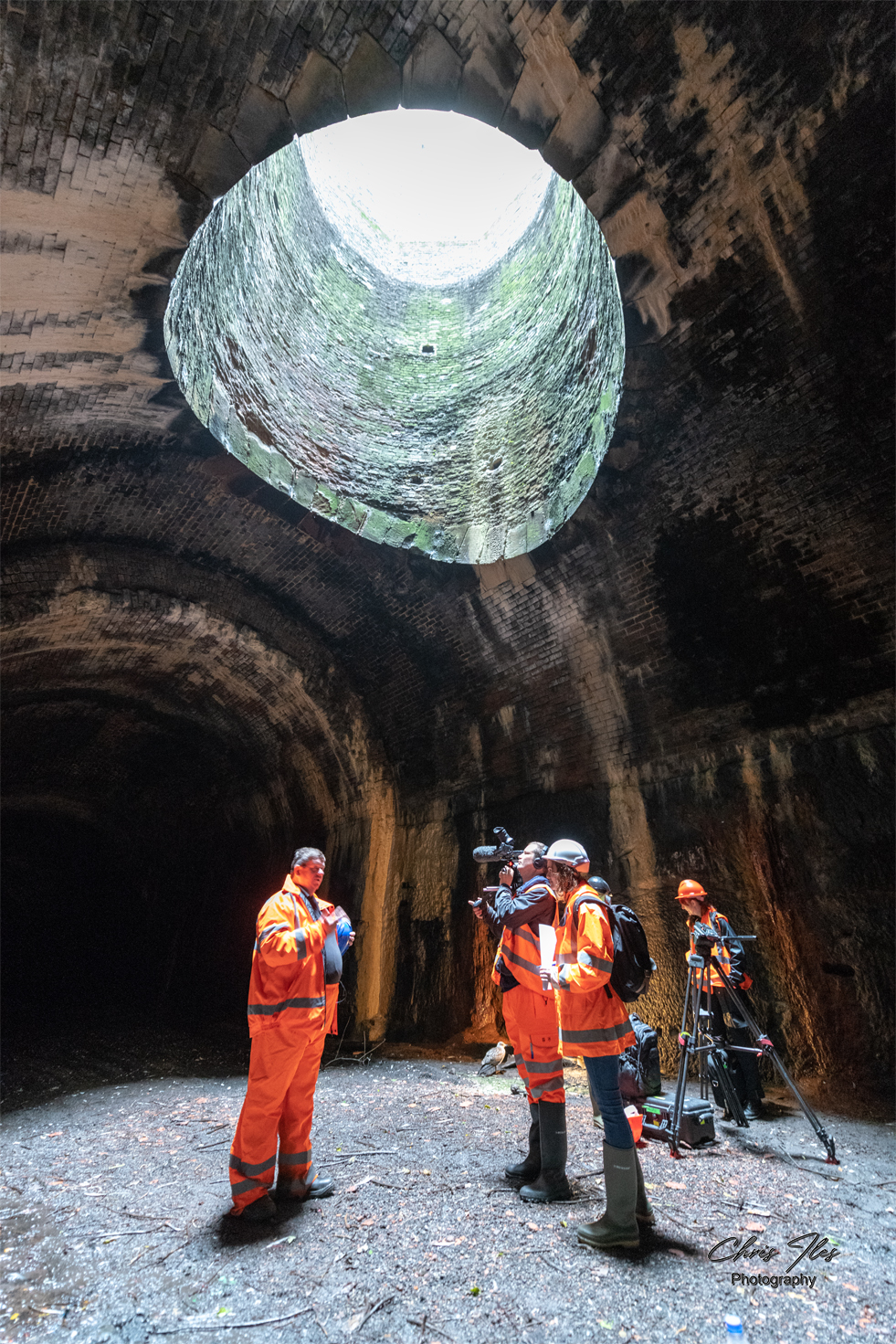
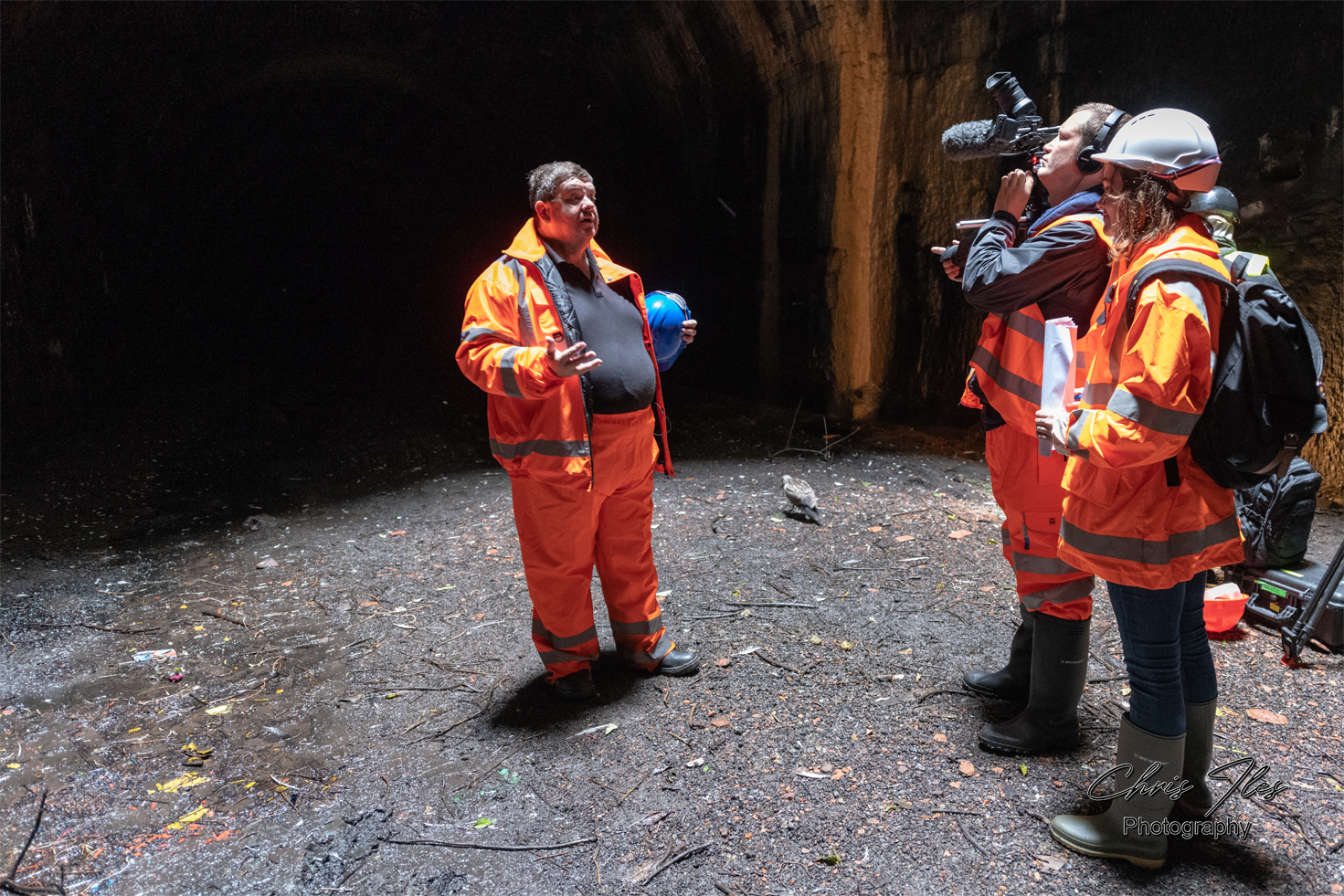
Several years later, I had the opportunity for my first official visit into this historic cutting on foot, allowing me to explore and photograph this incredibly important site in greater detail. Later, I was able to organise visits into the Wapping Cutting, Wapping Tunnel and Crown Street Tunnel for several different organisations. Even on one occasion, assisting a TV company to organise their access into the Cutting and Tunnels to film episode 5 of the TV series, “Secrets of the Railways” for the Yesterday Channel.
So what is the Wapping Cutting?
Wapping Cutting or Edge Hill Engine Station
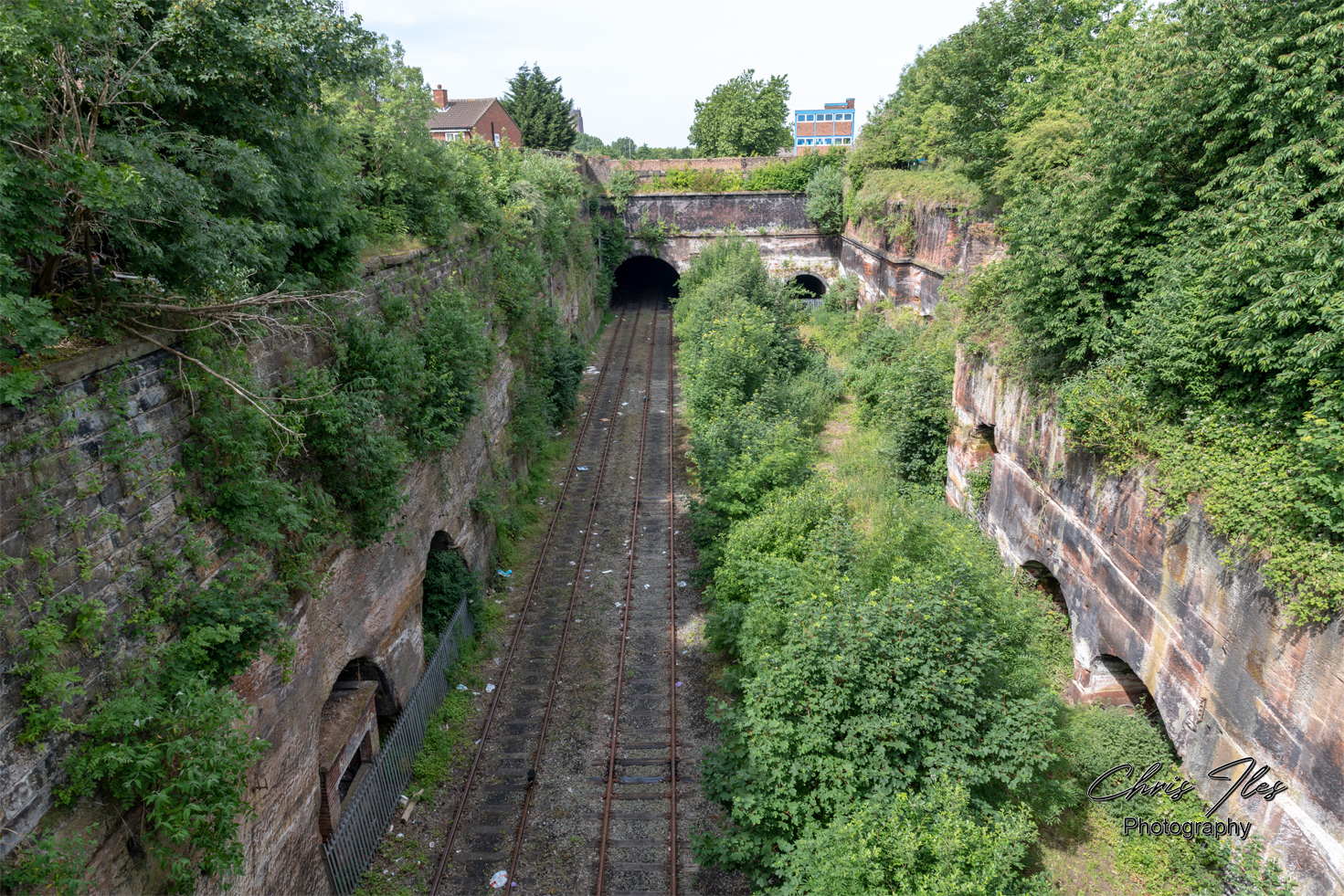
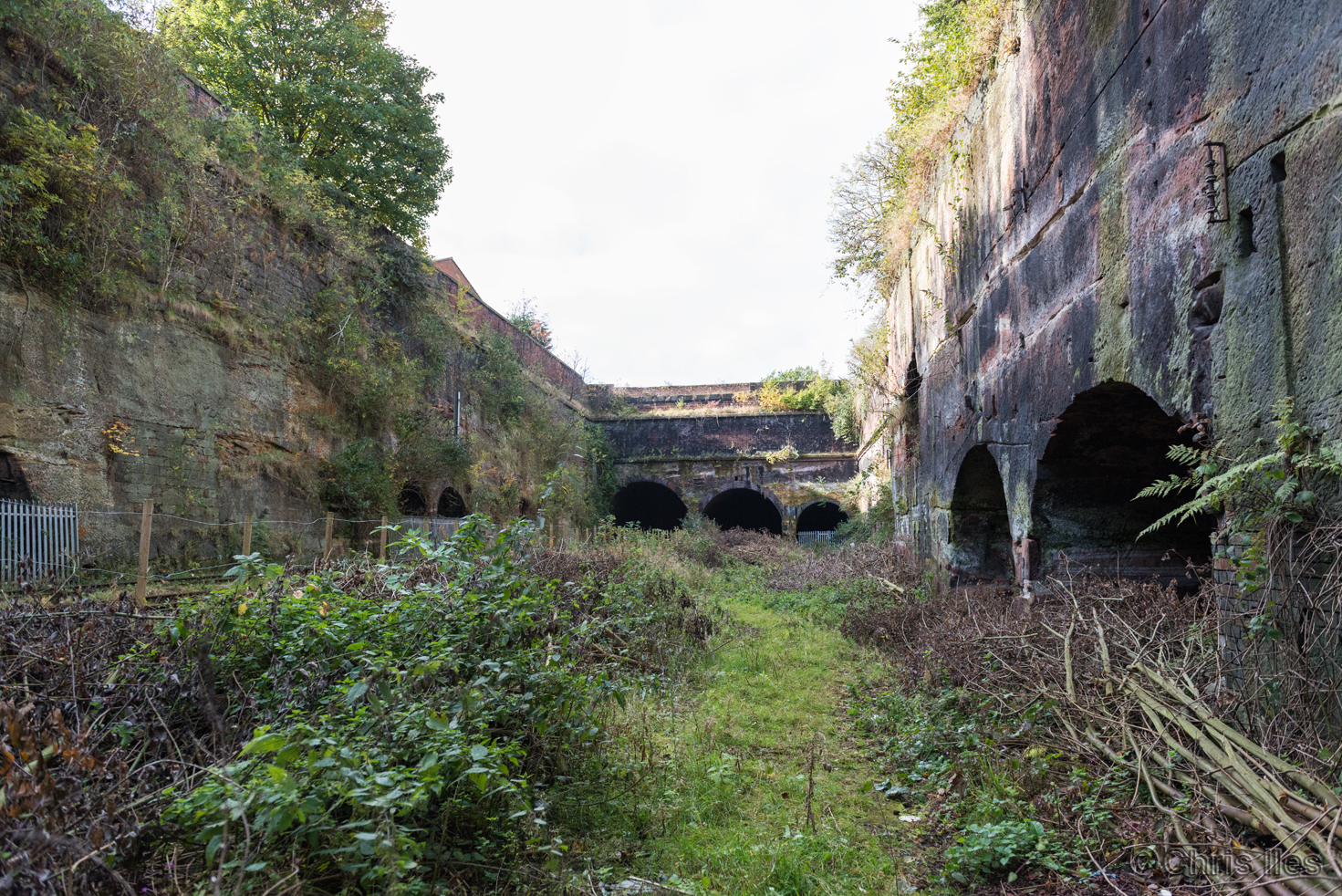
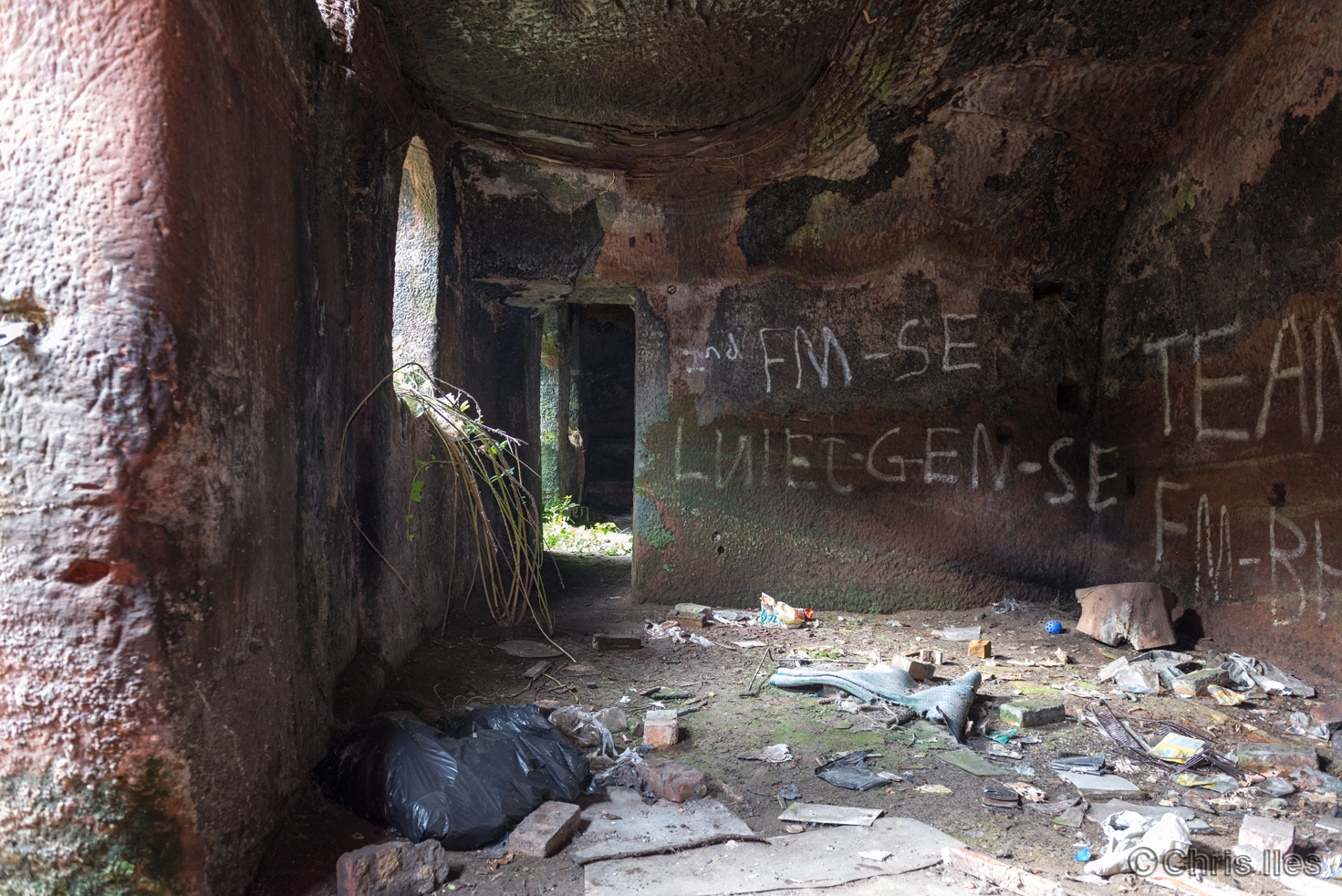
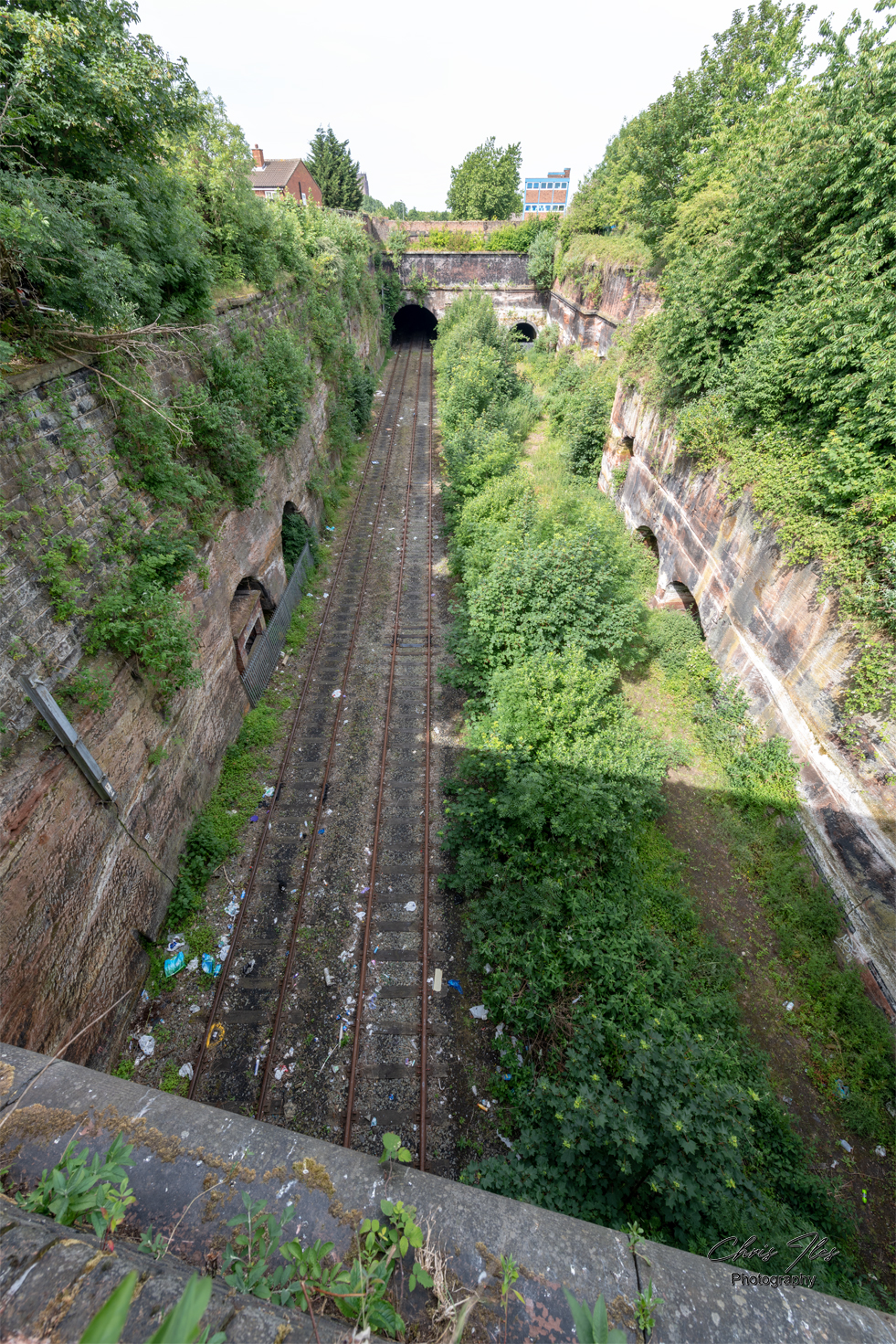
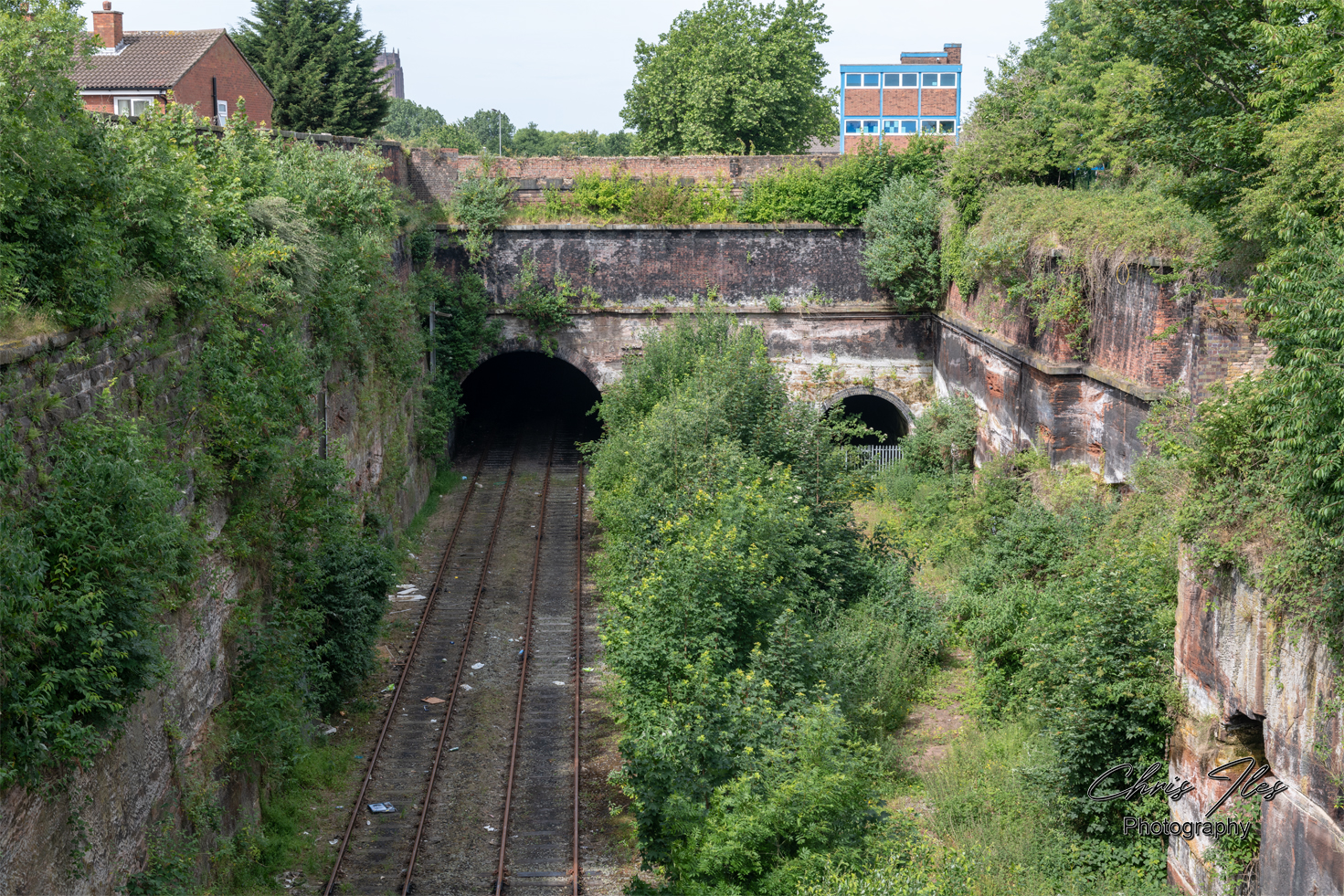
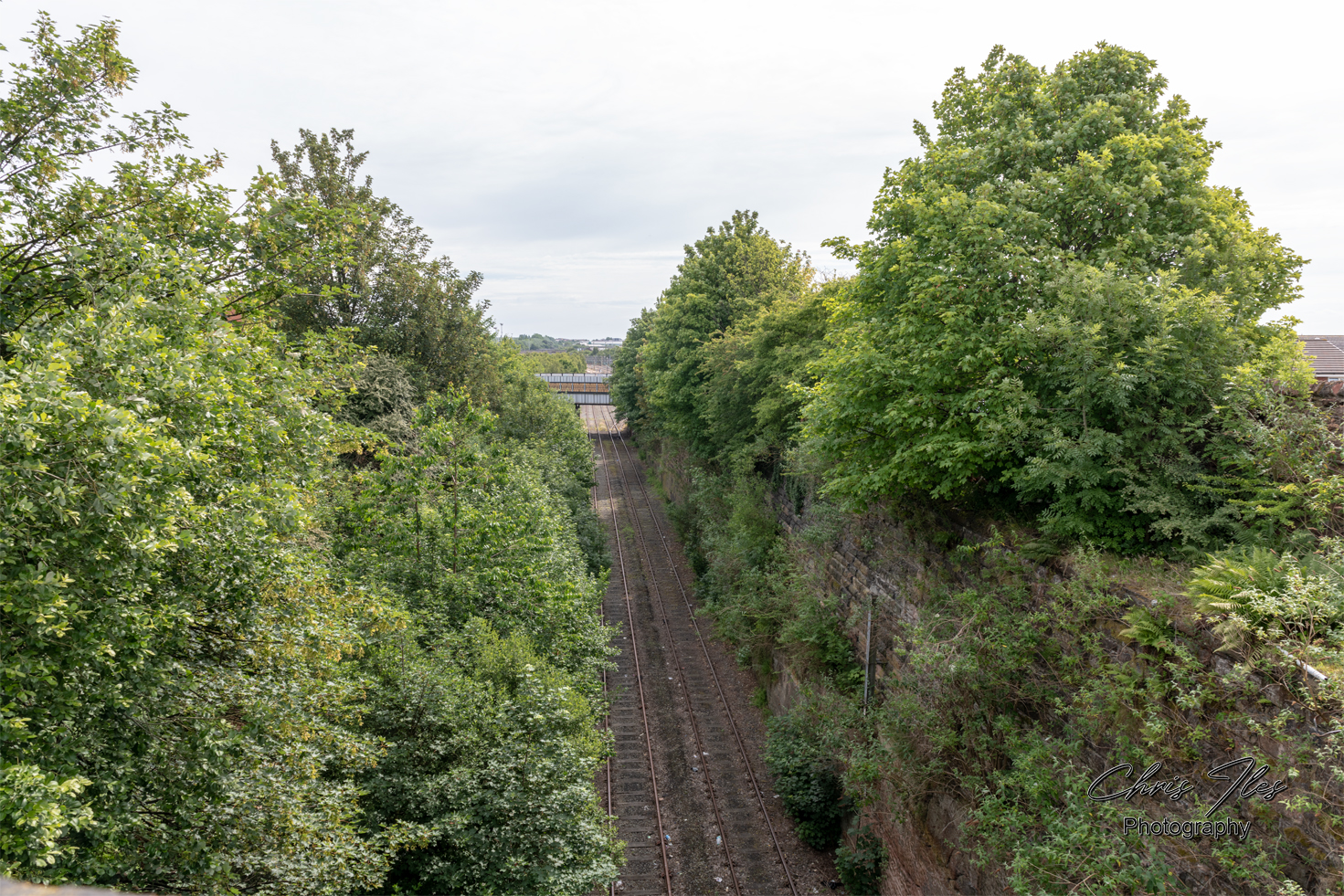
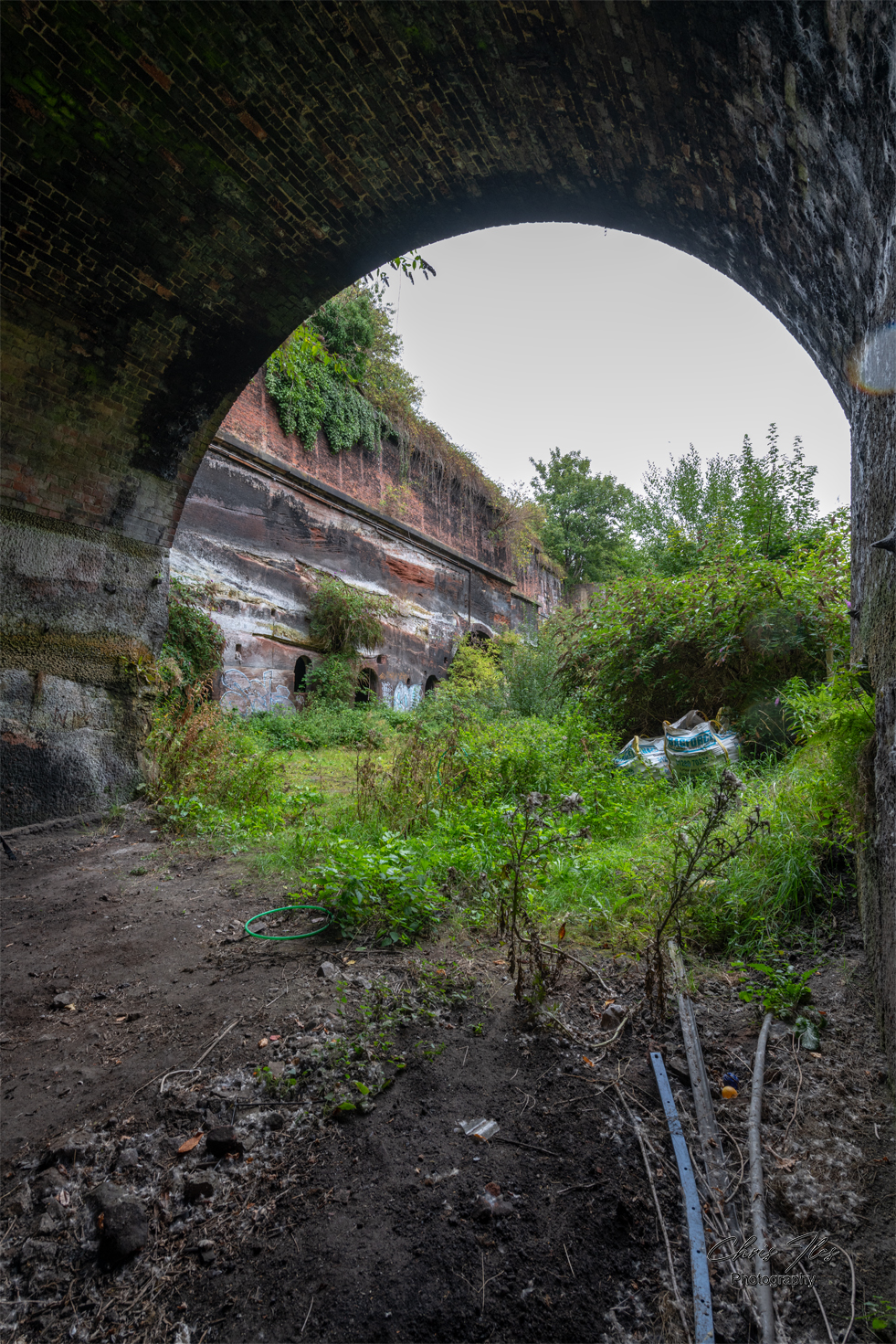
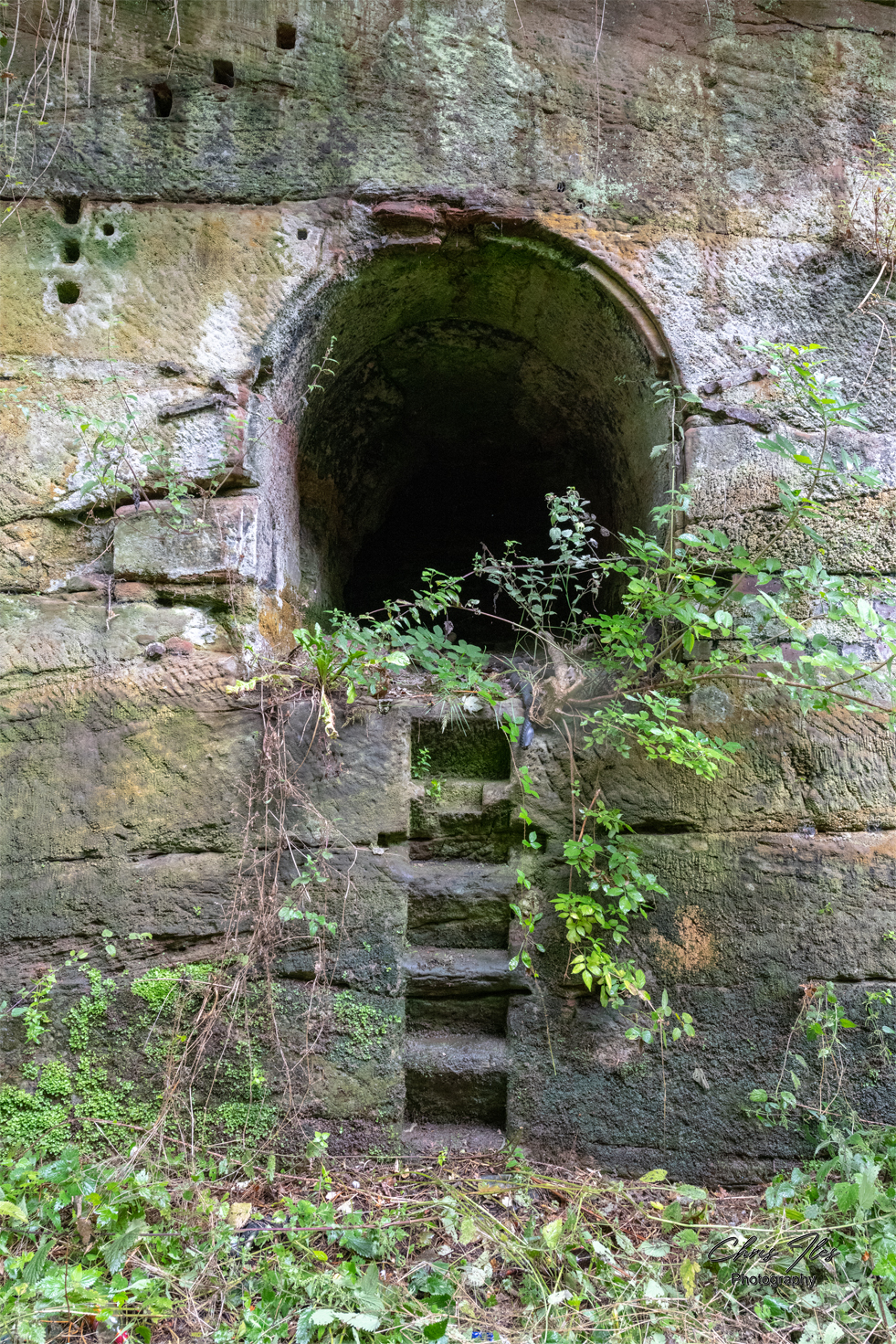
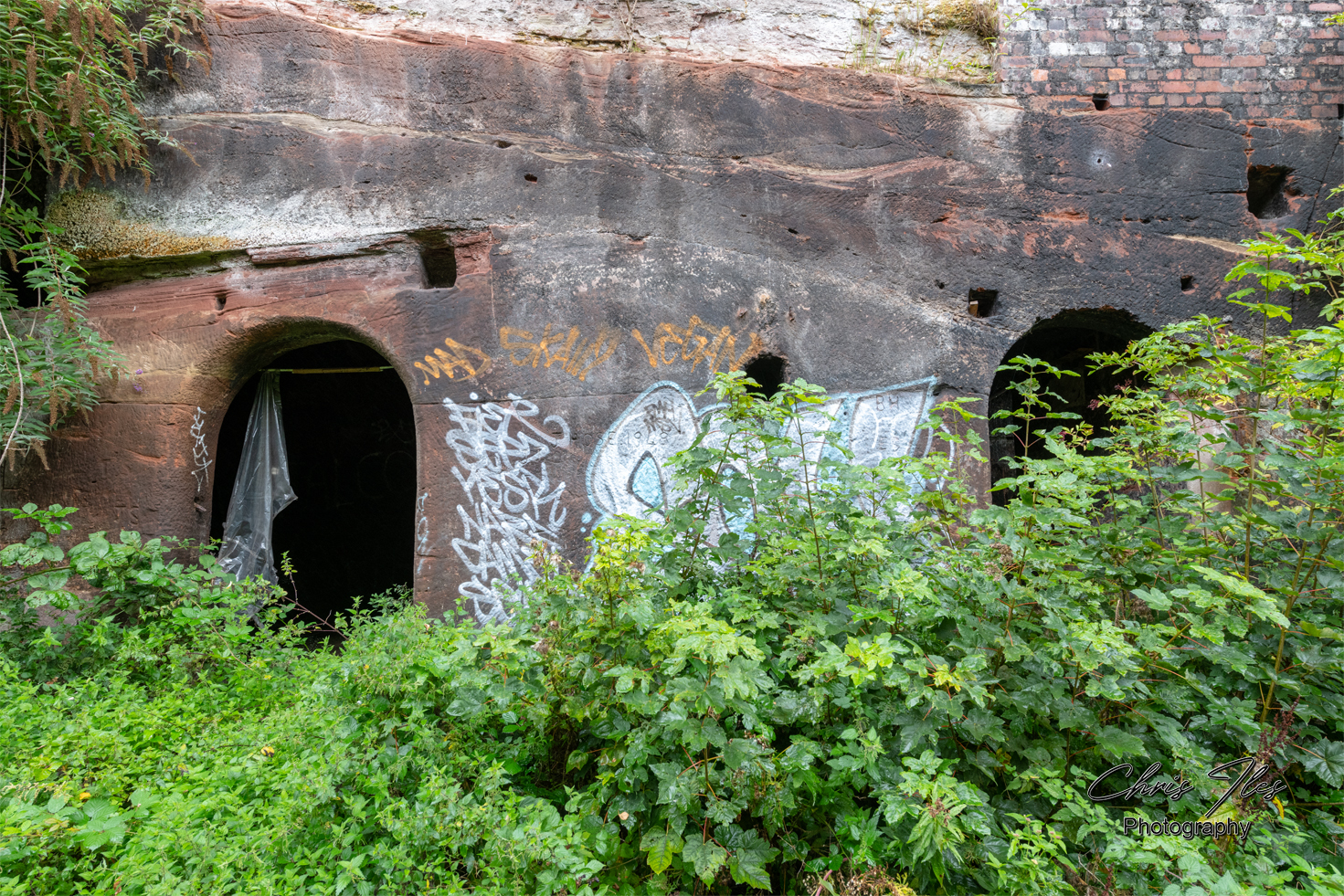
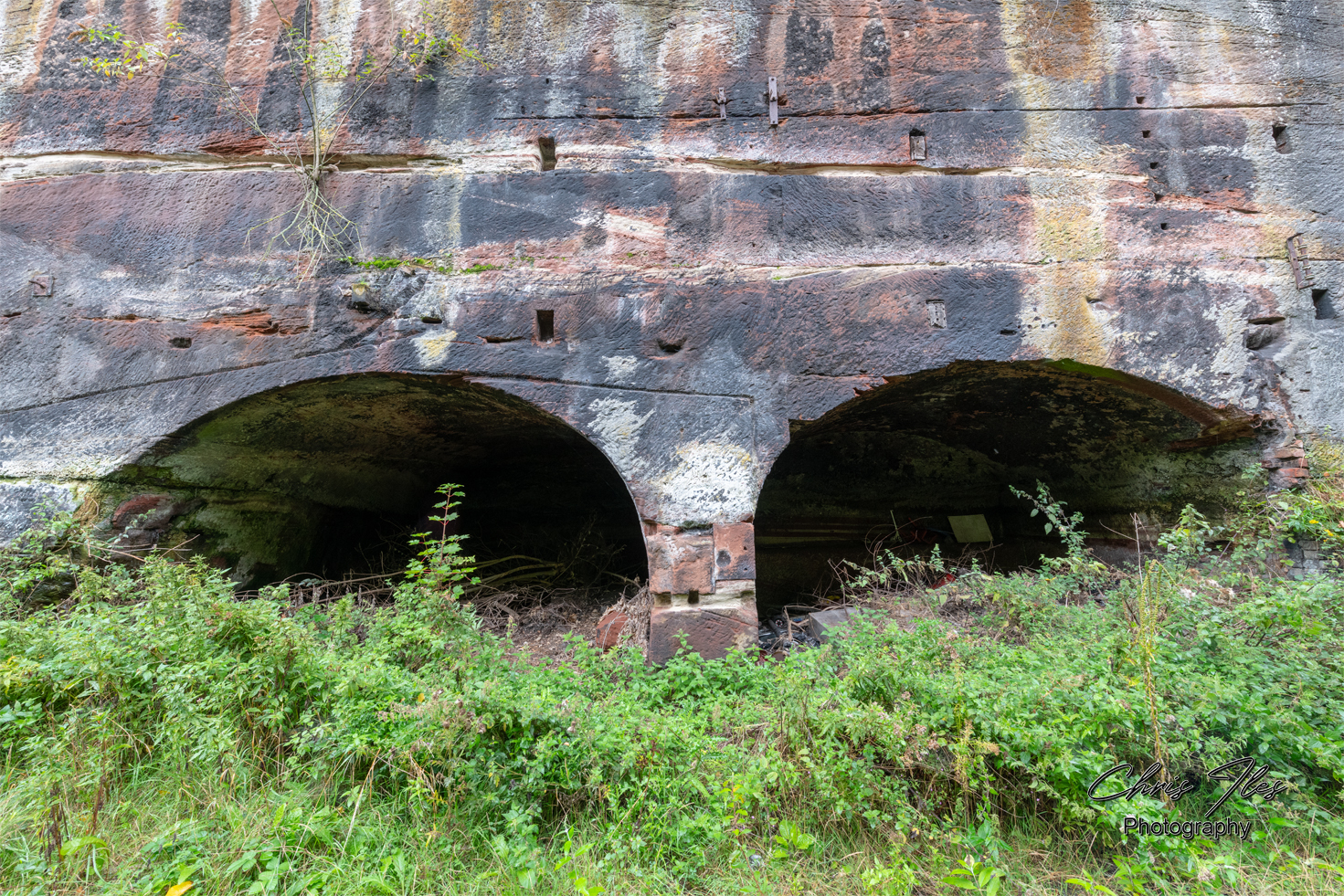
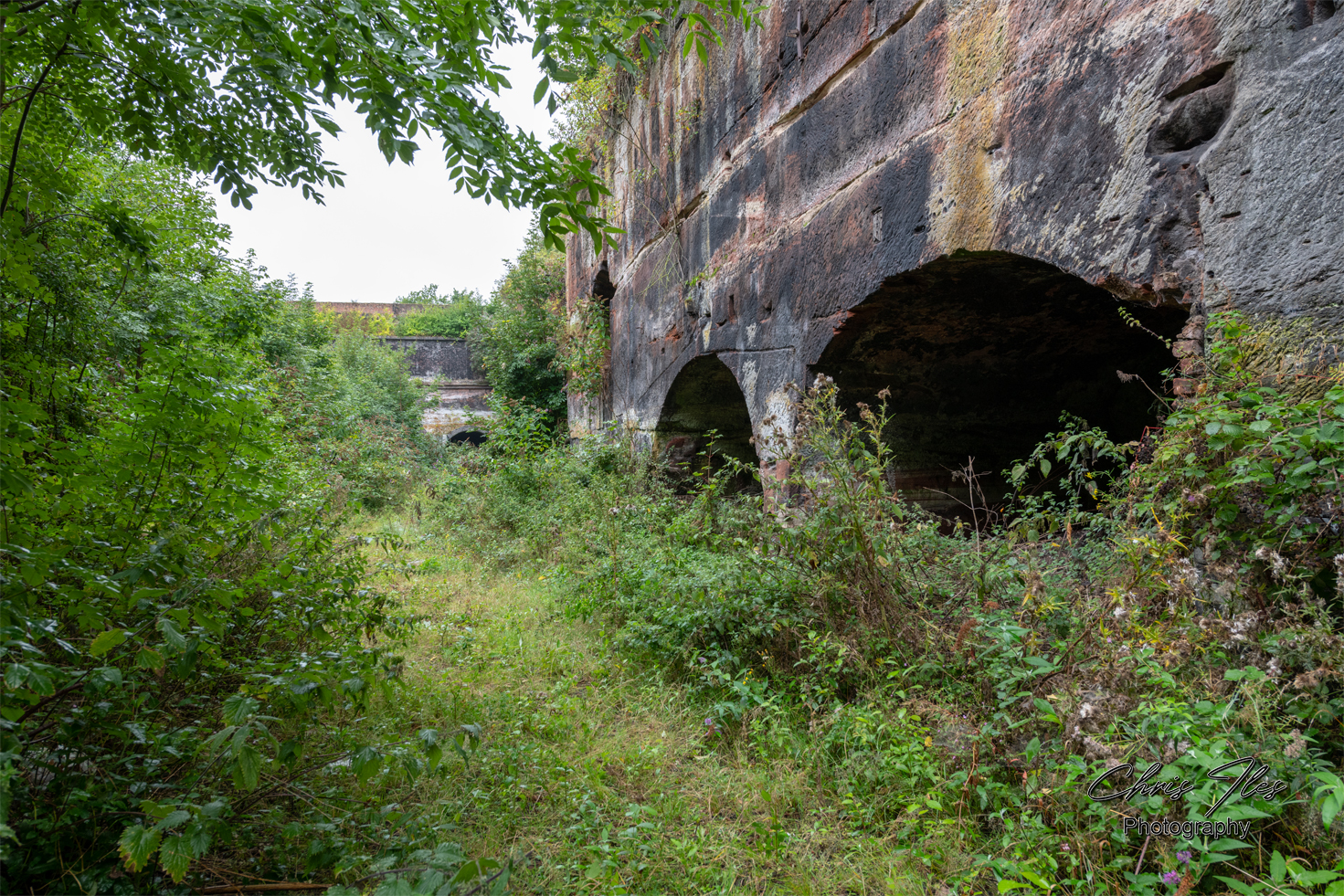
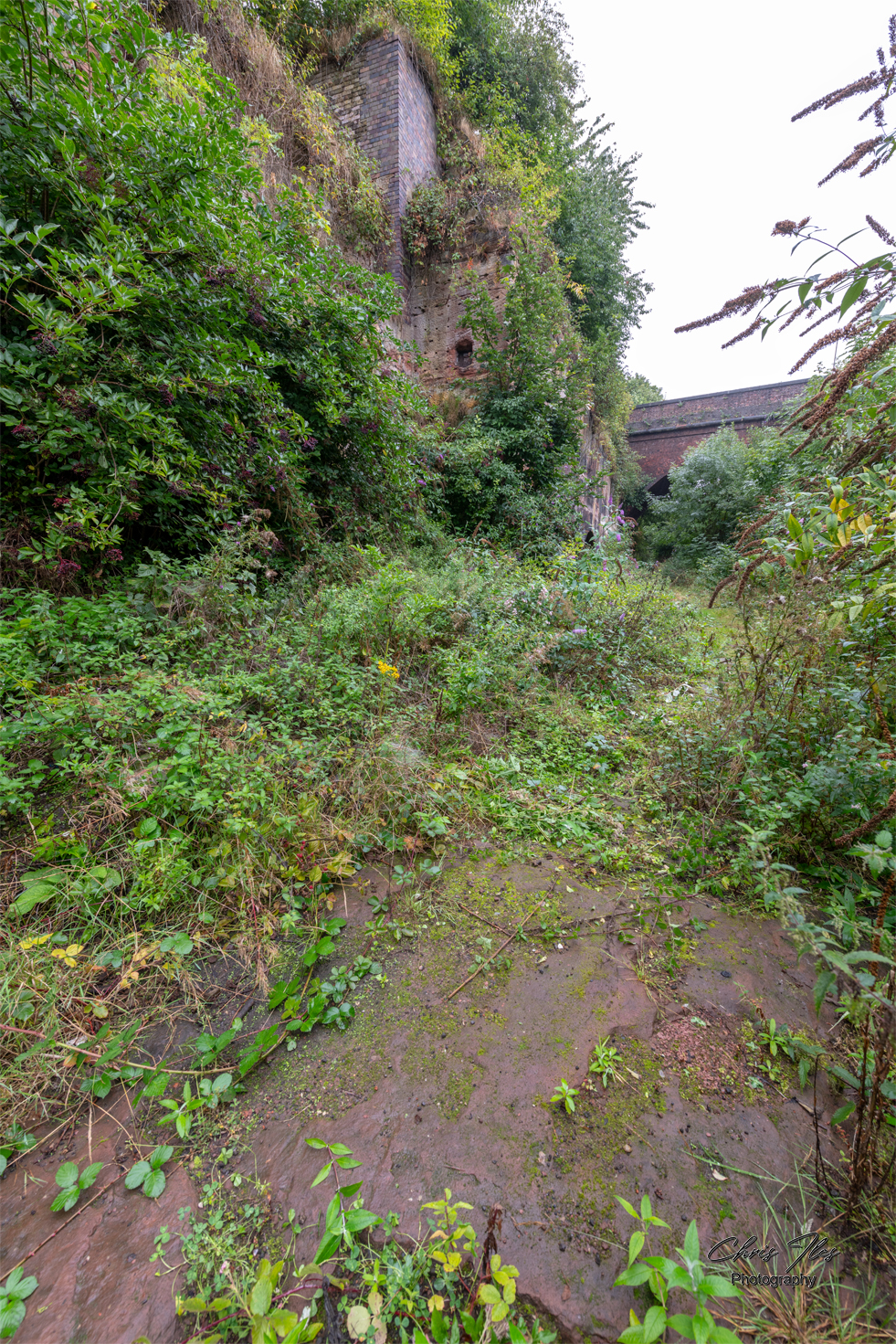
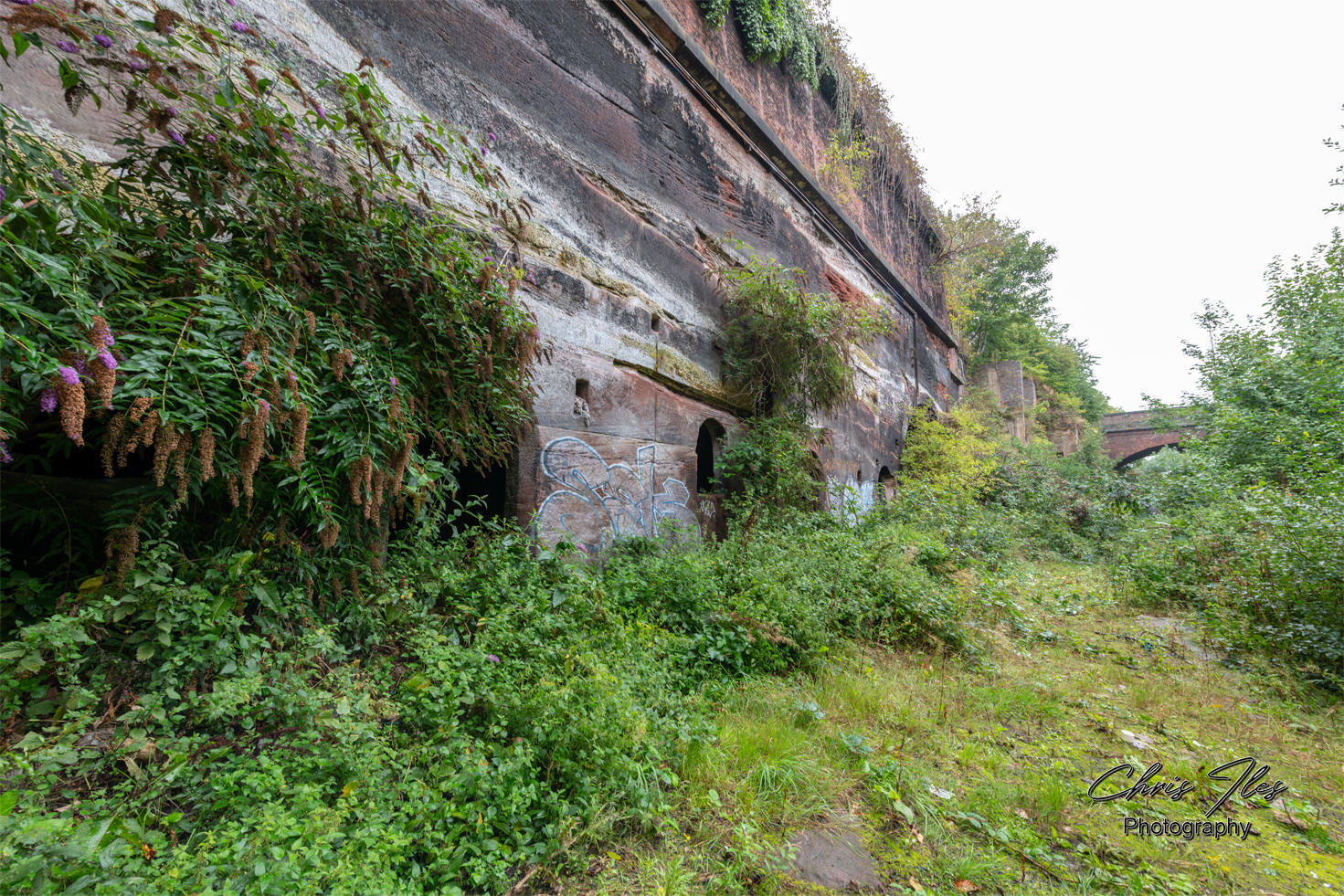
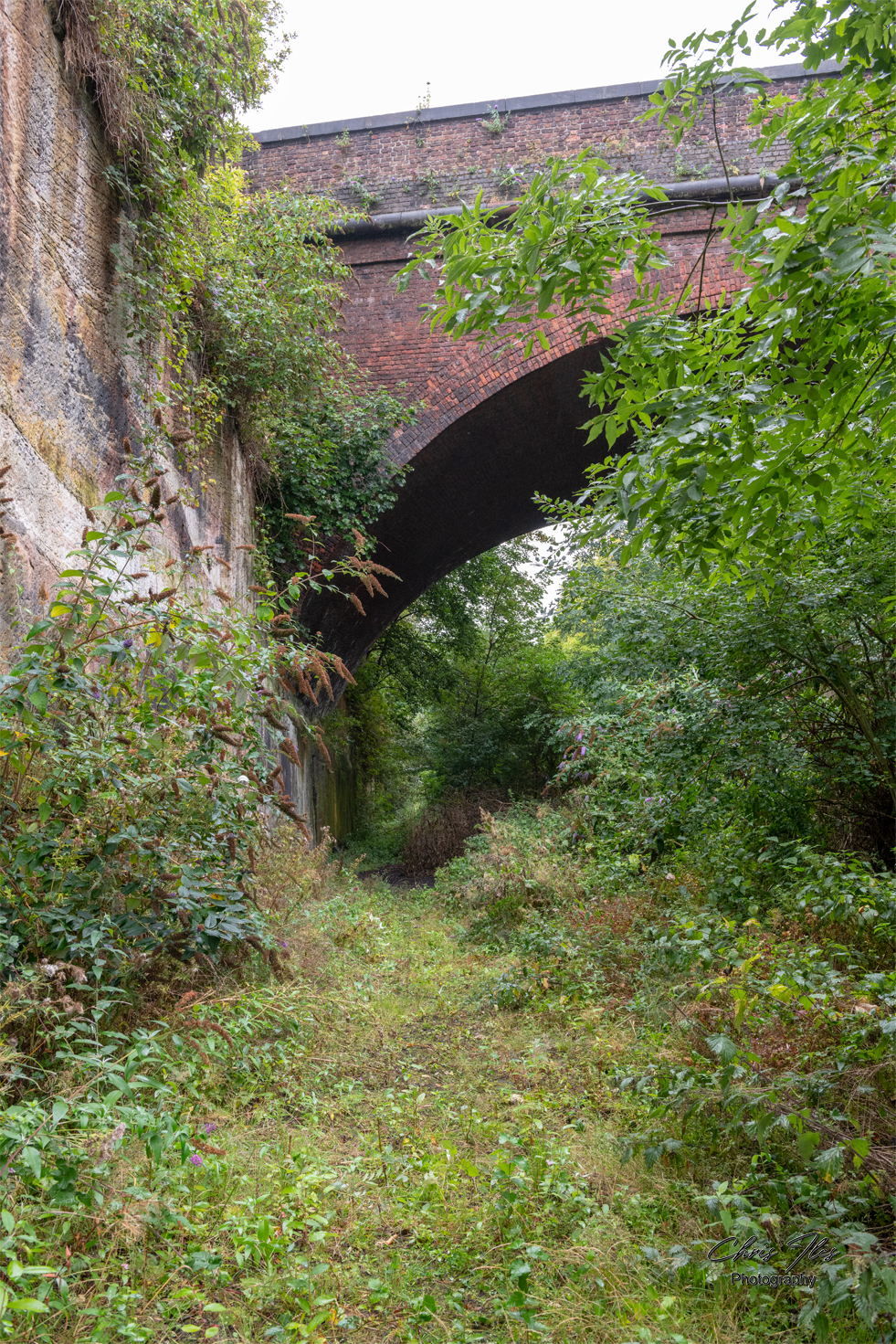
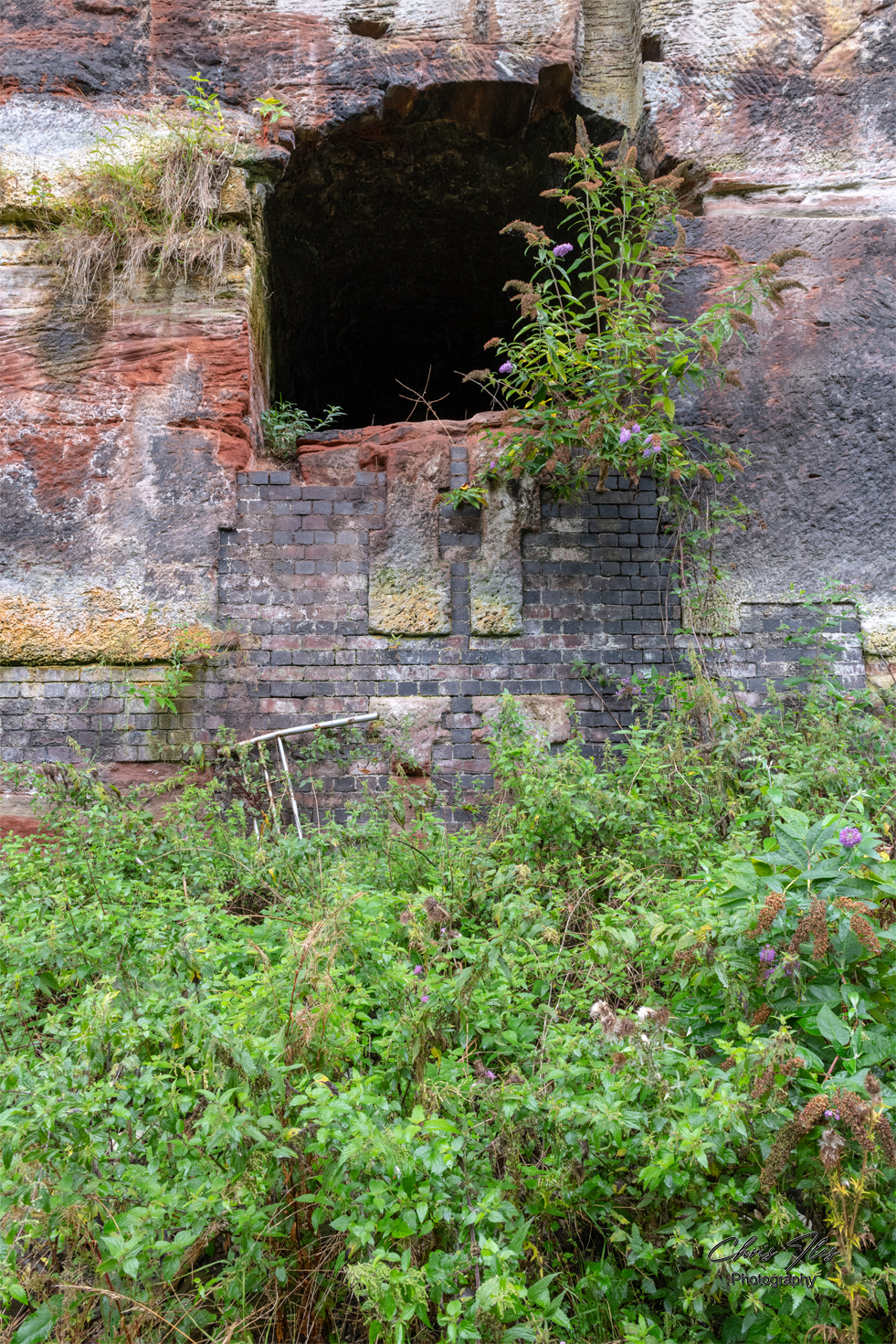
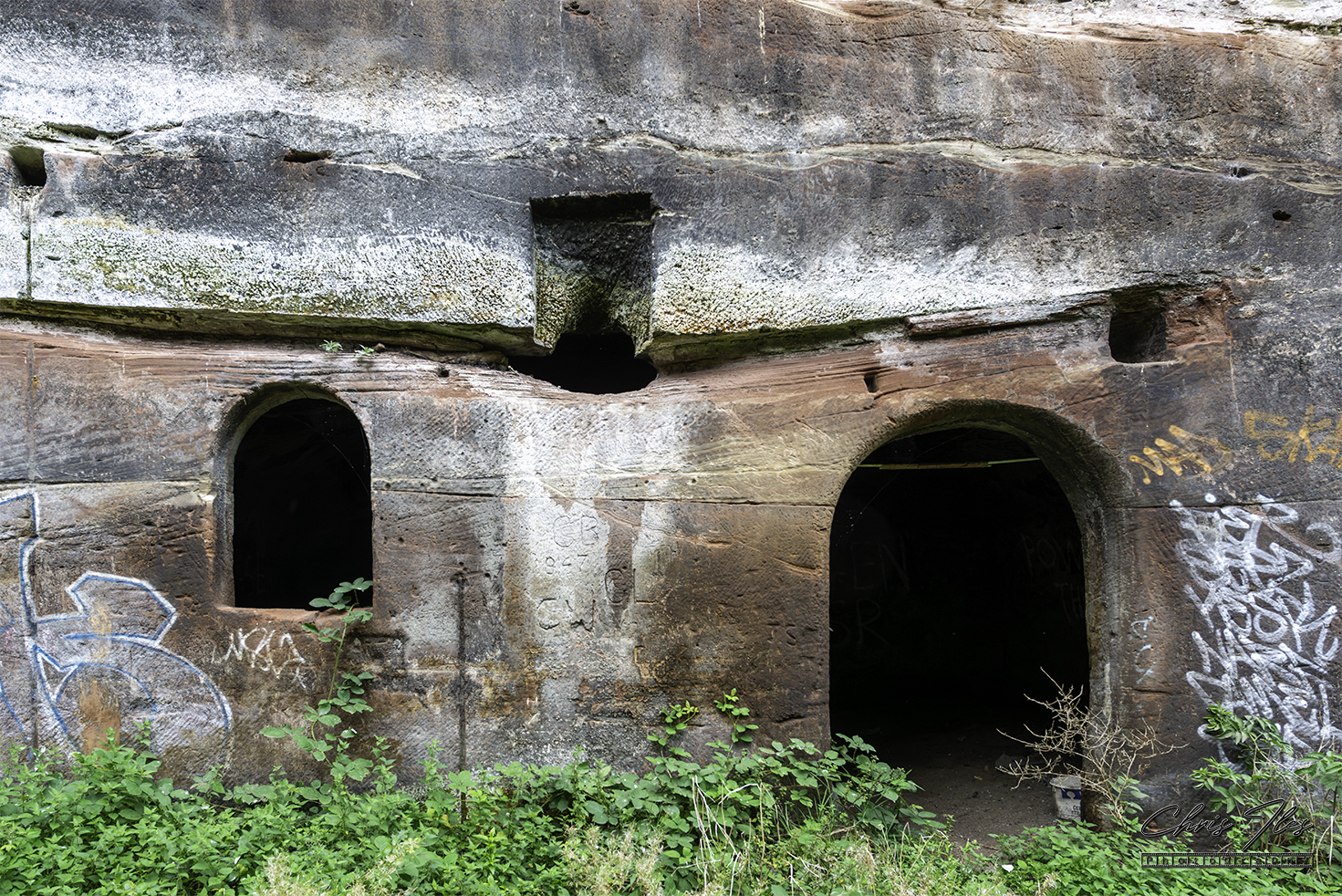
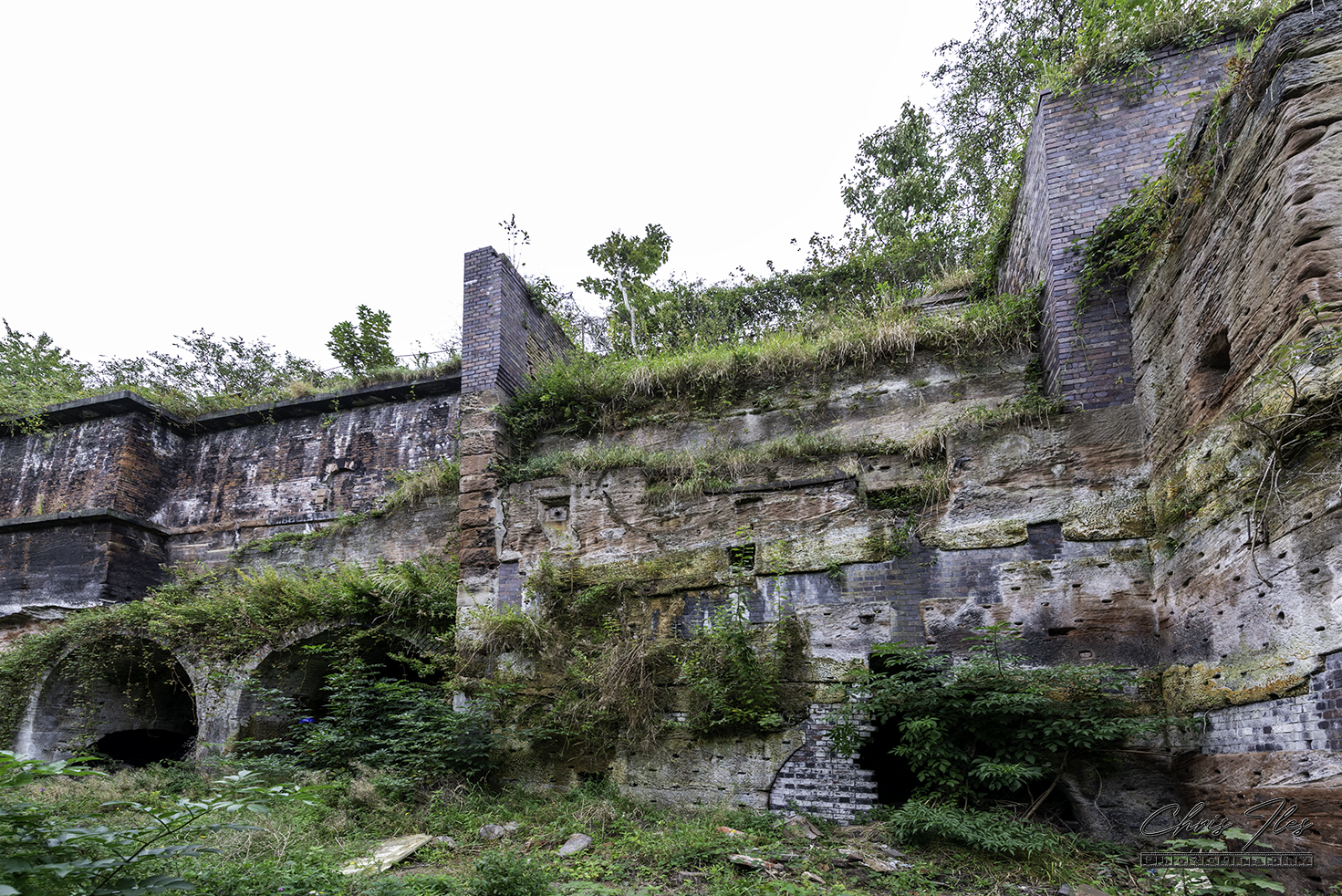
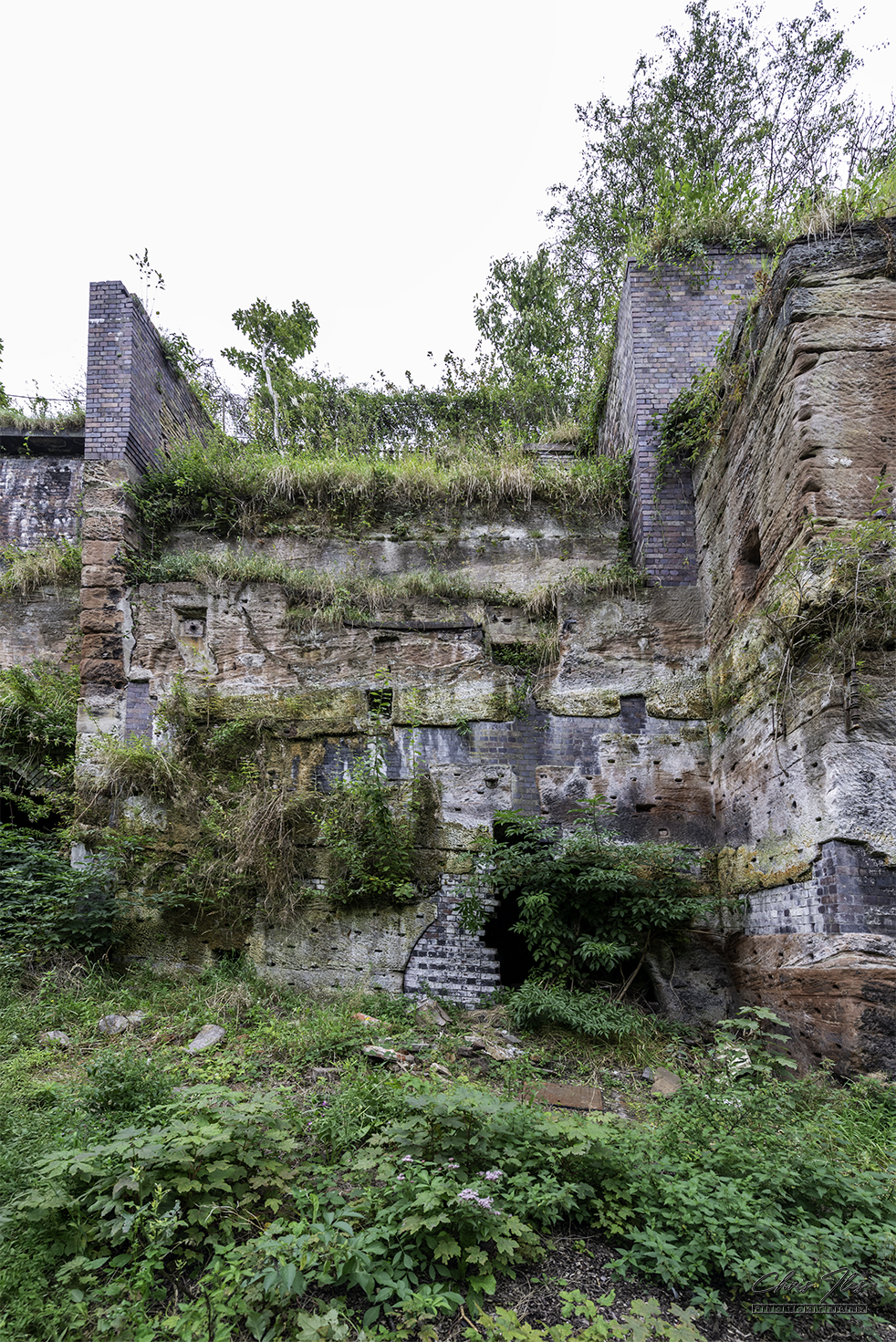
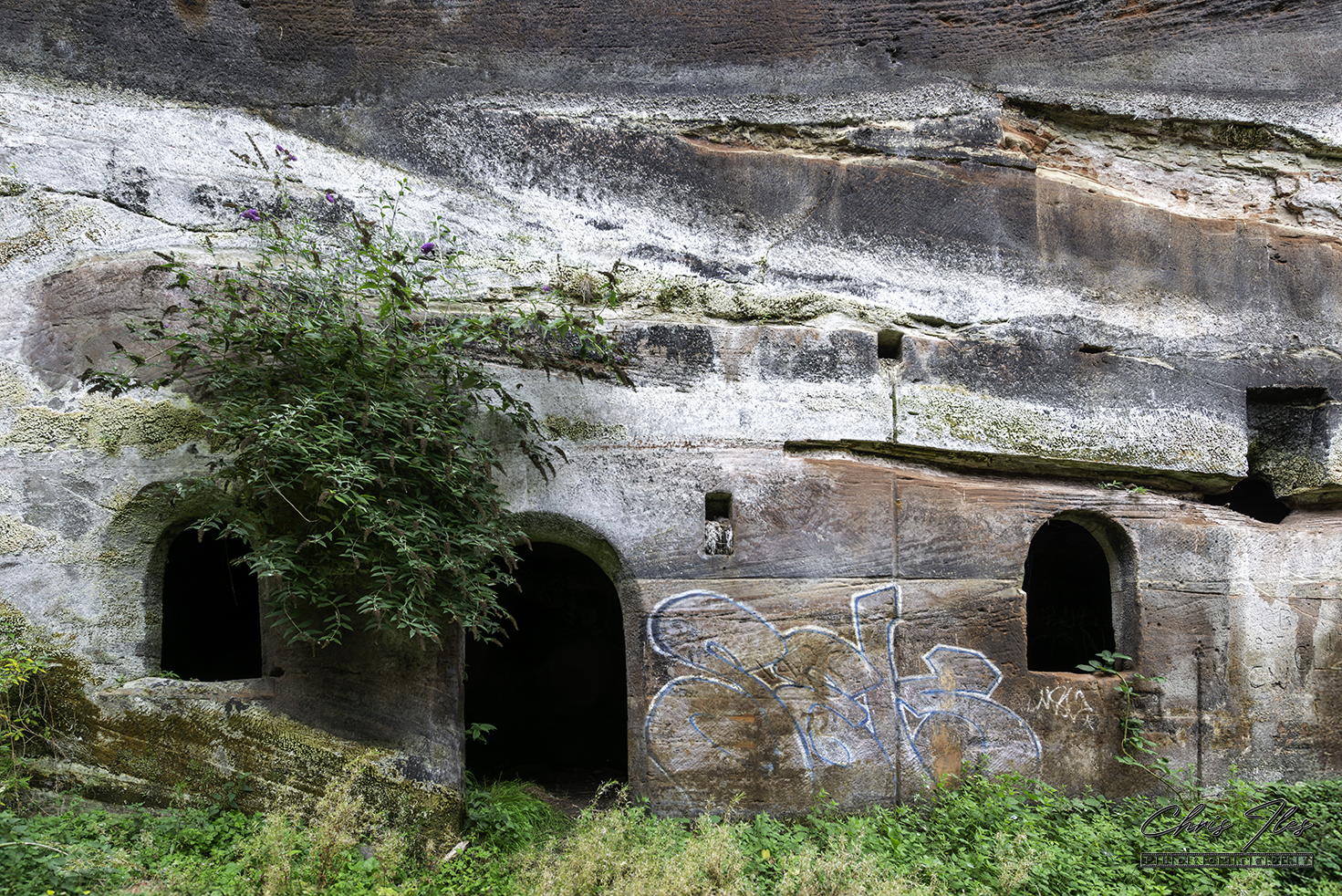
On 15th September 1830 the world changed forever. On that day, the ‘Liverpool and Manchester Railway’, began running the world’s first timetabled passenger railway between the two major industrial towns of Liverpool and Manchester, both of which became cities in 1880 and 1853 respectively. This major historic event, took place from the Wapping Cutting and proved to be the birthplace of Modern Railways as we know today. Still surviving are the chambers carved from the sandstone of the cutting’s North wall, to accommodate Staff, stores, offices, stables and of course, the steam boilers that powered the cable system through the Wapping and Crown Street Tunnel’s. There was originally a very special feature within the cutting, the once grand and decorative ‘Moorish Arch’, which spanned the width of the cutting. Sadly the Moorish Arch was demolished around 1865, in order to widen the cutting. Also lost were the Pillar’s of Hercules, two large 110ft tall chimneys that vented the steam engines in the Cutting. Sadly, this historic location remains relatively unknown today, given it’s importance to the history of the Worlds Railway’s. Even though since it’s opening in 1830 for the launch of the Liverpool and Manchester Railway, the Wapping Cutting has had several different names, including Chatsworth Cutting, Cavendish Cutting, Edge Hill Engine Station and the Brickfield station.
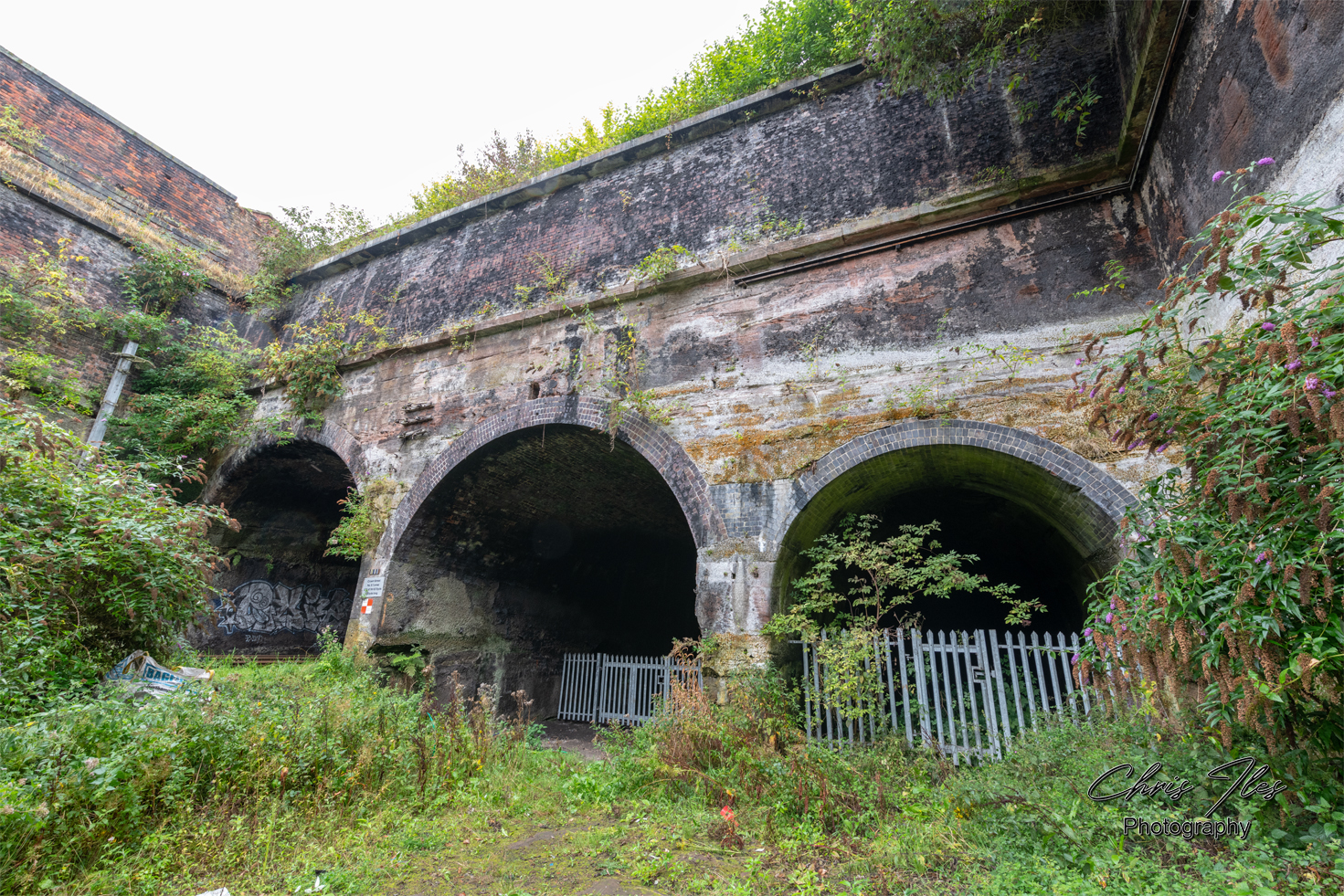
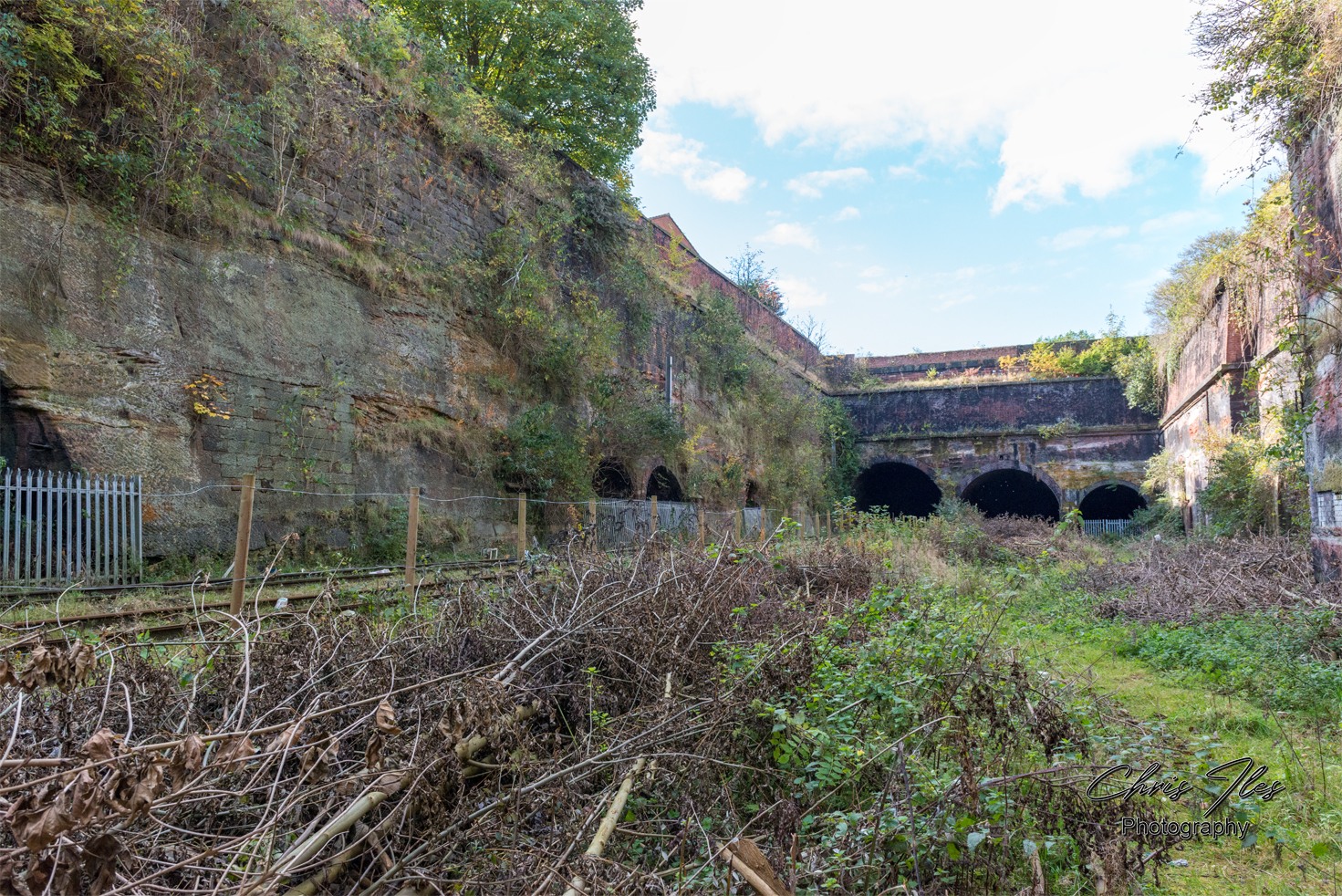
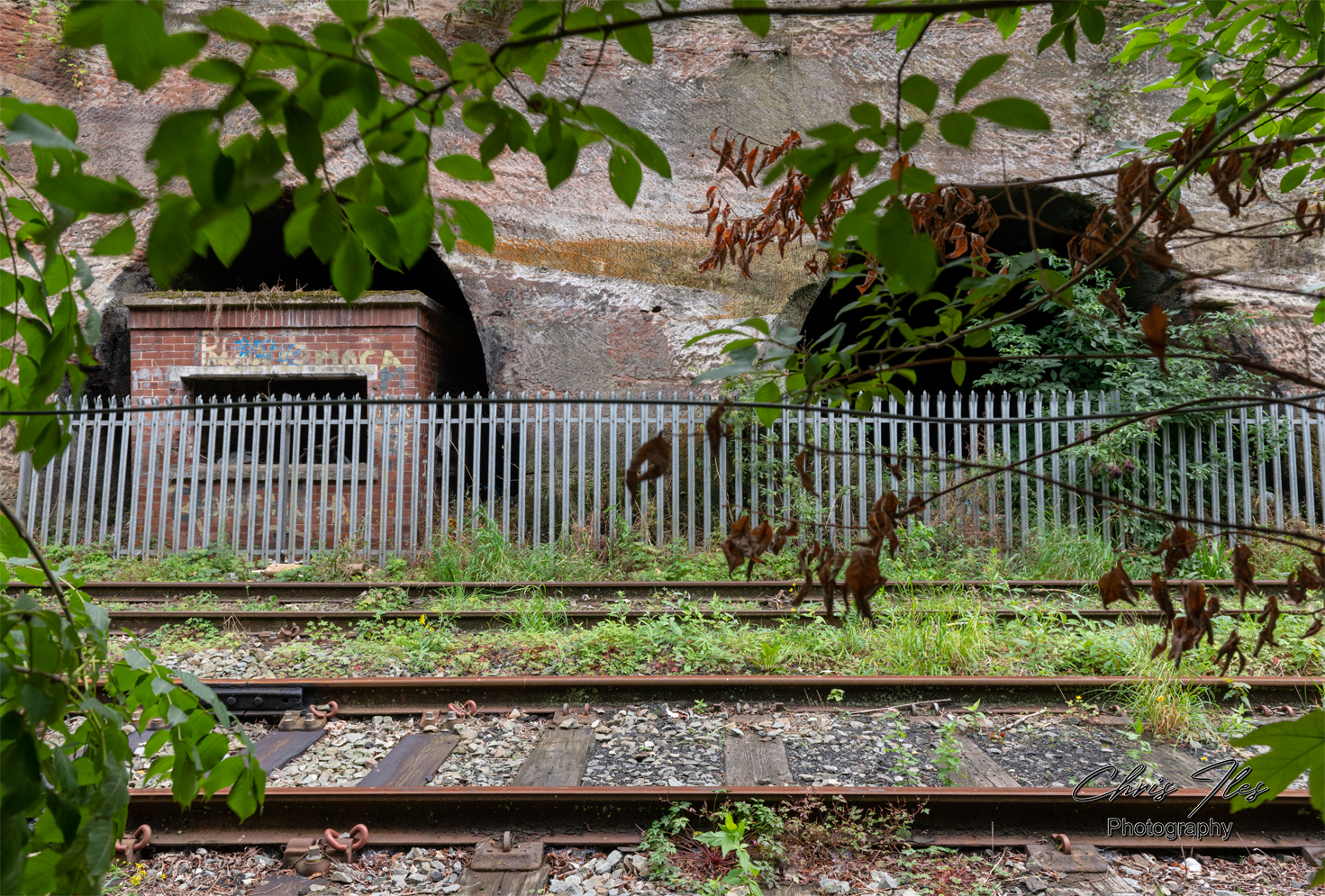
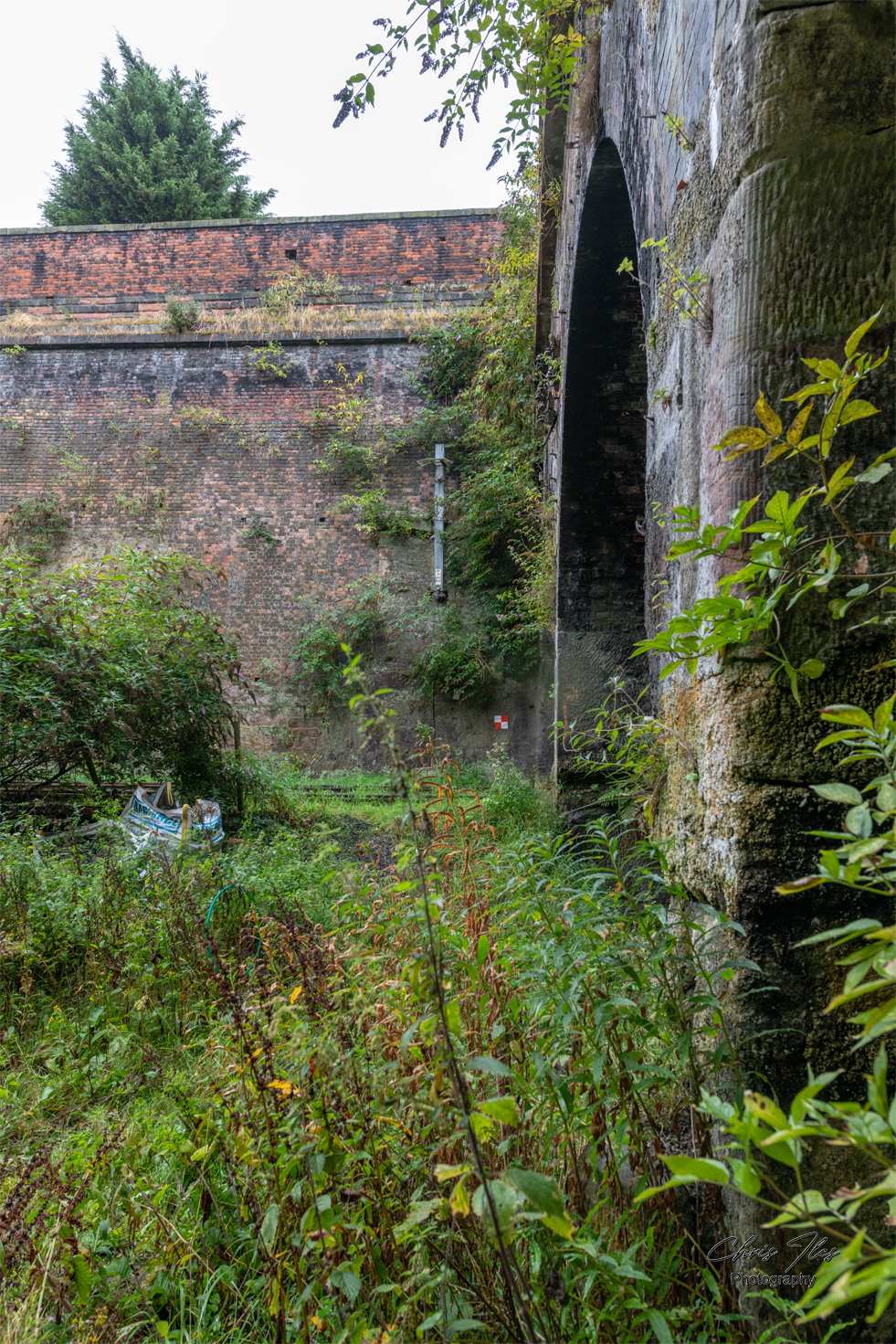
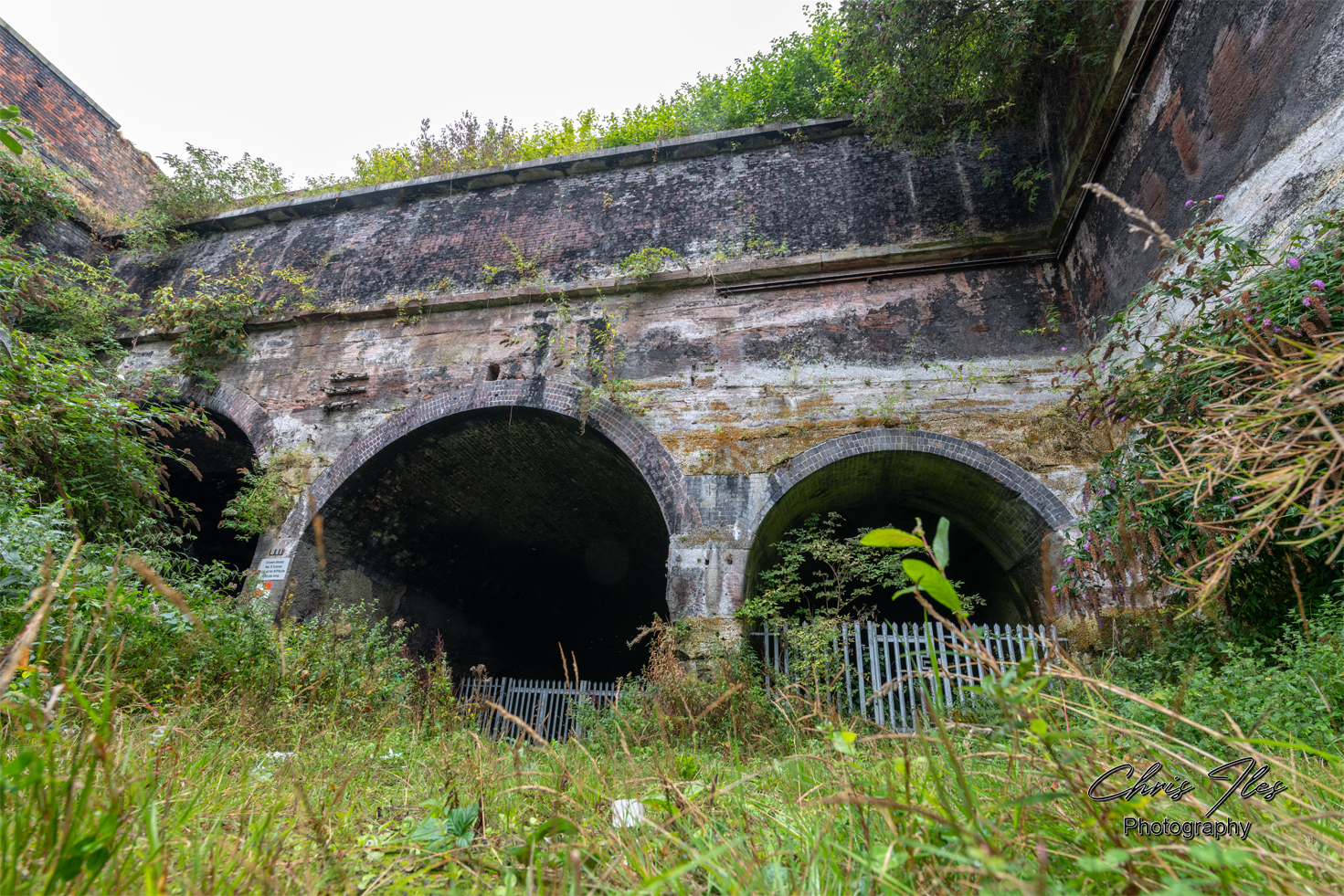
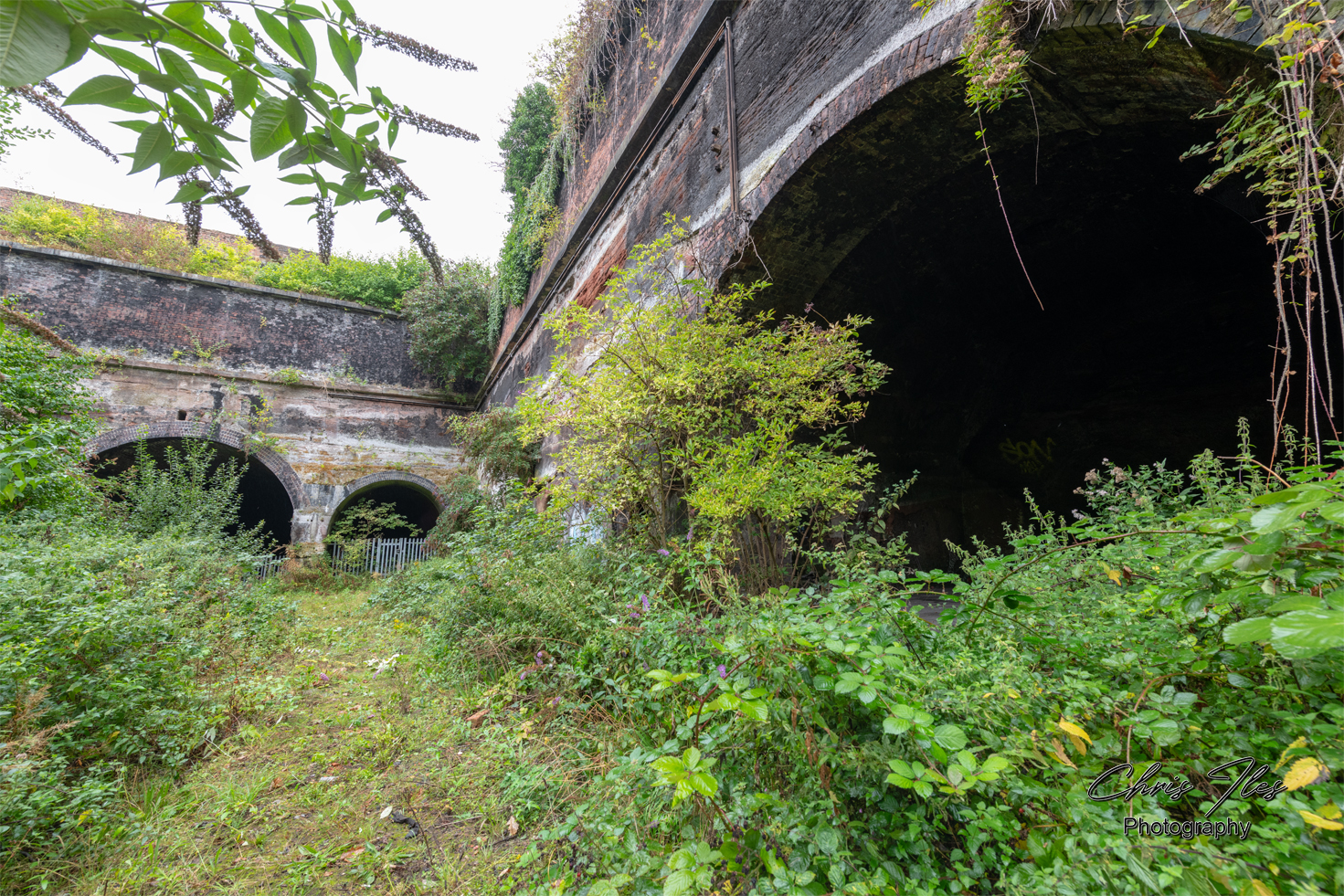
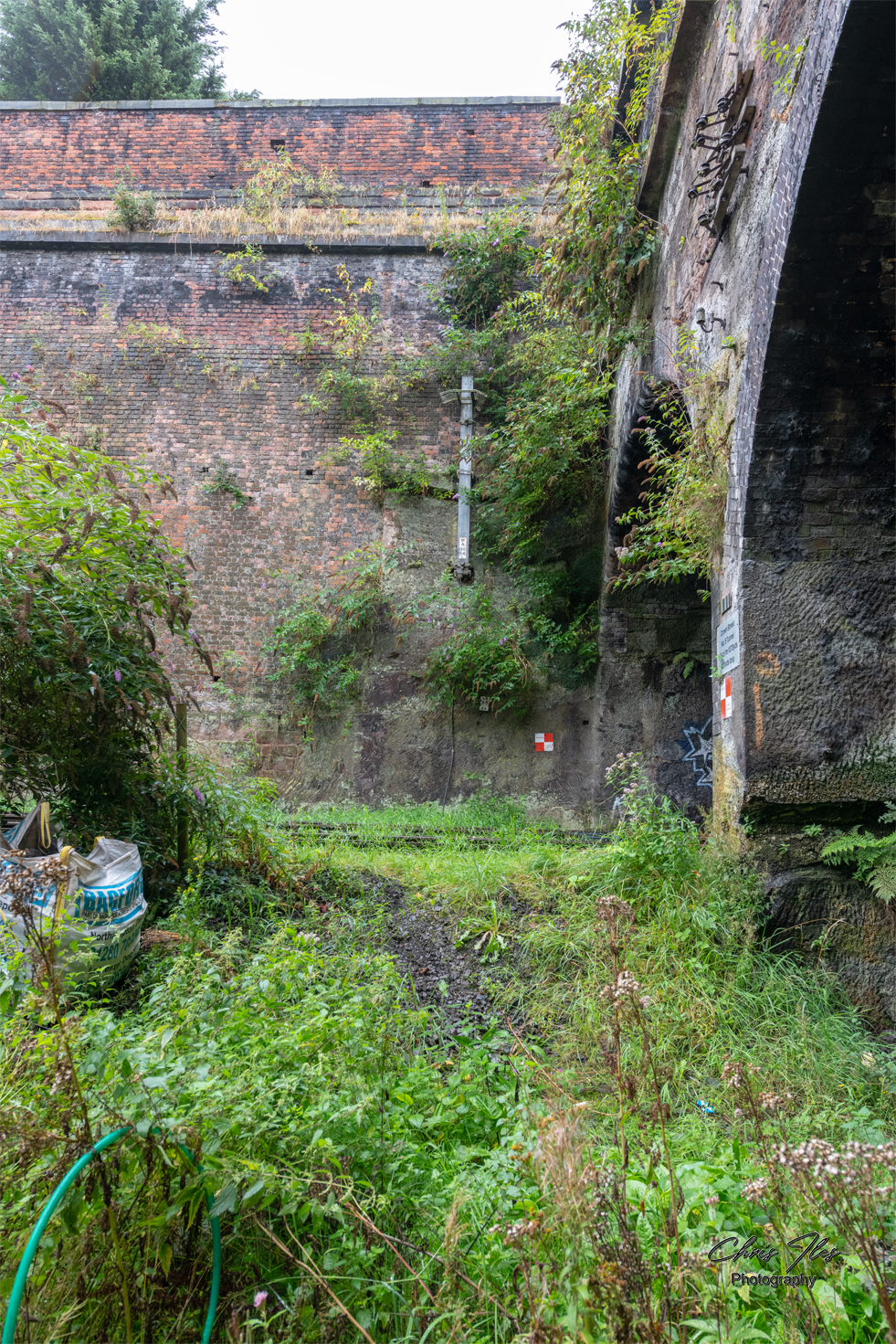
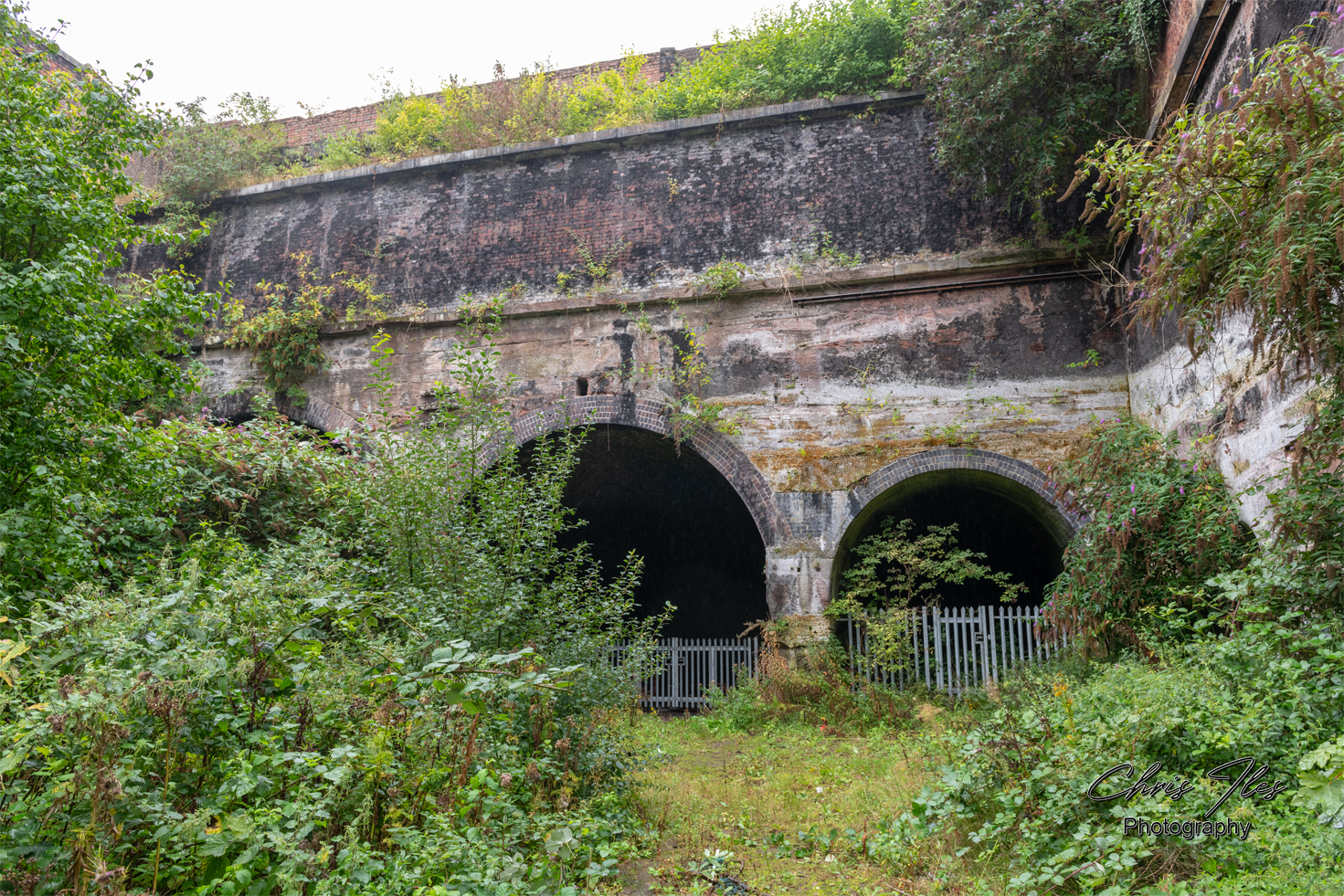
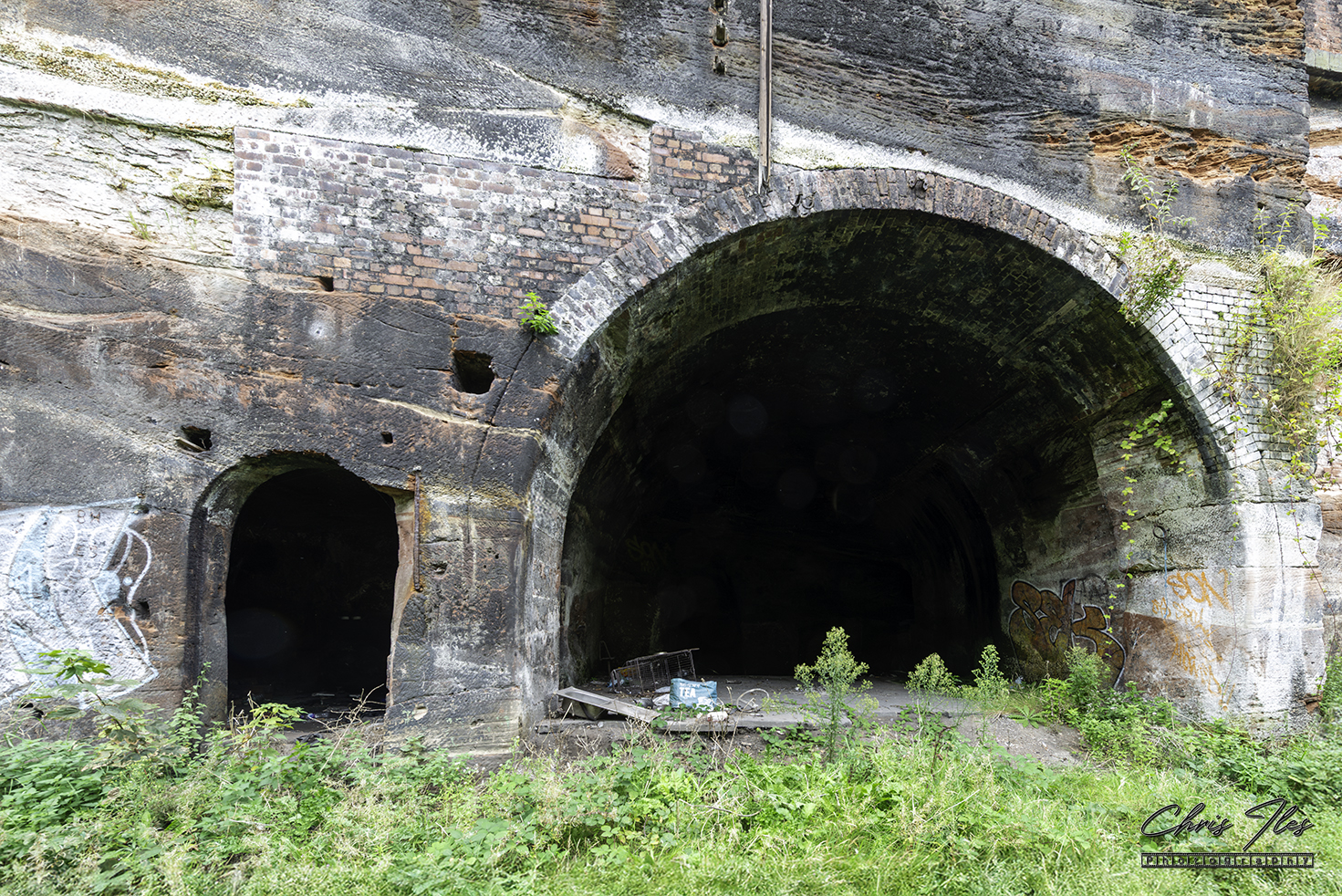
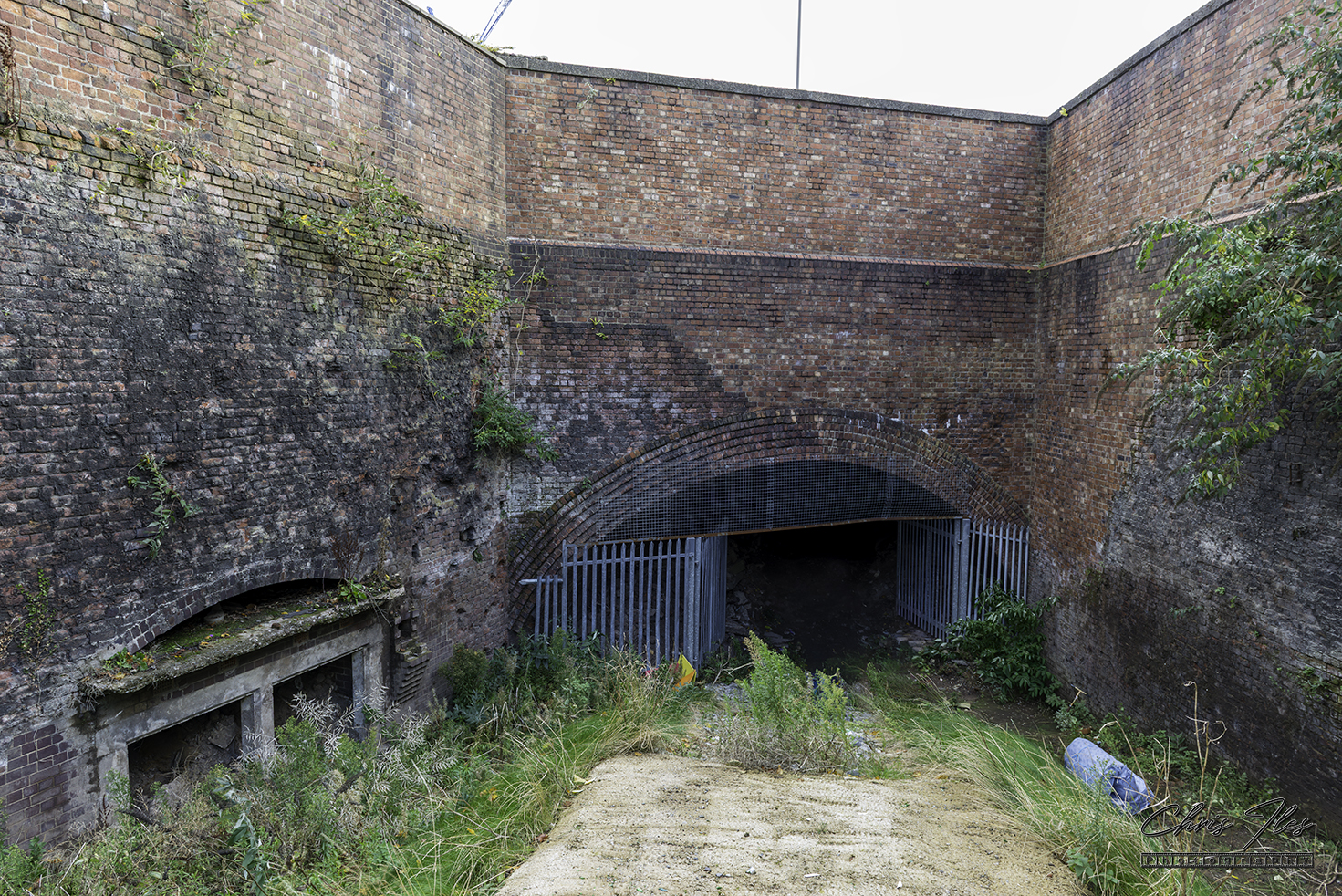
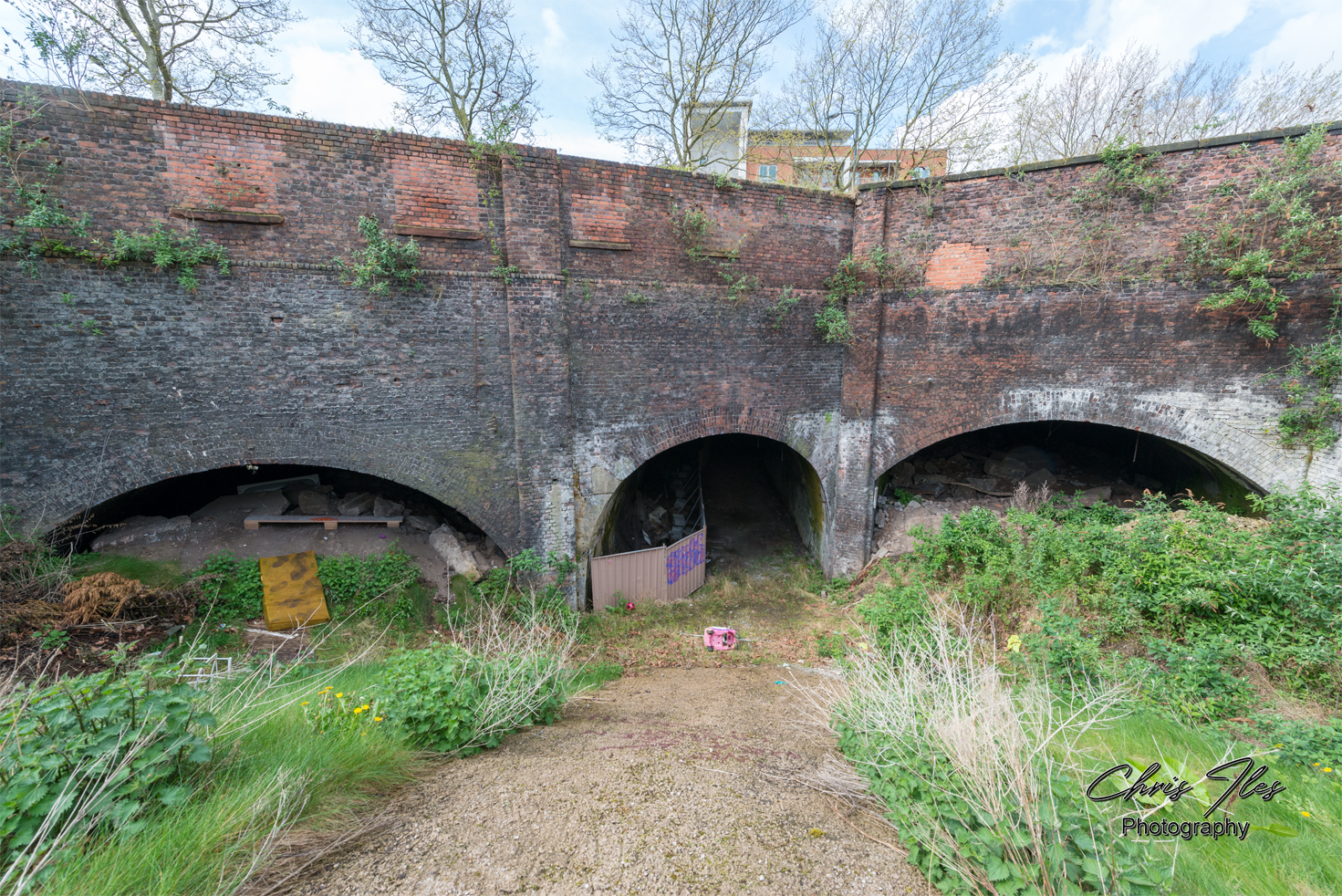
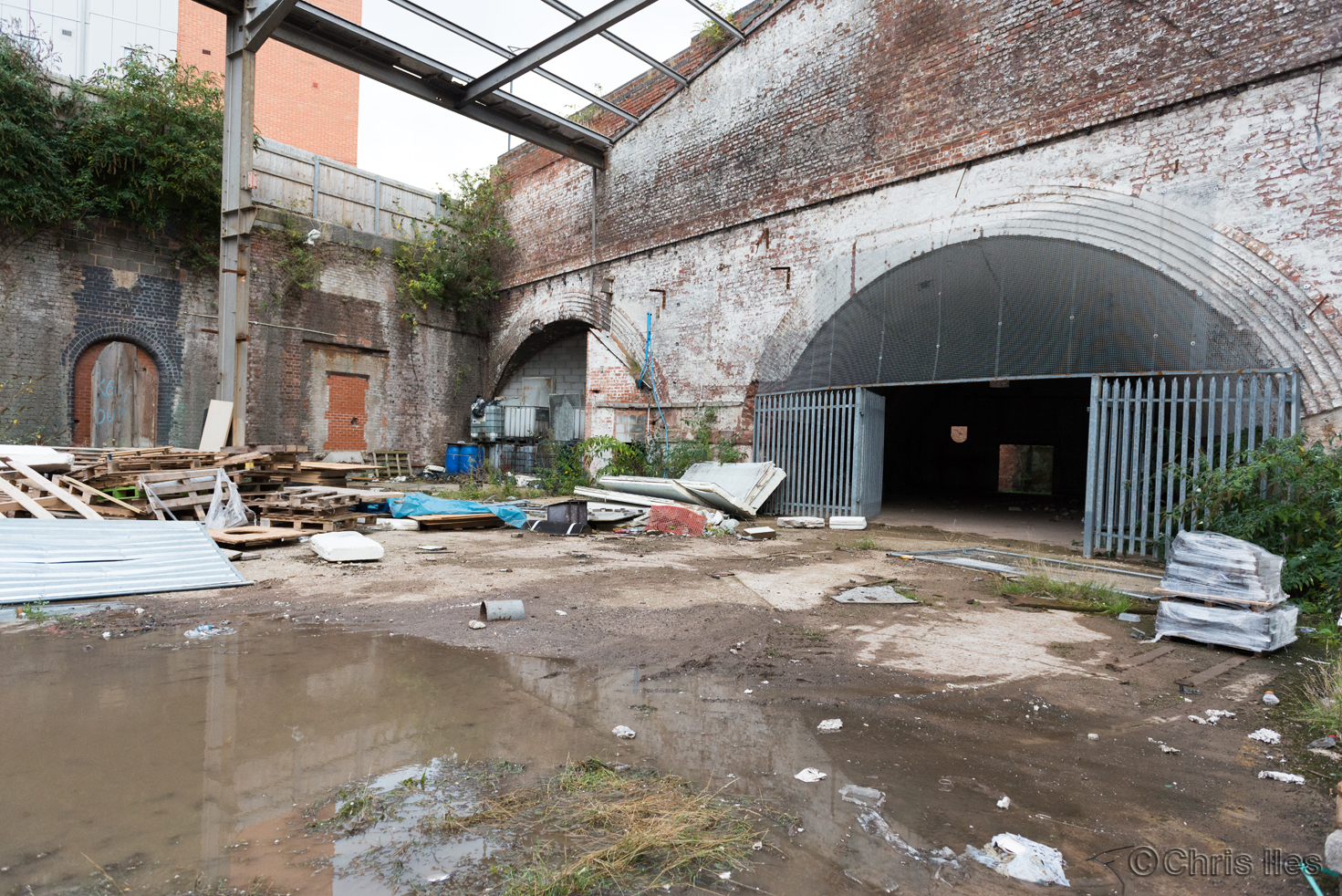
At the end of the Wapping Cutting, there are 3 tunnels. On the right or Northern side of the cutting, is the original 1829 Crown Street Tunnel. Then alongside is the larger Wapping Tunnel in the centre. Finally, the New 1846 Crown Street Tunnel, on the left or Southern side of the cutting.


Wapping Tunnel | 1829 Crown Street Tunnel | 1846 Crown Street Tunnel | Crown Street Station/Park | Wapping Crows Foot | Maps
Within the Wapping Cutting, there are three tunnels…
Wapping Tunnel
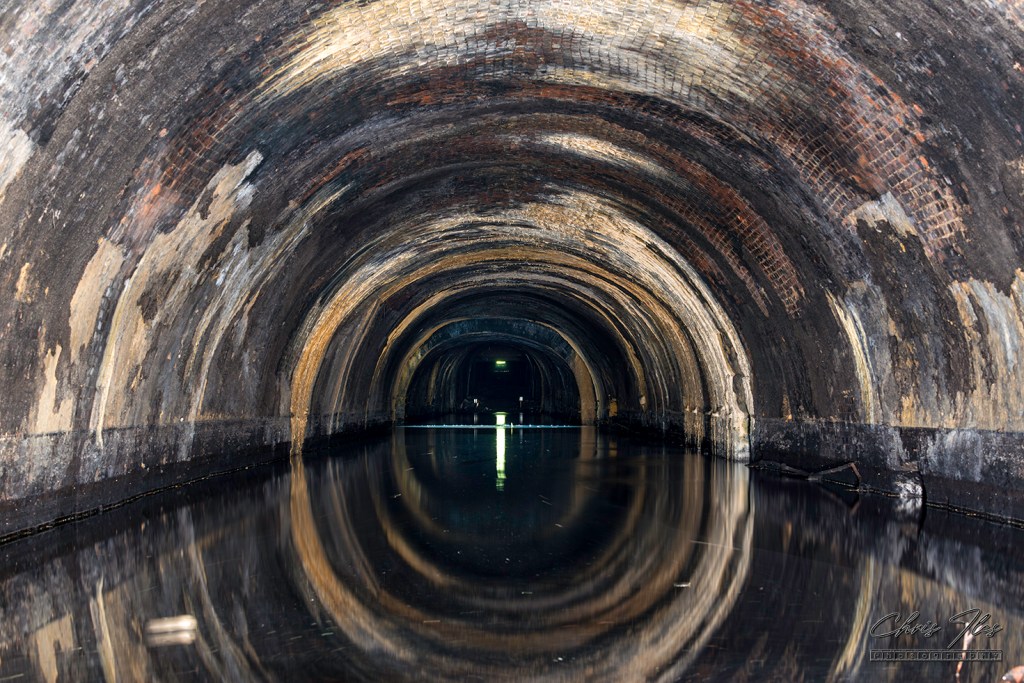
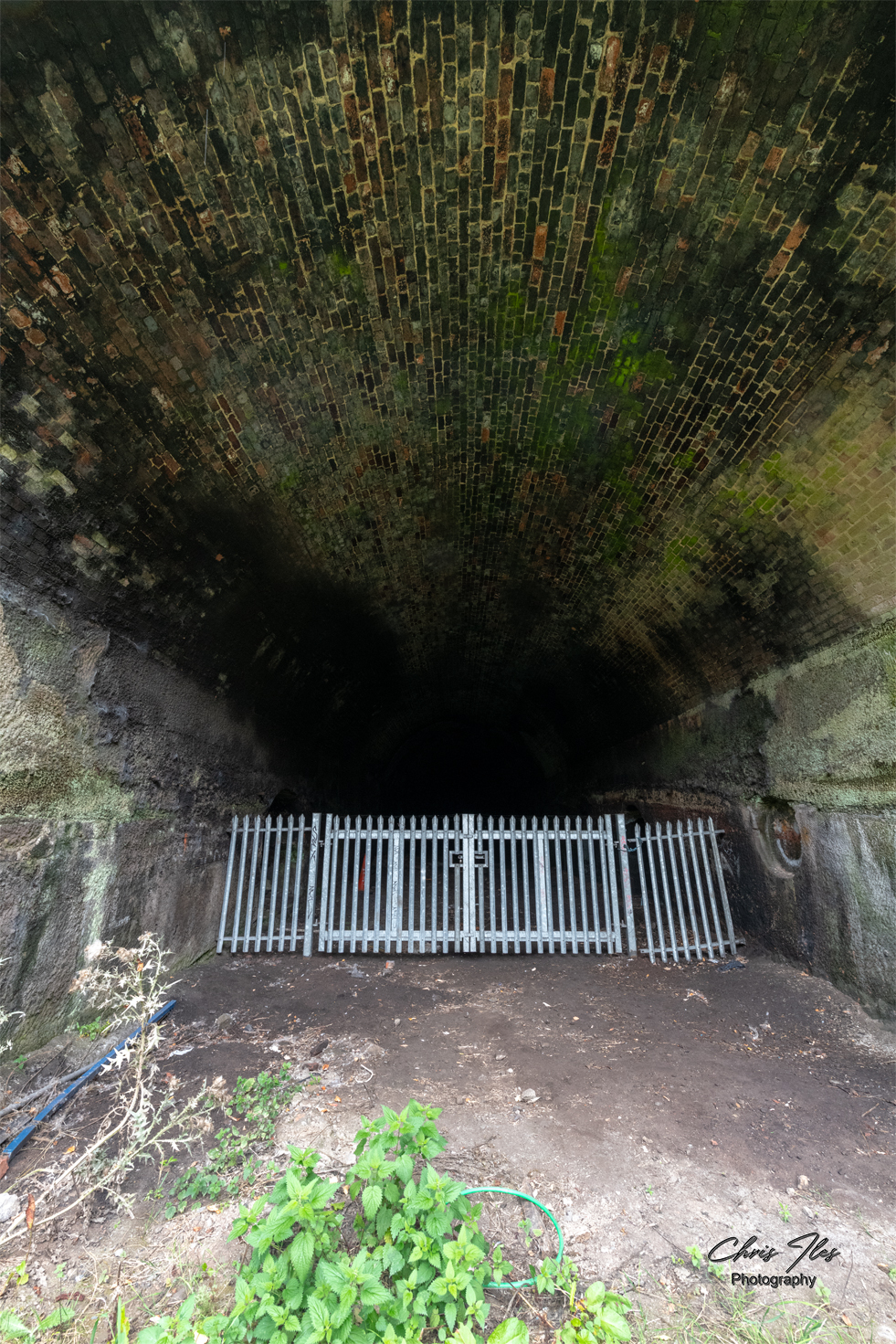
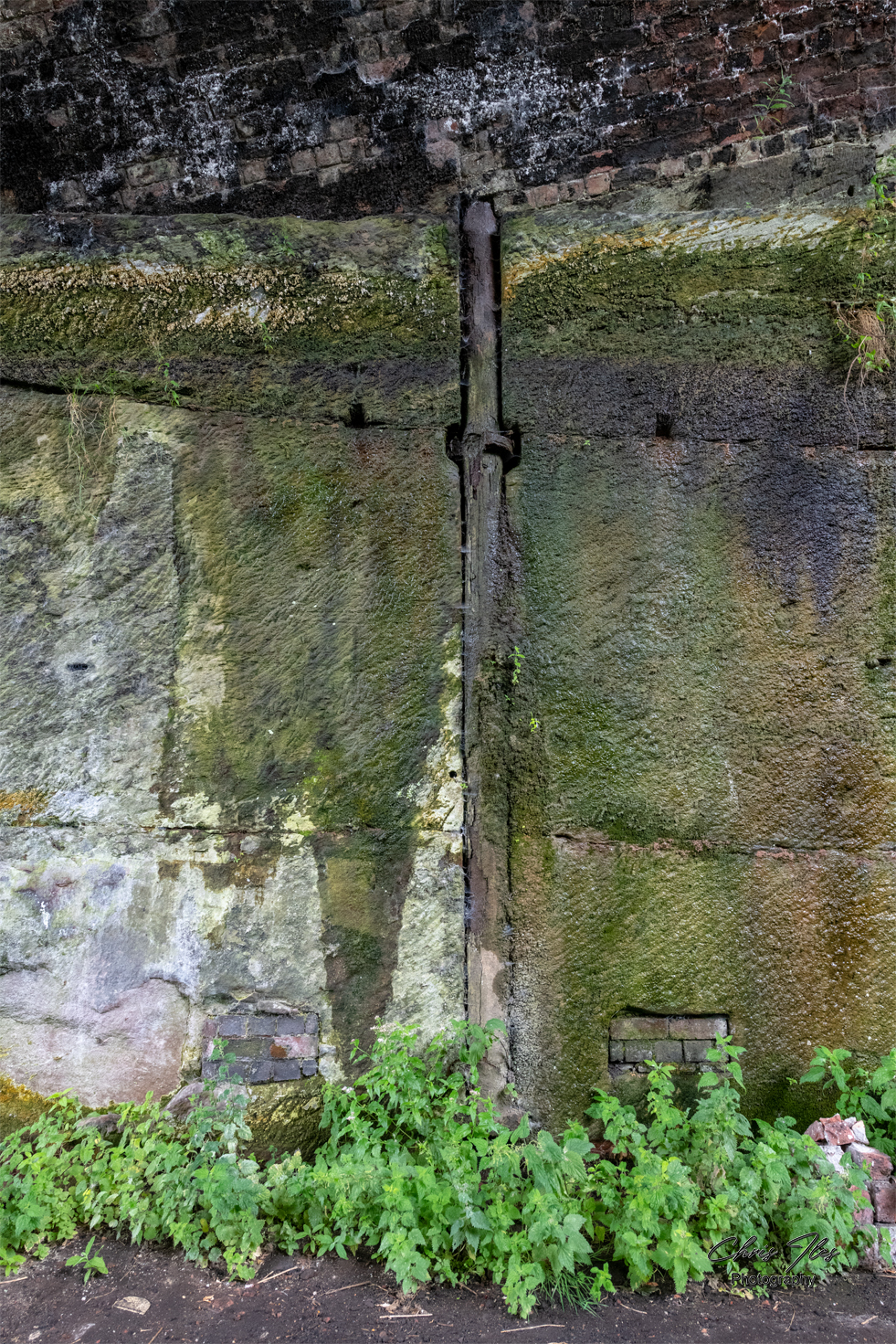
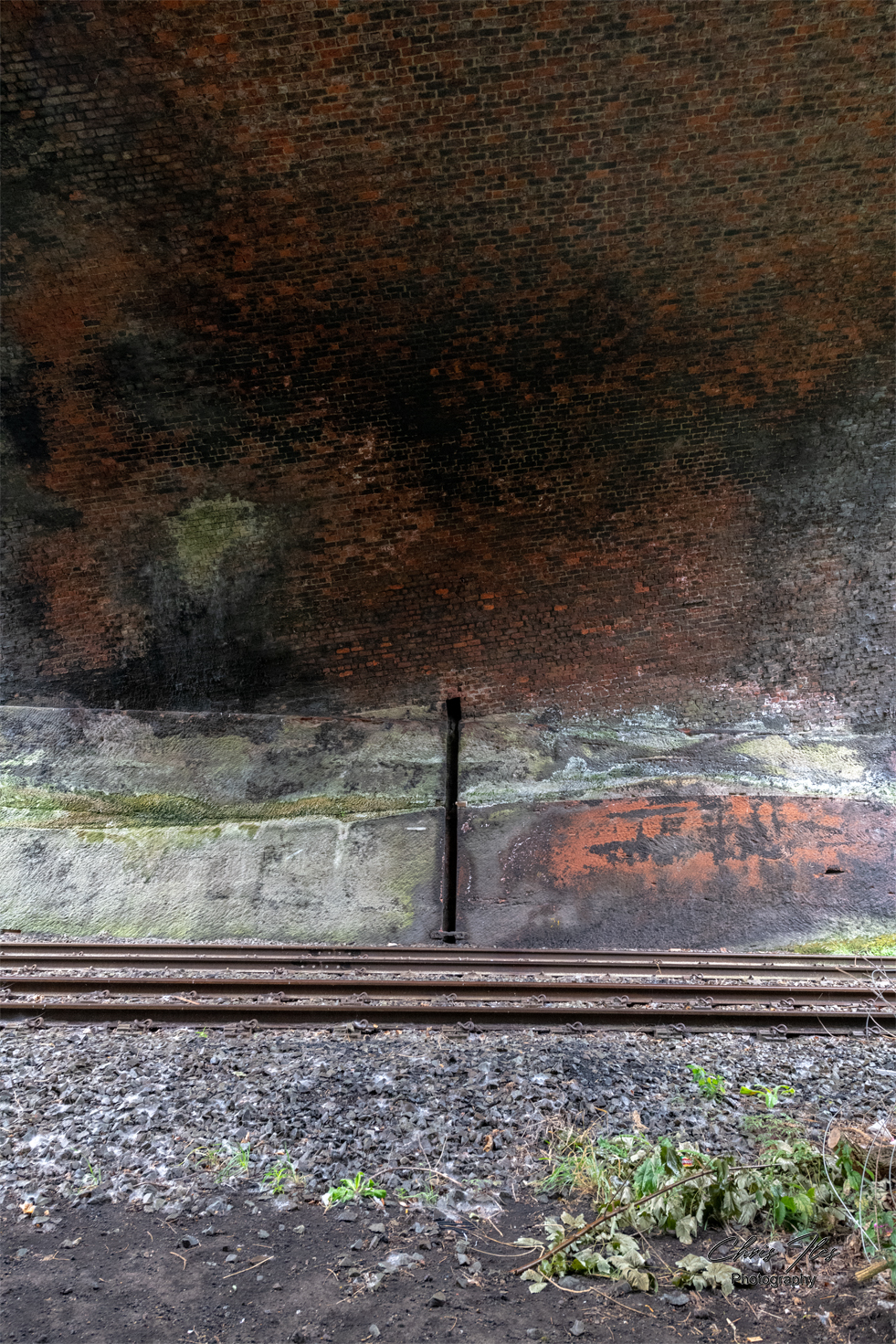
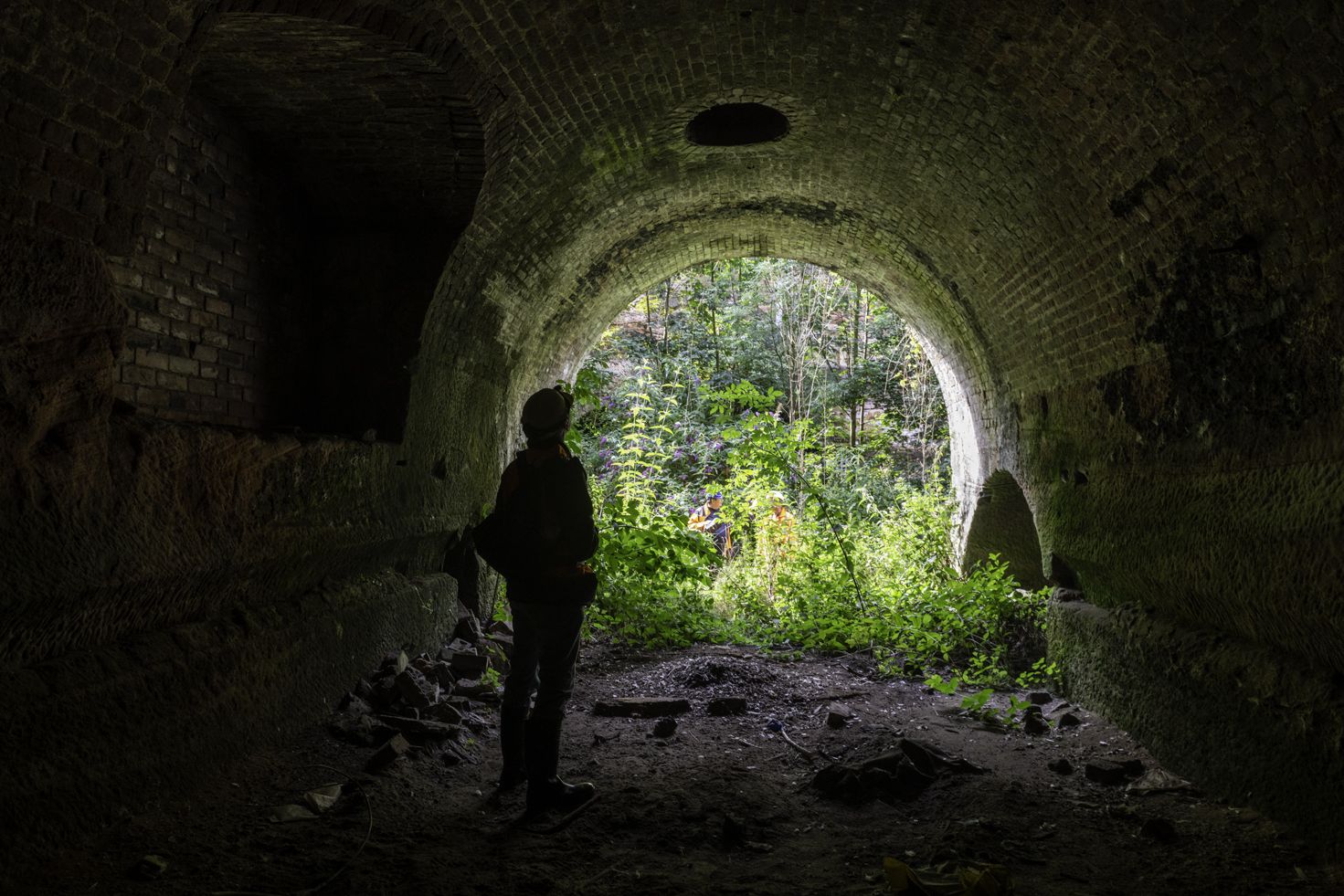
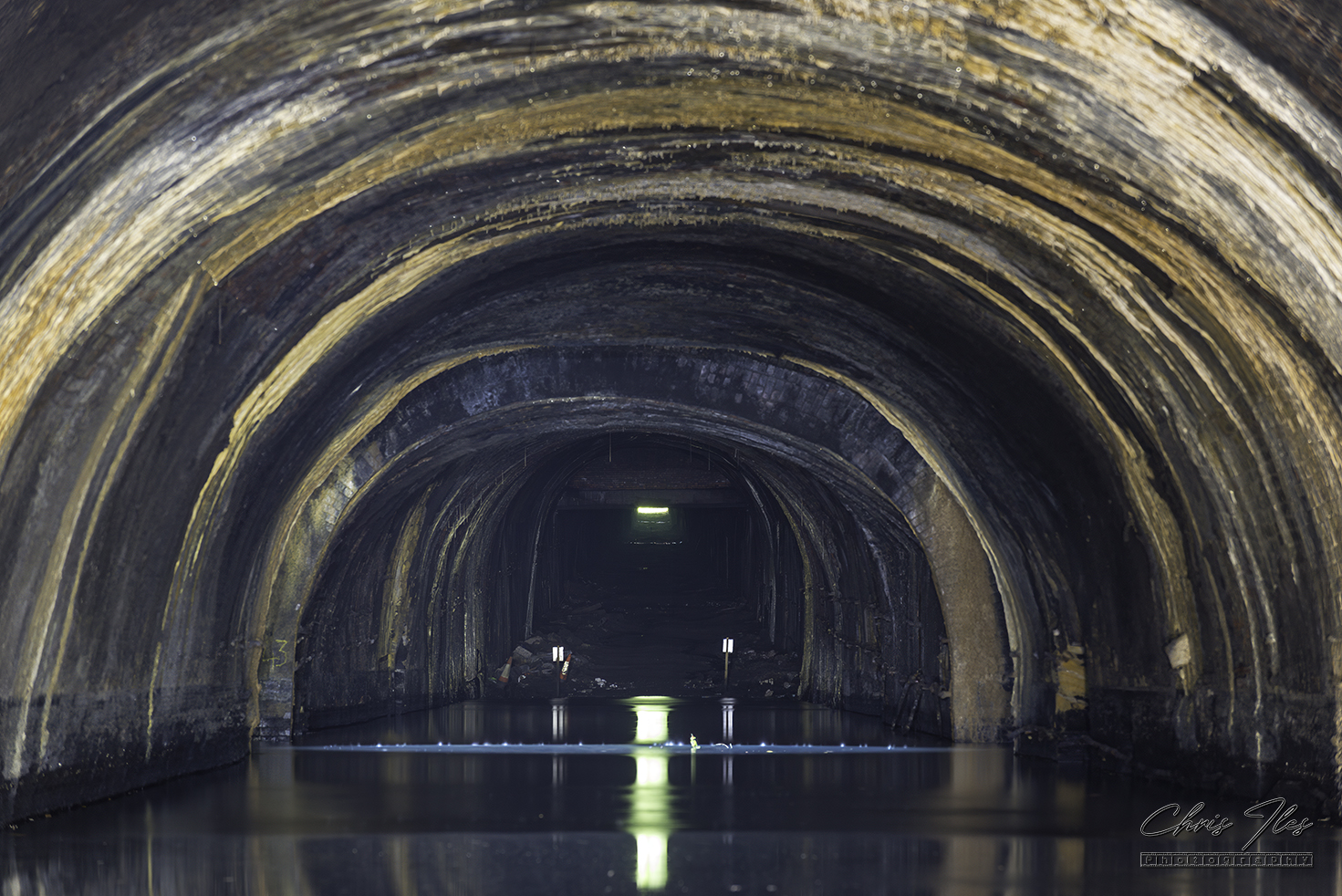
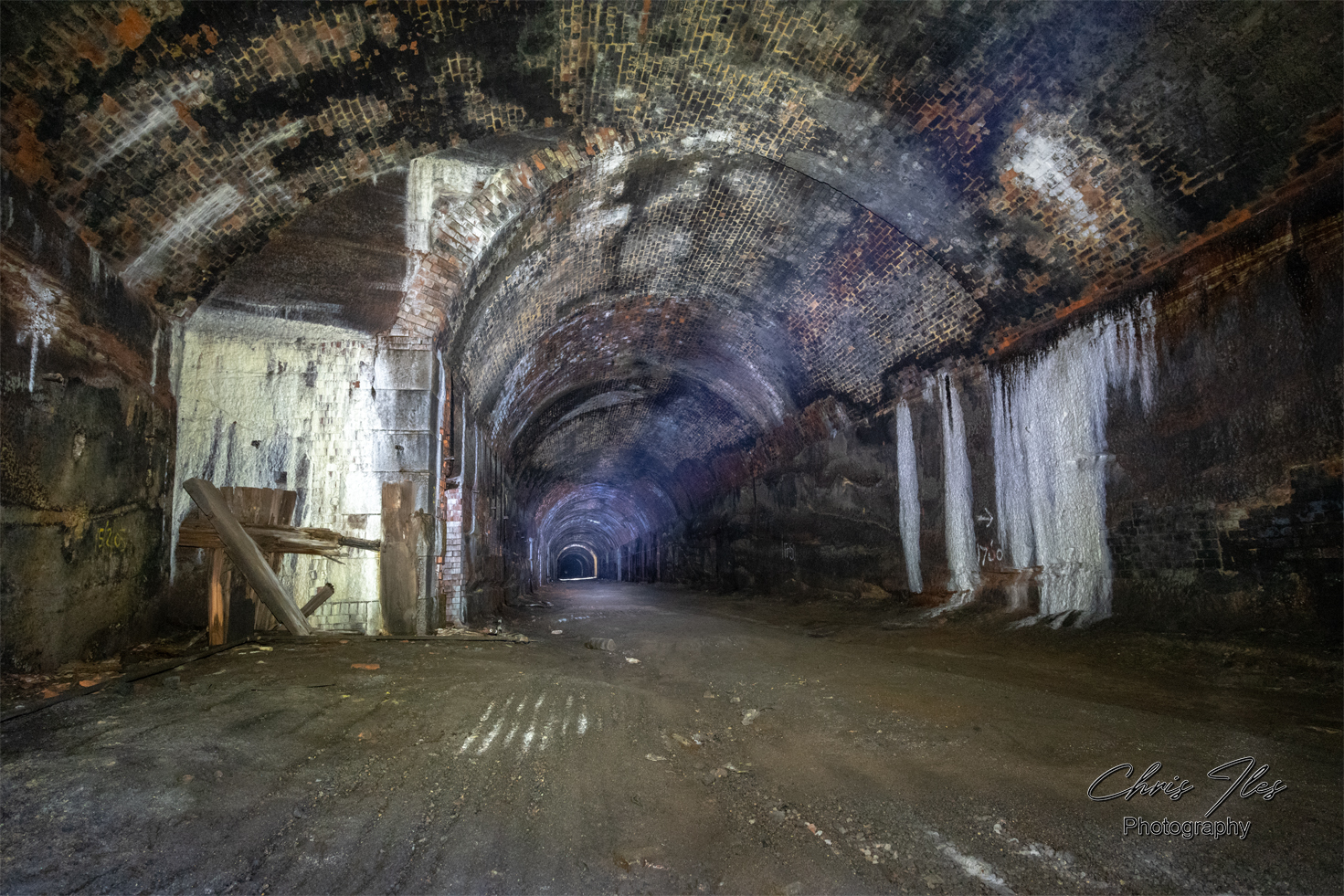
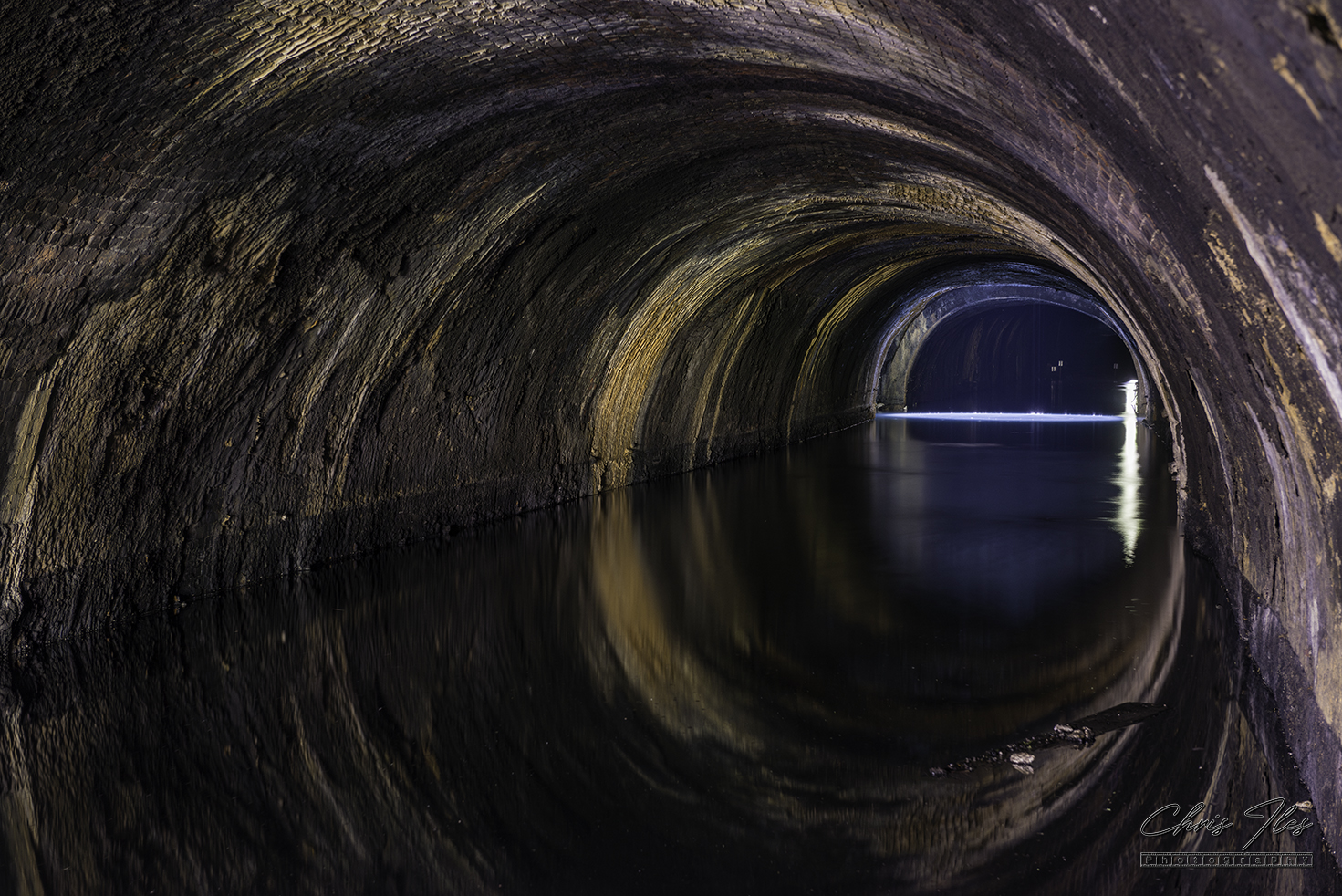
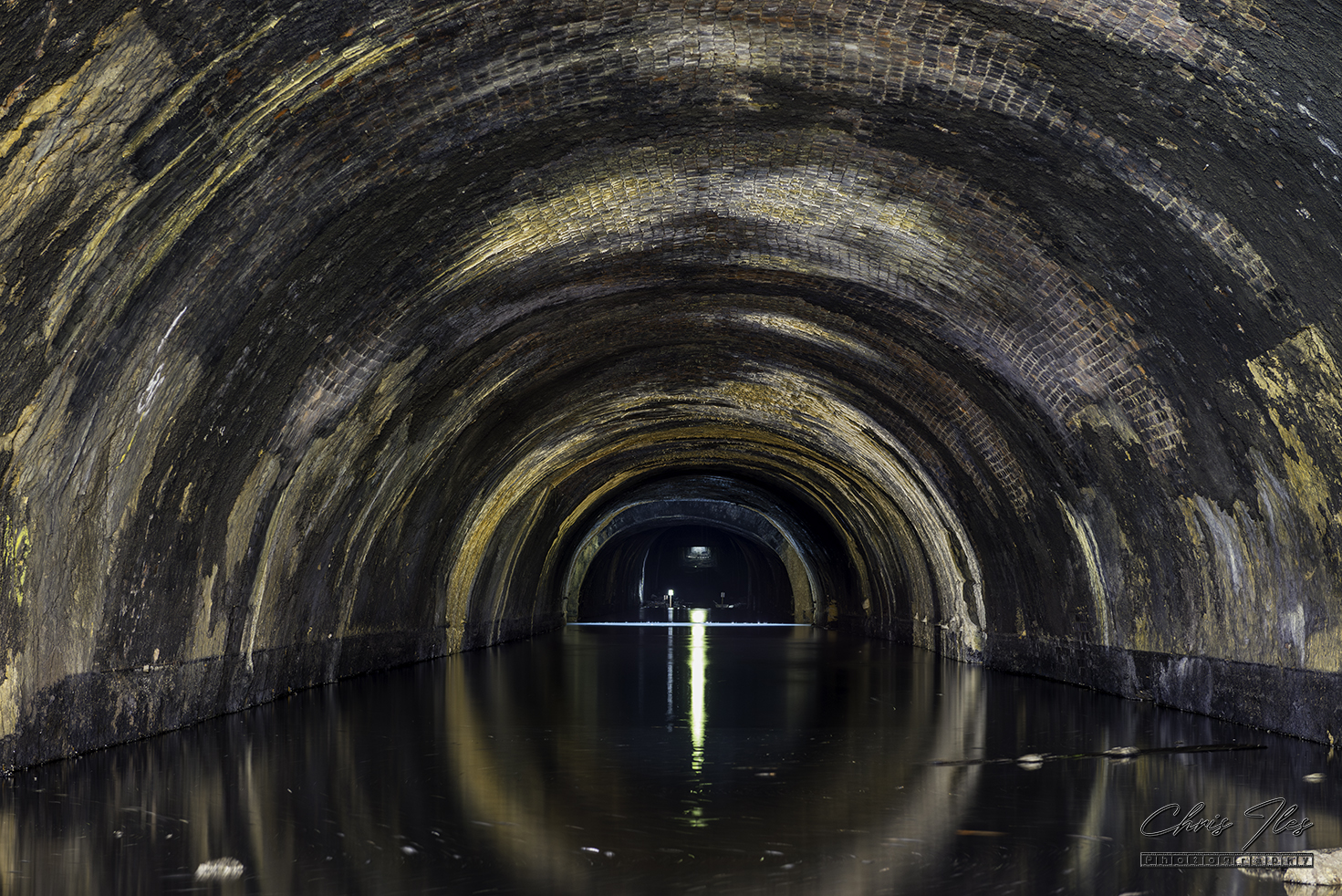
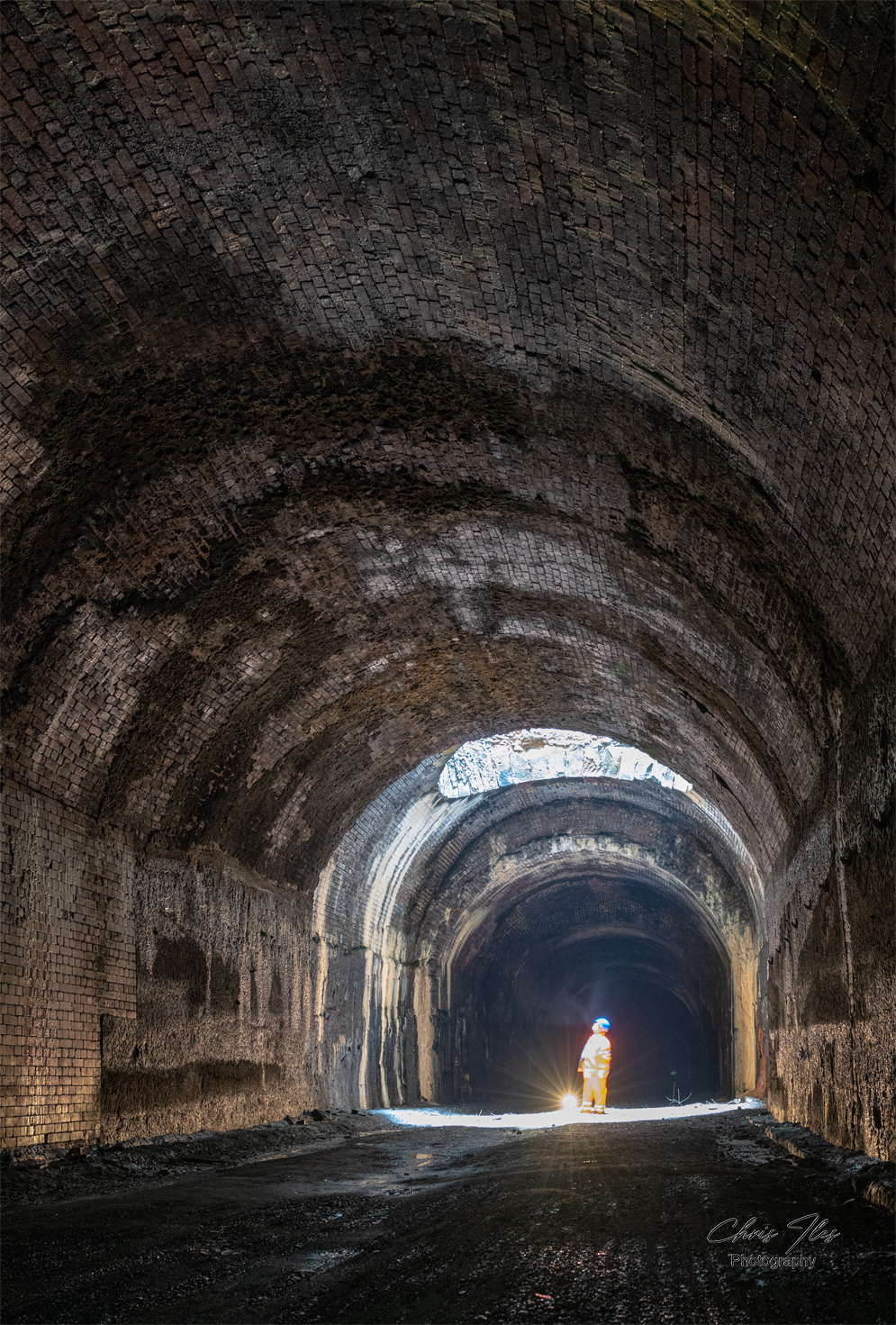
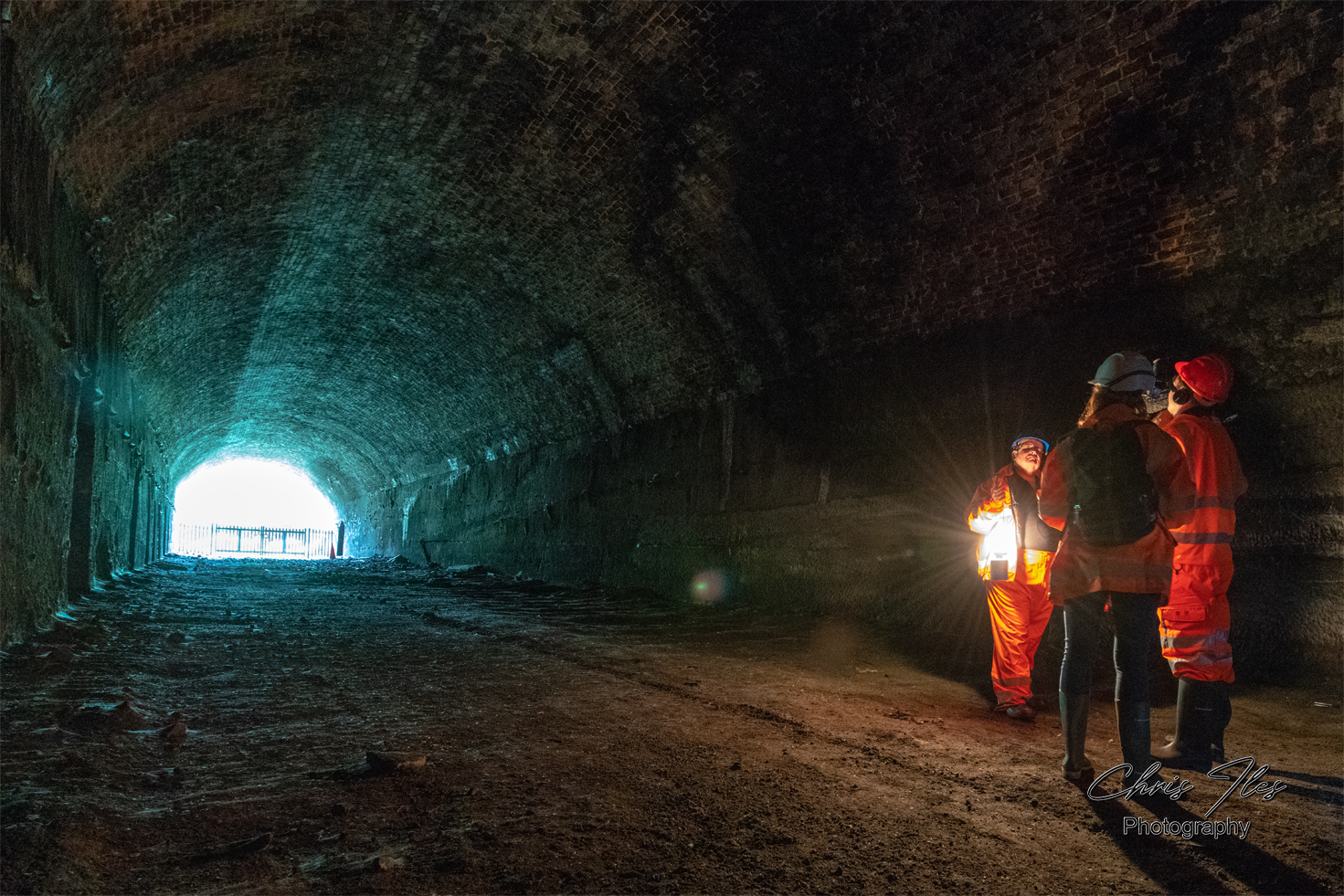
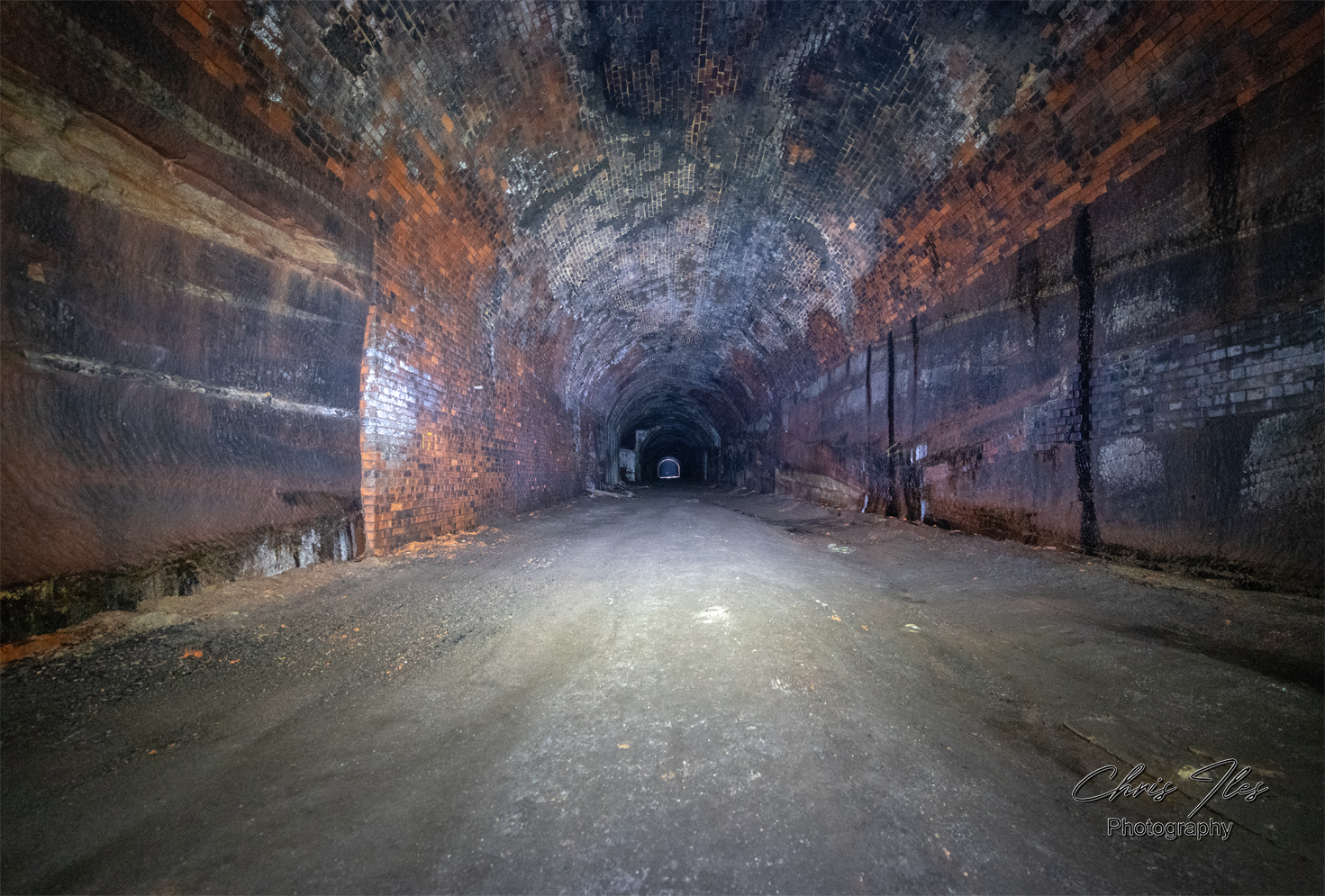
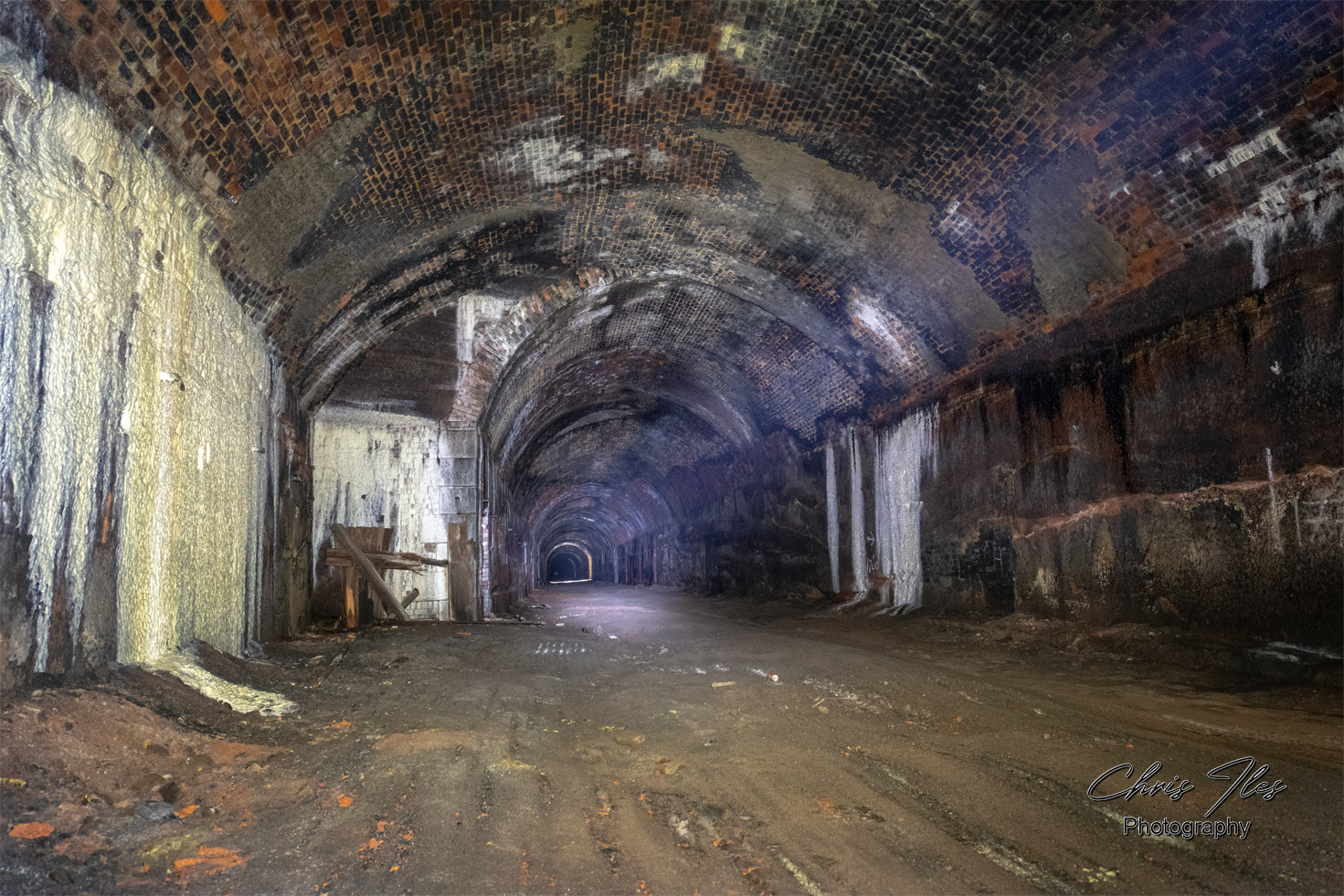
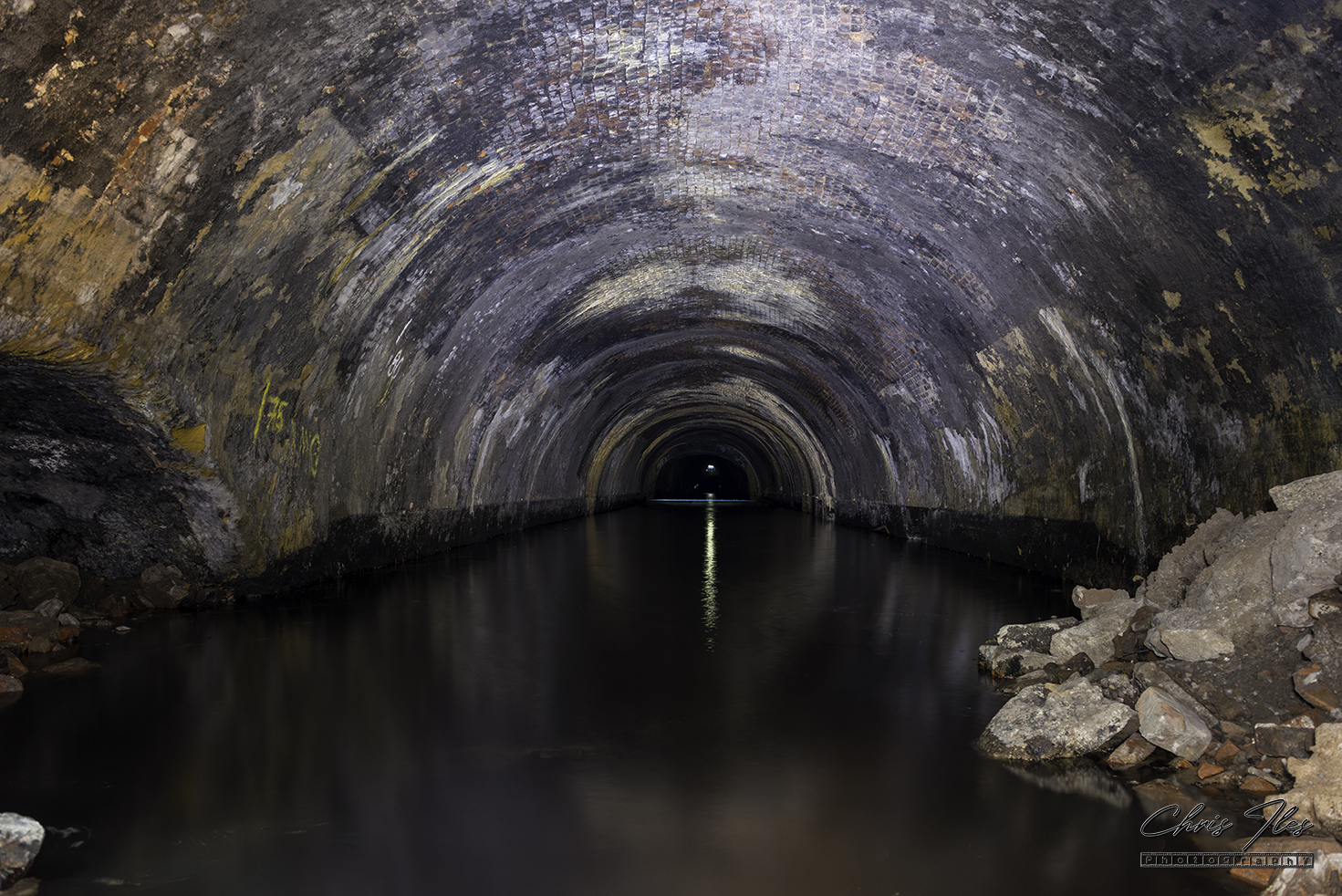
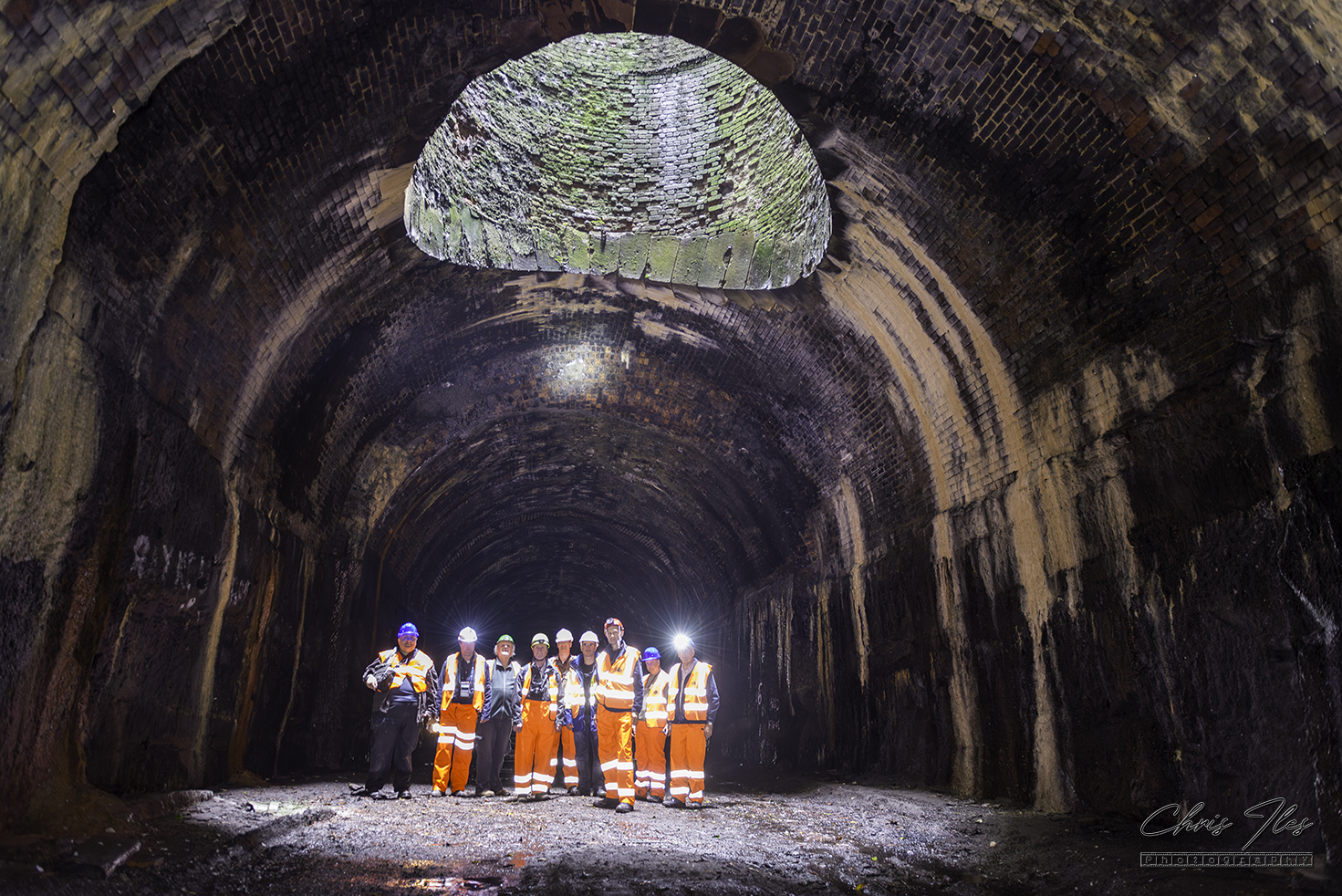
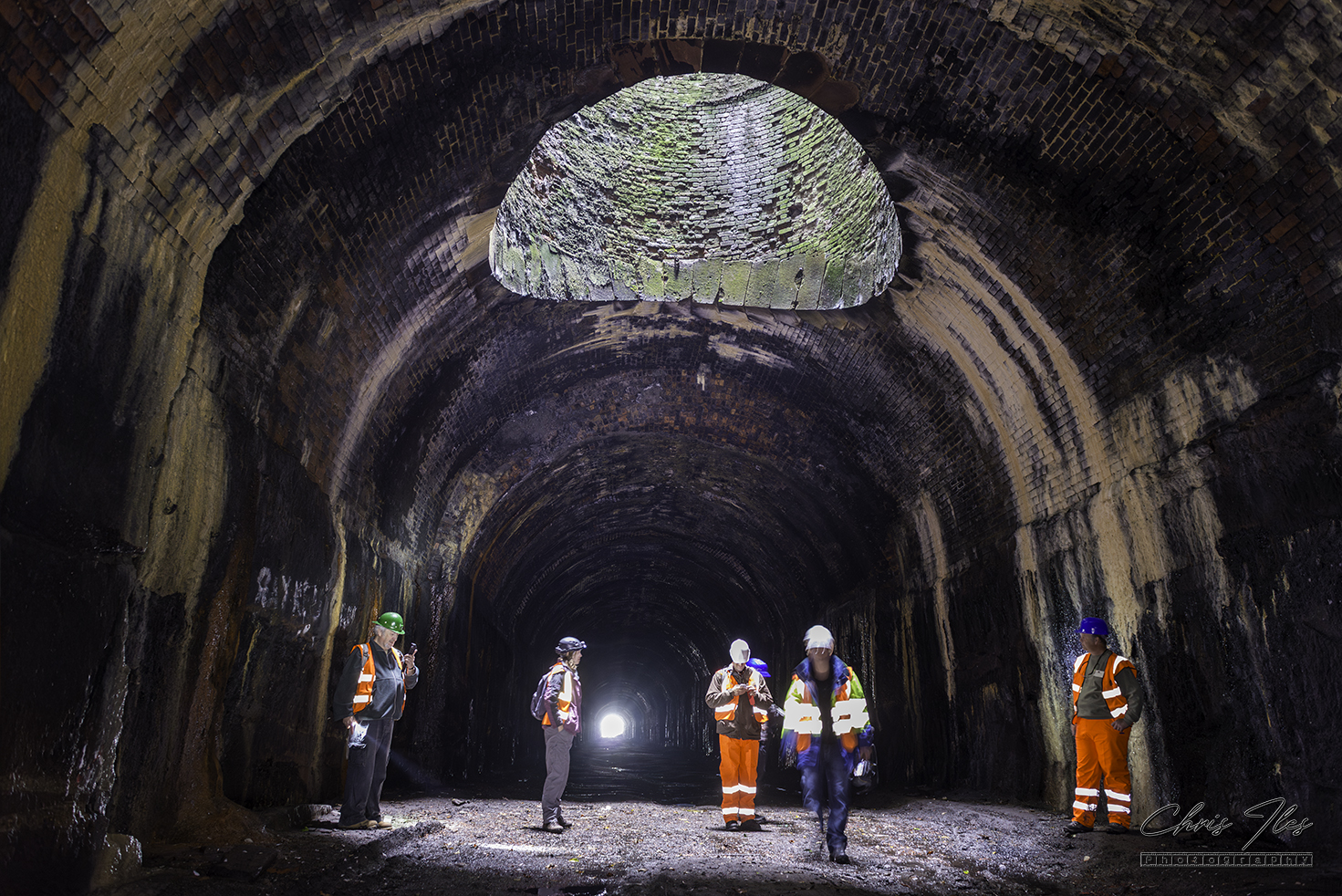
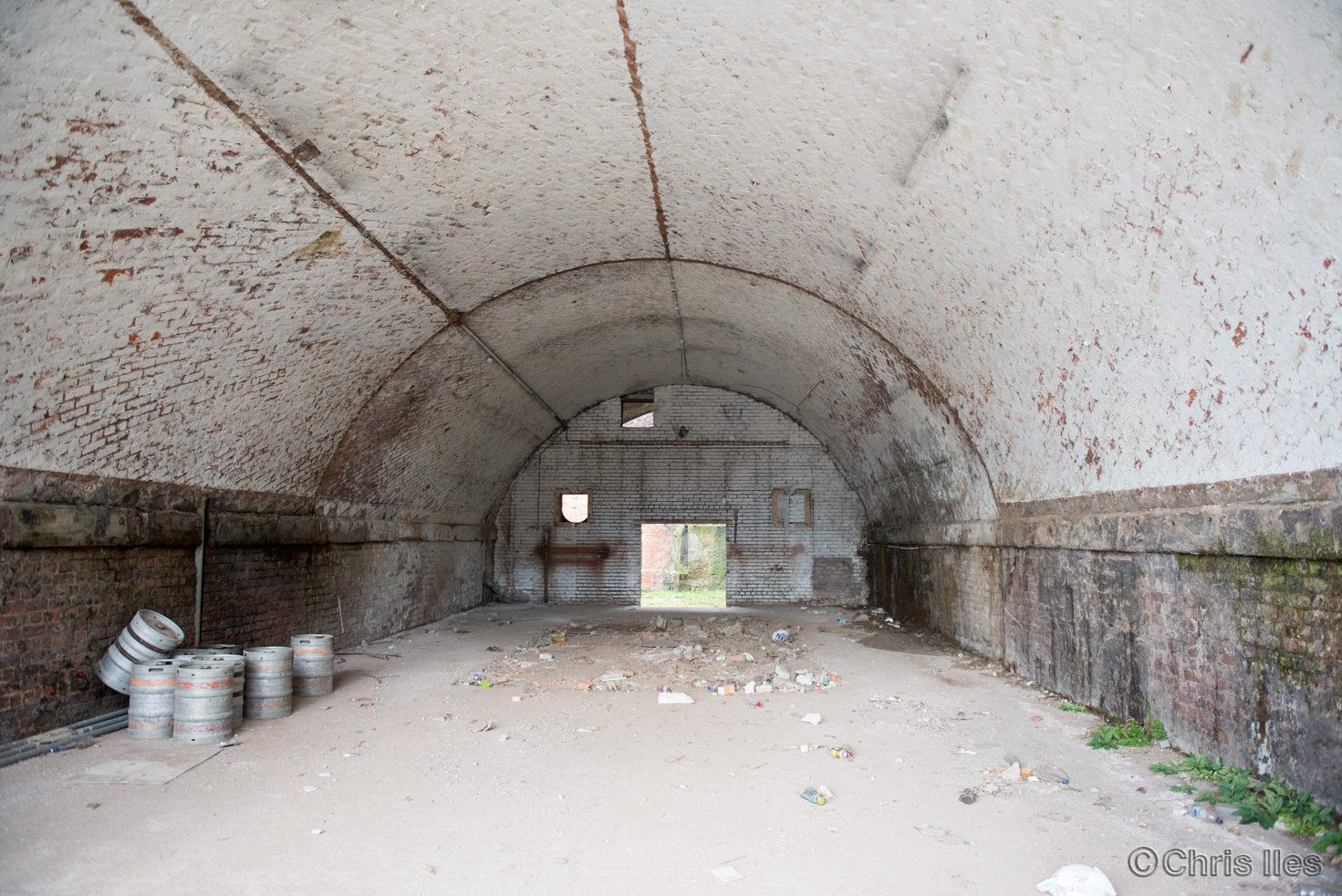
The ‘Wapping Tunnel’ (1.26 mile) was designed by George Stephenson with Charles Vignoles being appointed as engineer. Construction began in 1826, and completed in 1829, before the rest of the L&M Railway was completed. The Wapping Tunnel was even given an official opening ceremony in July 1829, when the Mayor and directors of the L&M Railway, travelled down the tunnel incline in wagons. The tunnel walls were whitewashed throughout it’s length and lit by gas lights. This allowed pedestrians to walk through the tunnel for a time. The tunnel is 22ft wide by 16ft high, on a steep gradient of between 1 in 38 & 1 in 48. The Wapping Tunnel was the first railway tunnel in the world to be built beneath a city, which was quite an achievement at the time. Built to provide a link through to Liverpool’s docks, emerging from Edge Hill into Park Lane goods Station near Wapping Dock. Due to the steep gradient of the tunnel, Trains descended to the docks using gravity and hauled back up to Edge Hill by cable. This cable was powered by stationary steam engines, located in the chambers in the North wall of the Wapping Cutting.
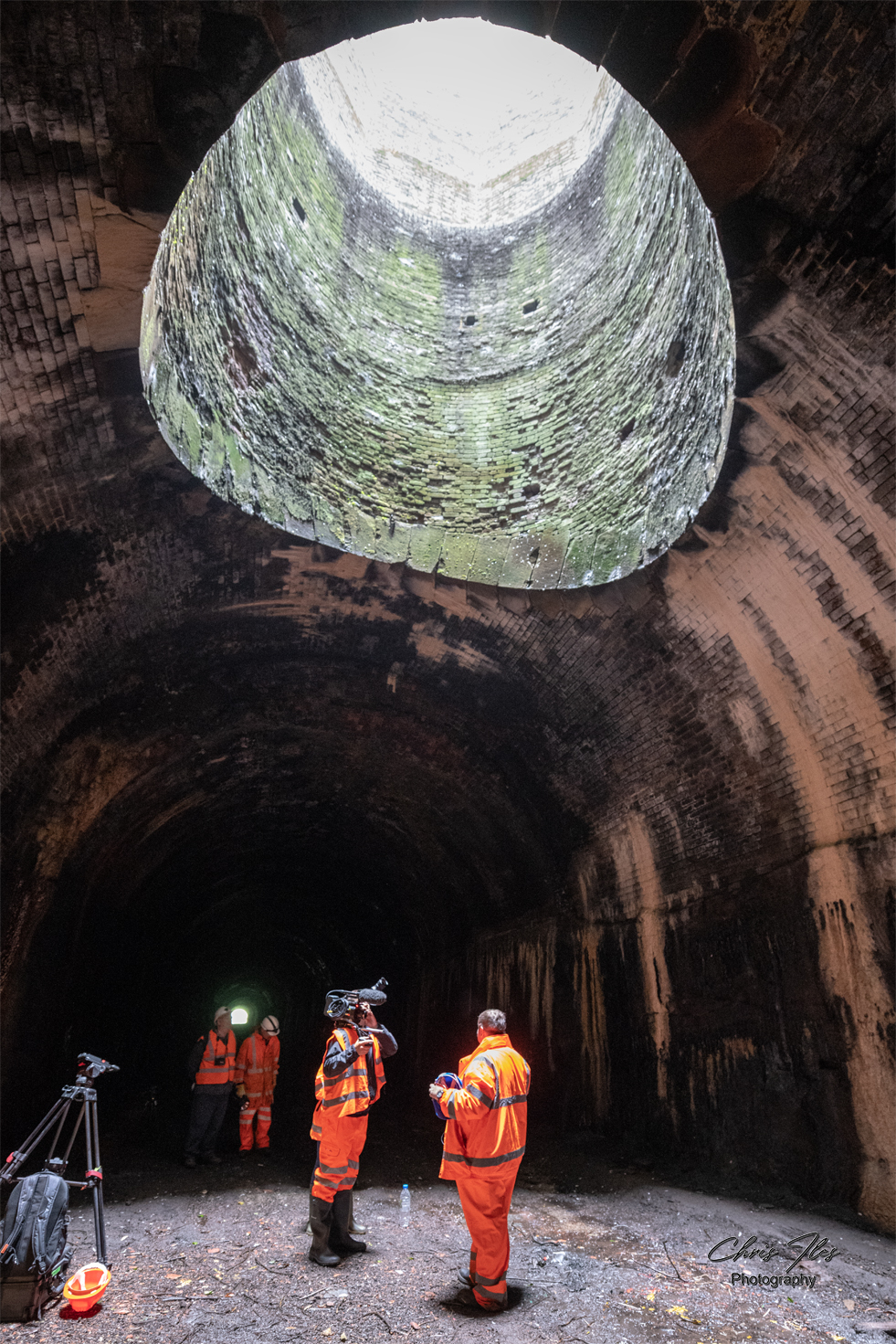
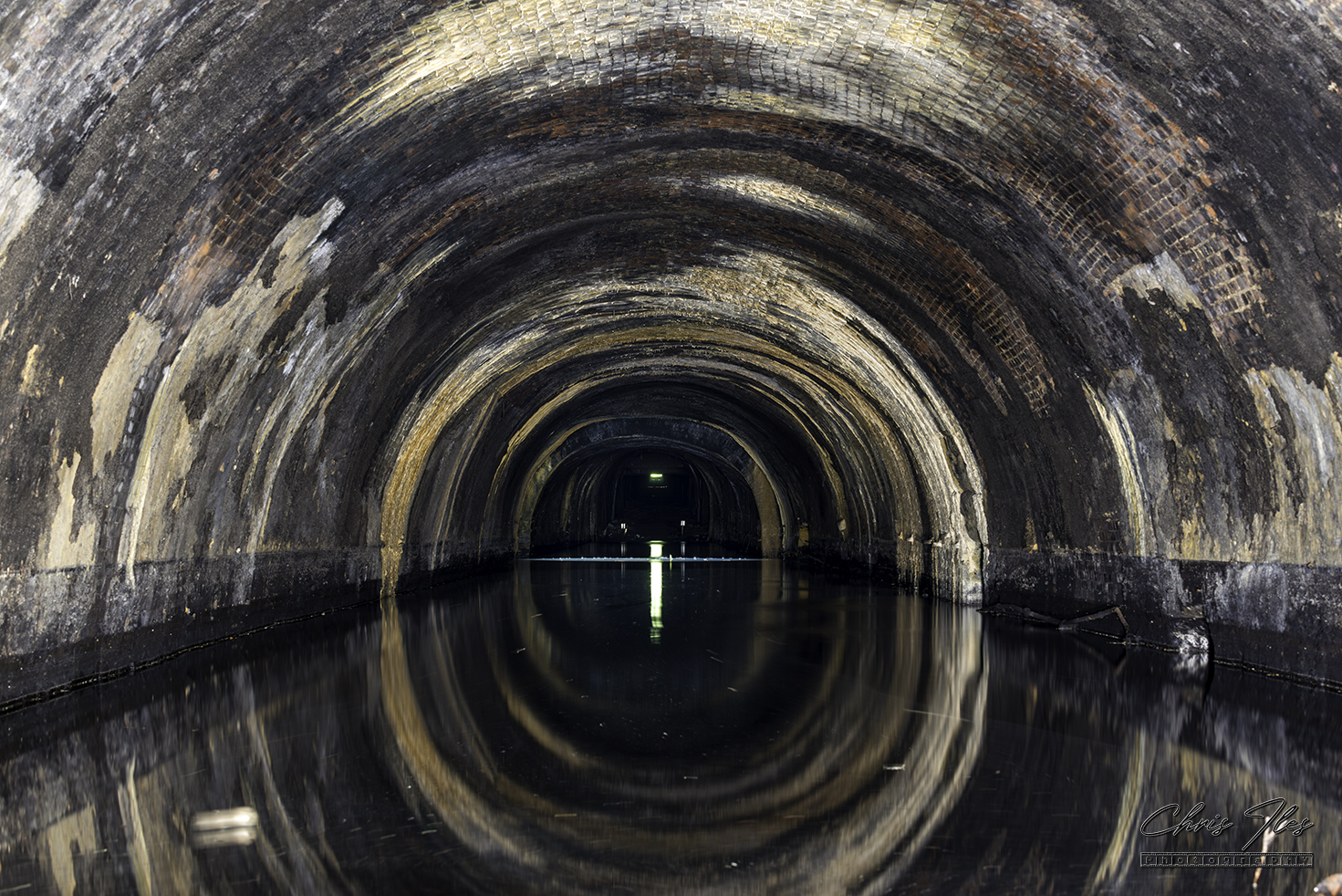
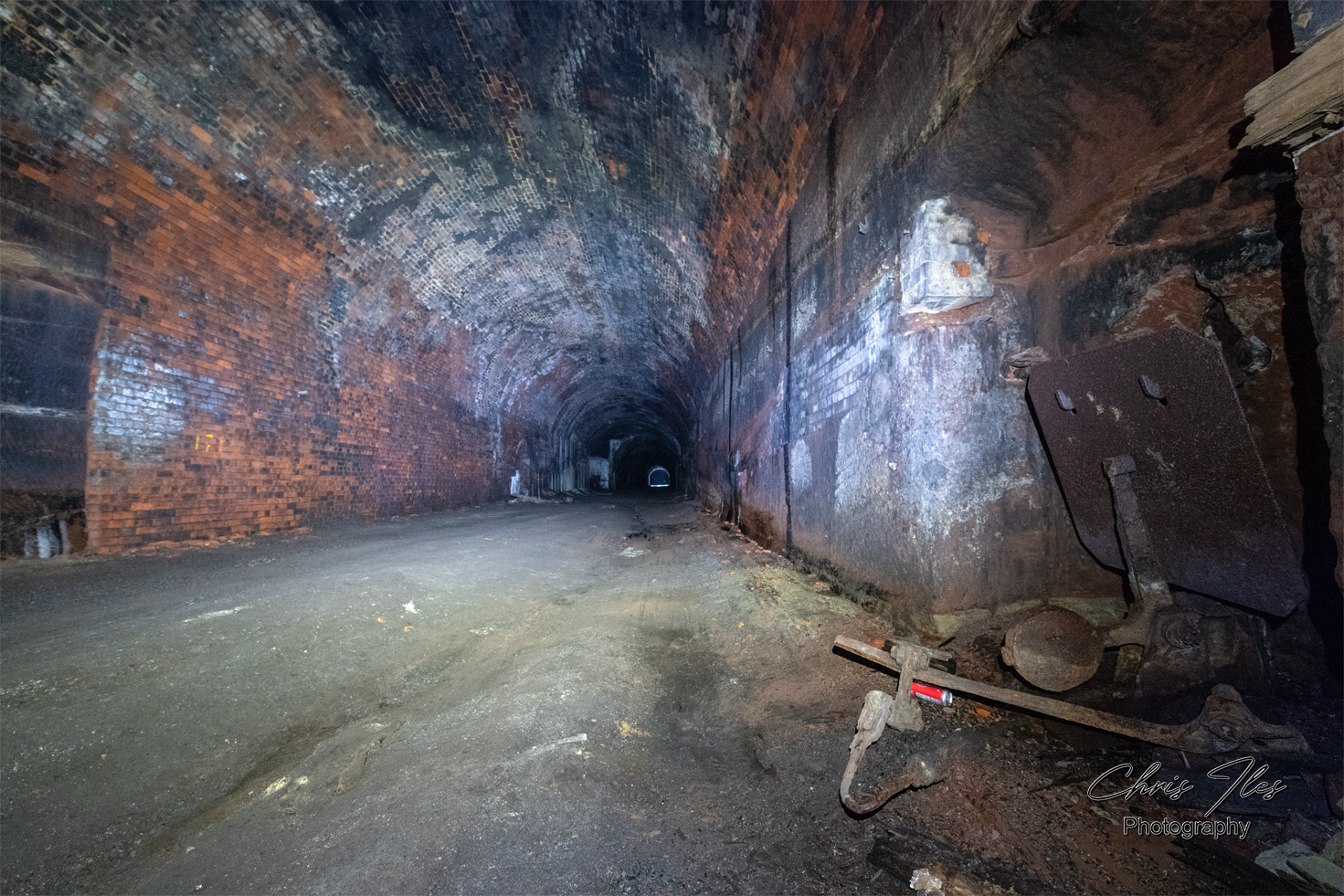
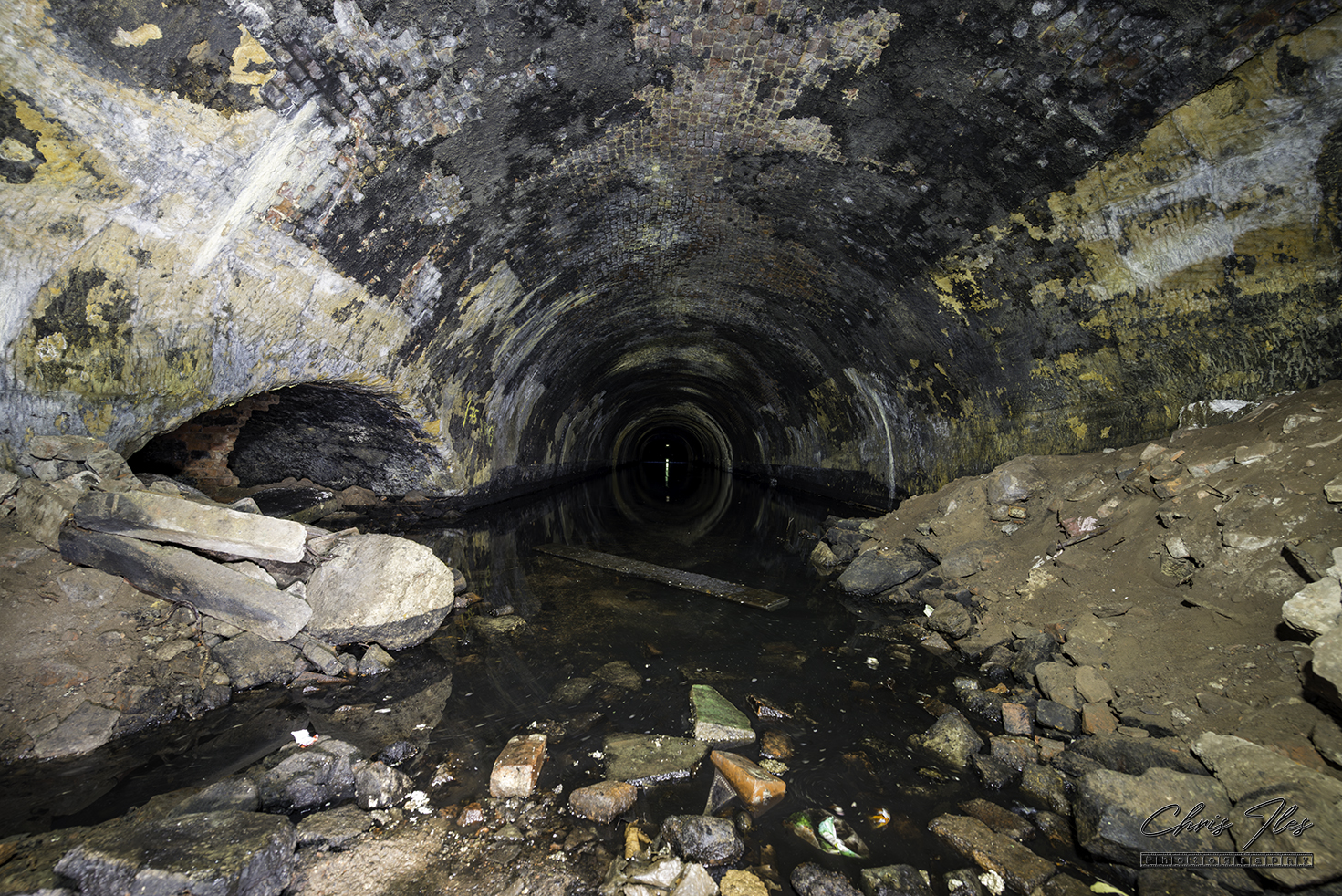
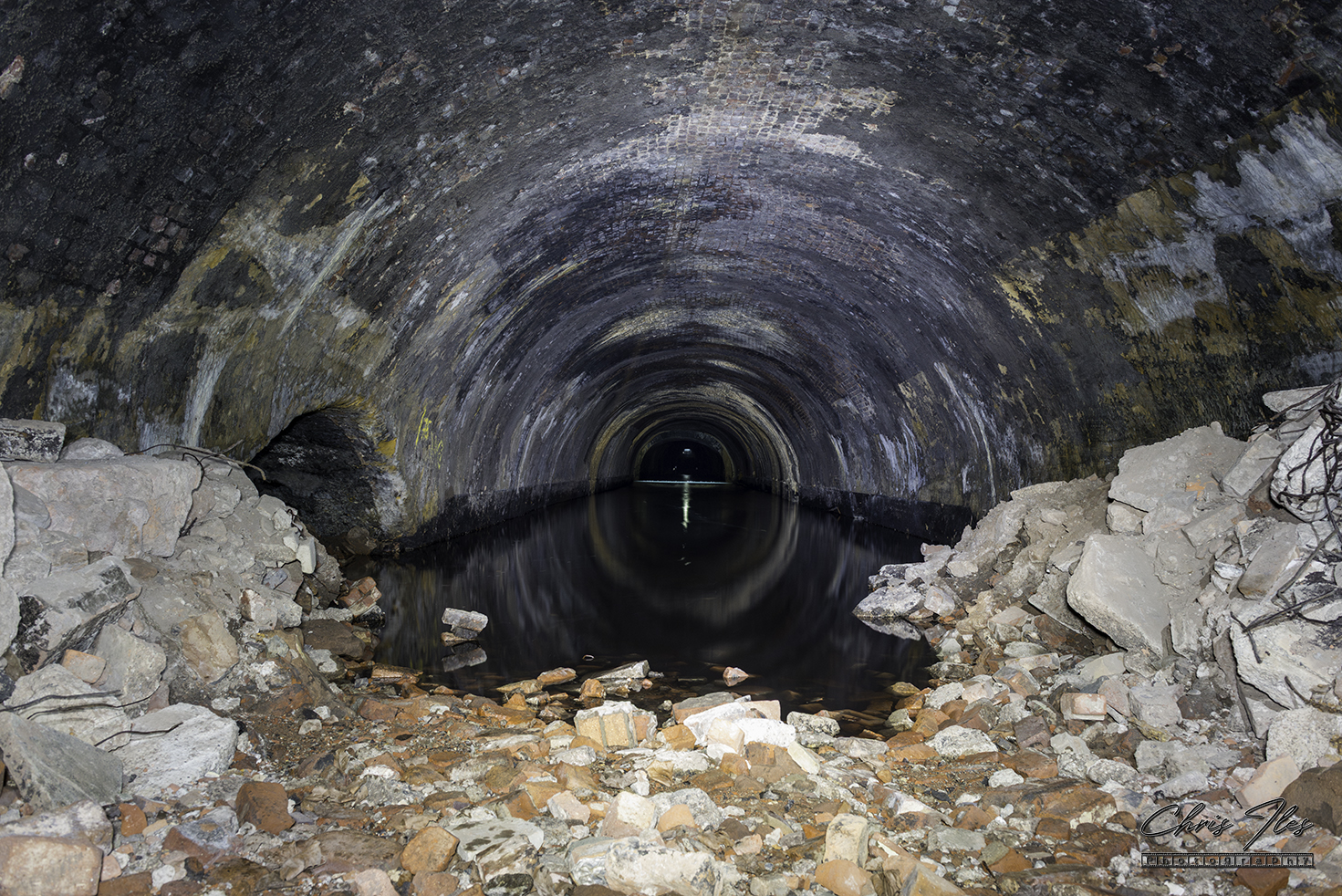
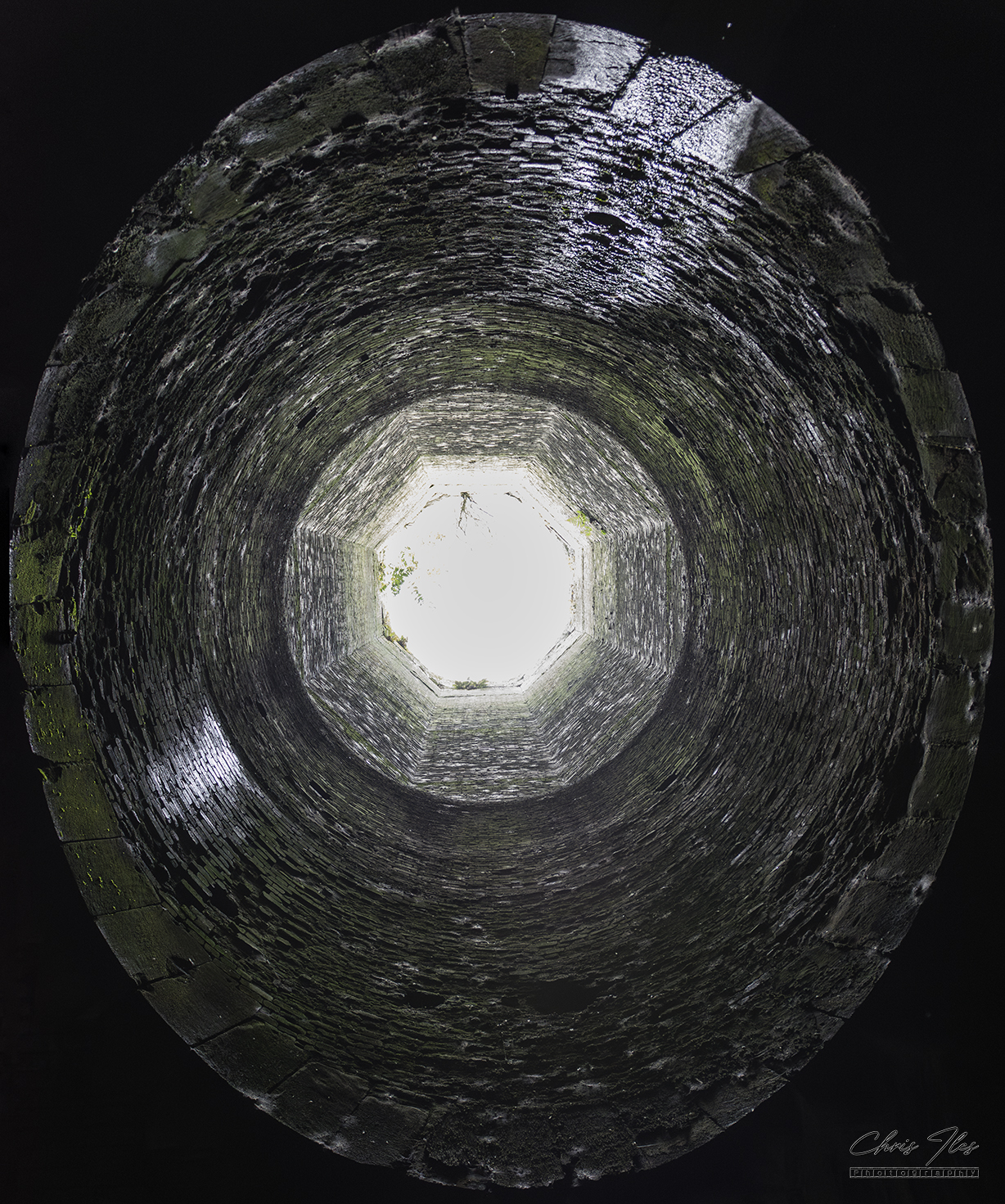
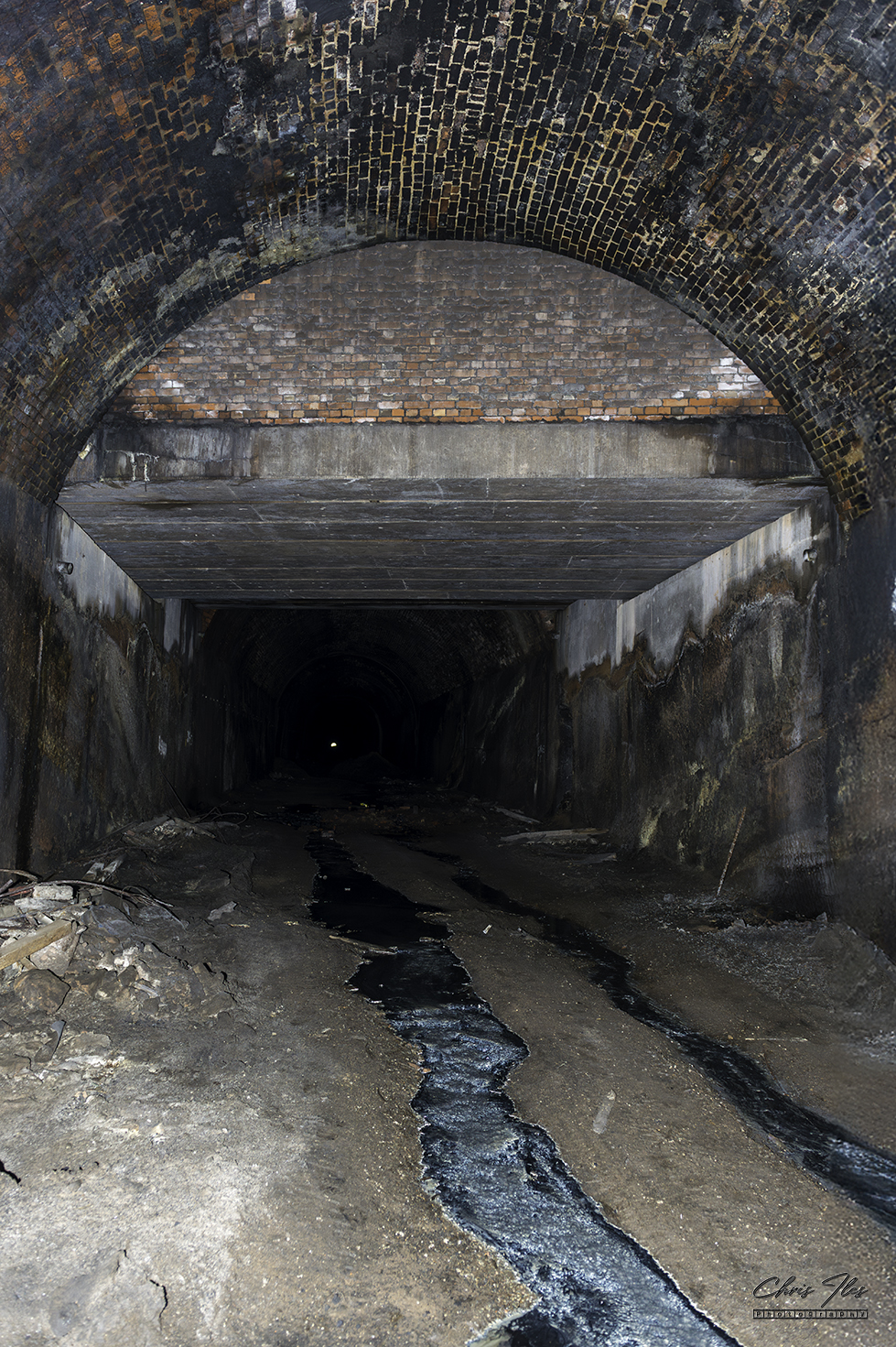
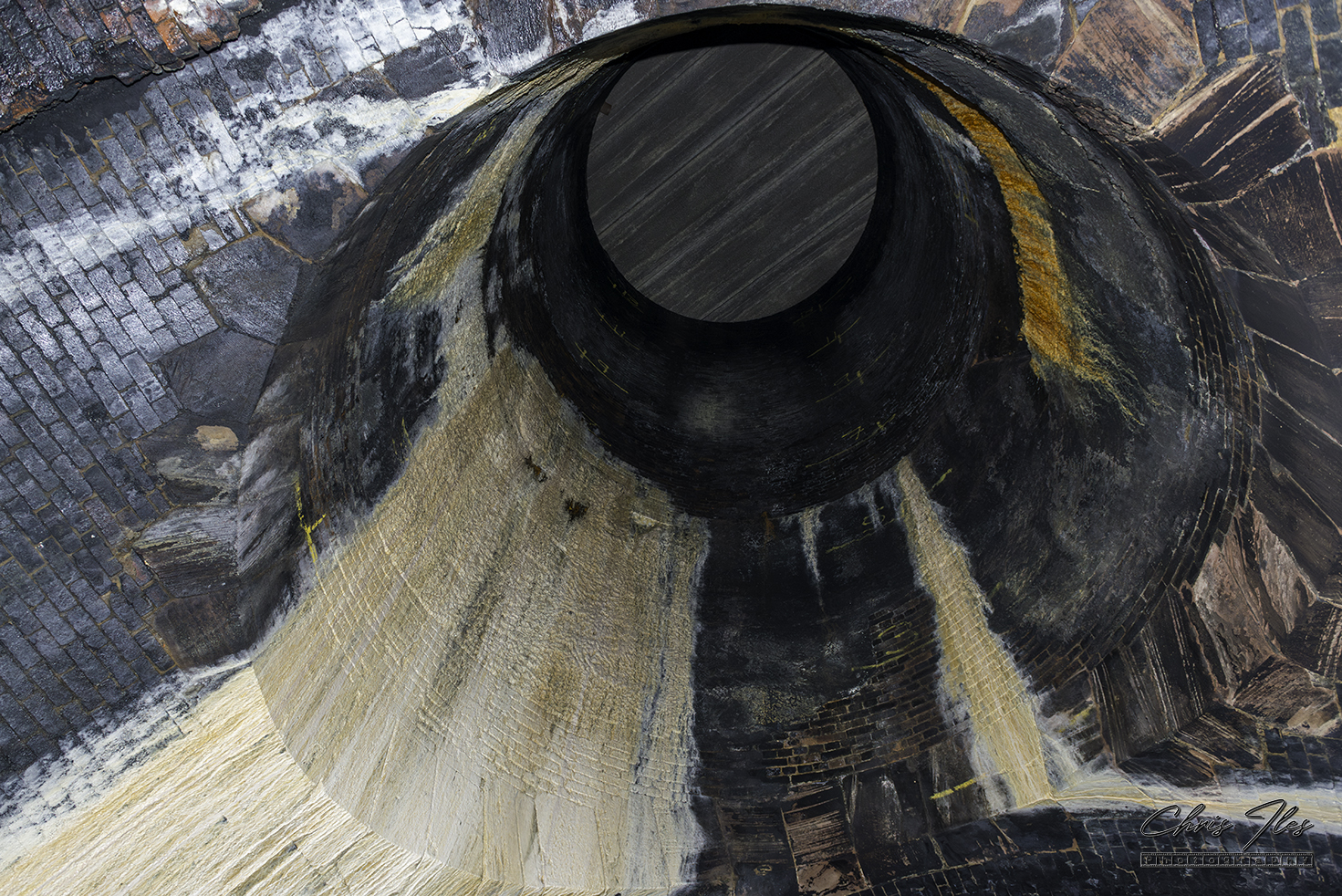
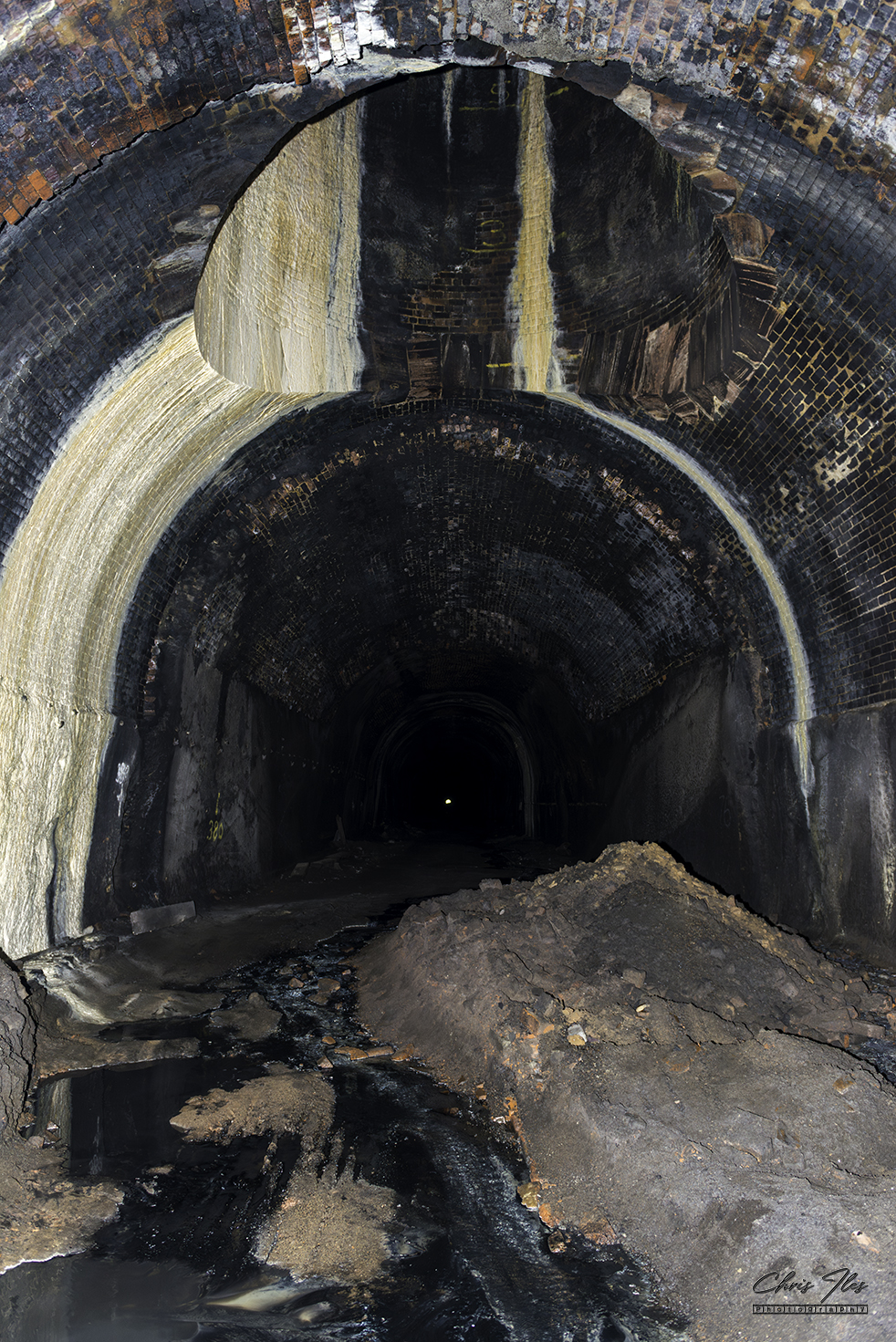
The following images were taken from various locations in the Wapping Tunnel. Including some that were taken from the Crows Foot/Kings Dock end of the Tunnel. These long distance views through the tunnel, looking towards Edge Hill, across the flood water. Shown in the distance, where the Northern Line protrudes through the top of the arch of the tunnel, reducing the available headroom within. Light can be seen penetrating the darkness of the tunnel, through the various ventilation shaft’s throughout the length of the tunnel, including the first in Crown Street Park.

Wapping Cutting | 1829 Crown Street Tunnel | 1846 Crown Street Tunnel | Crown Street Station/Park | Wapping Crows Foot | Maps
1829 Crown Street Tunnel
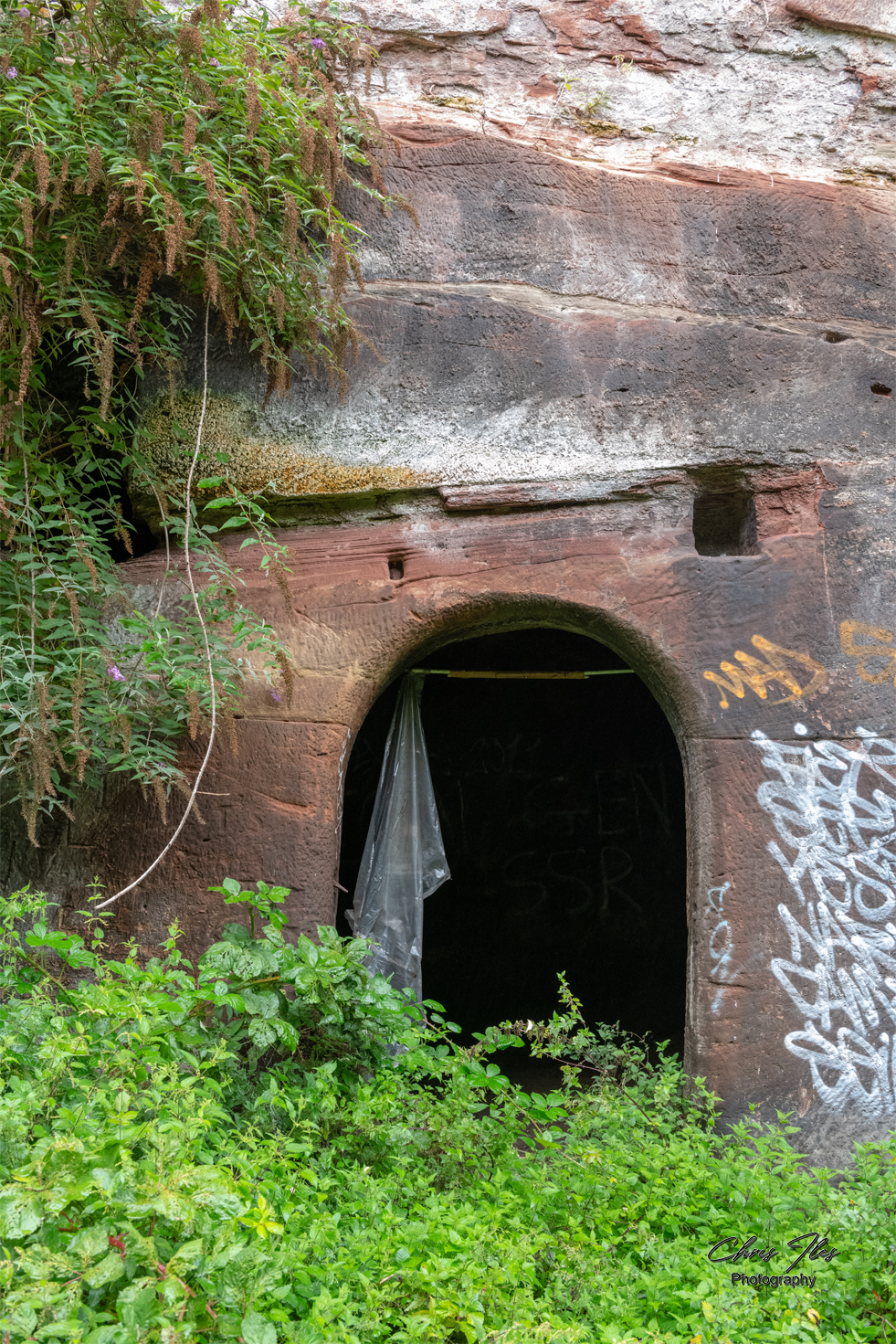
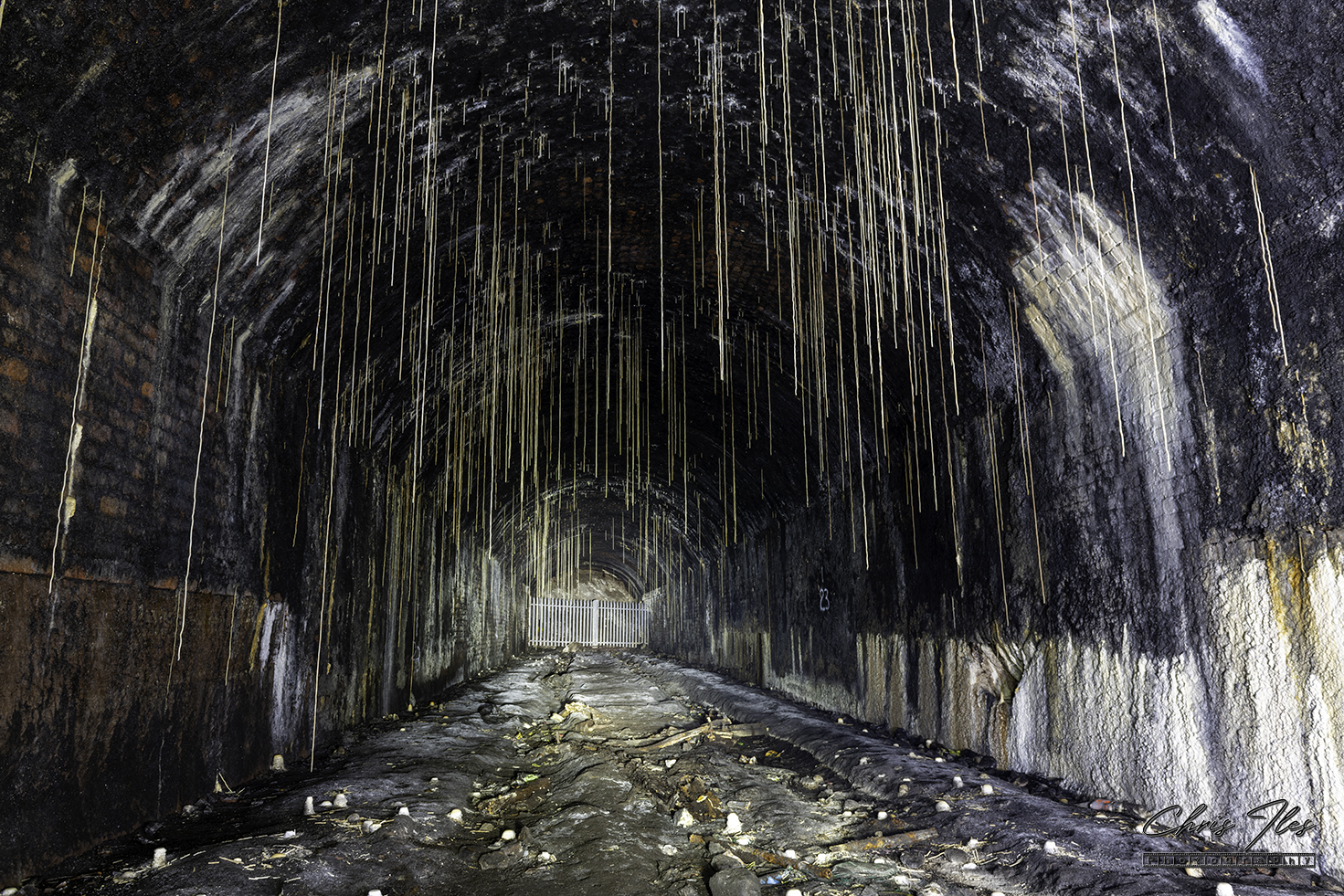
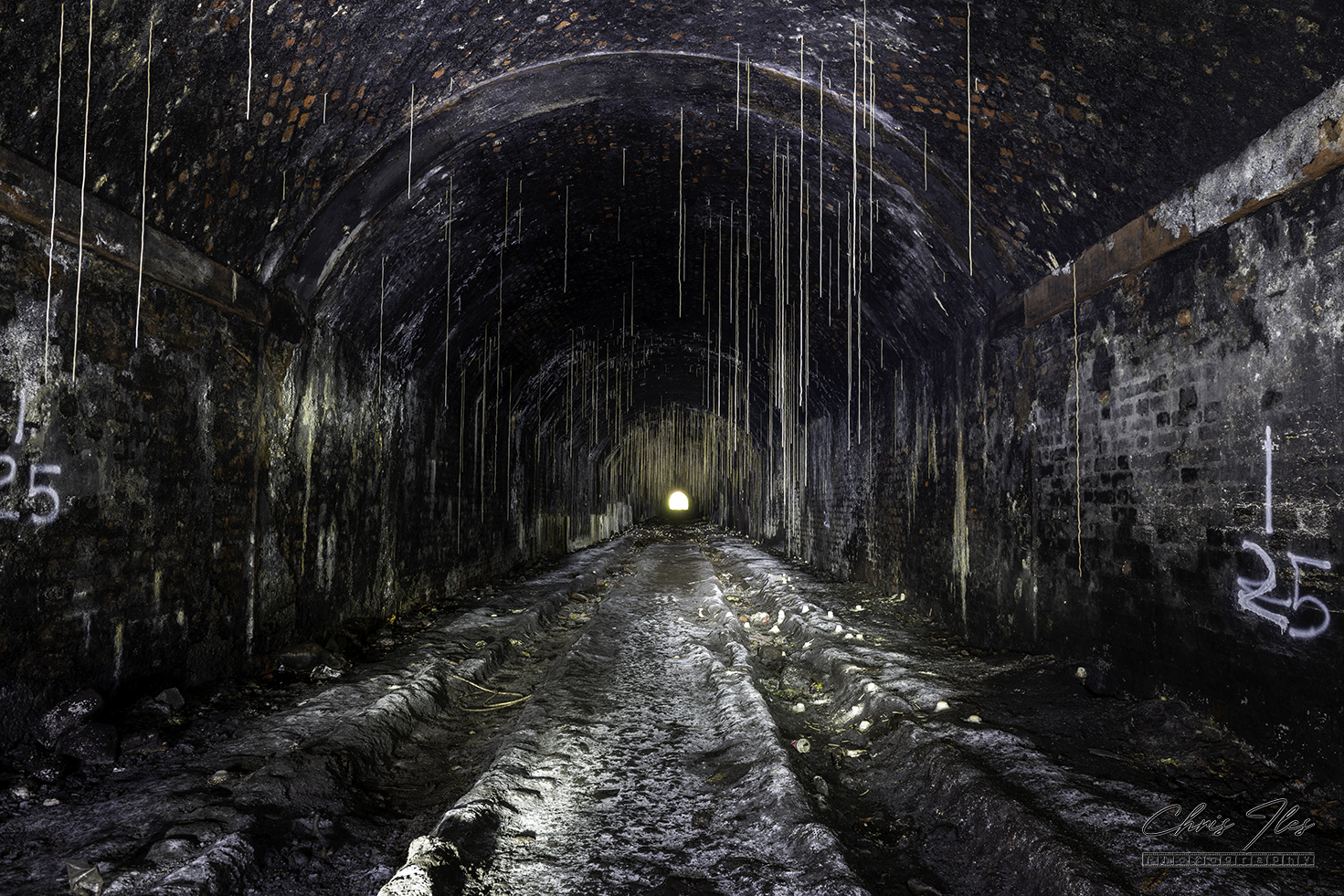
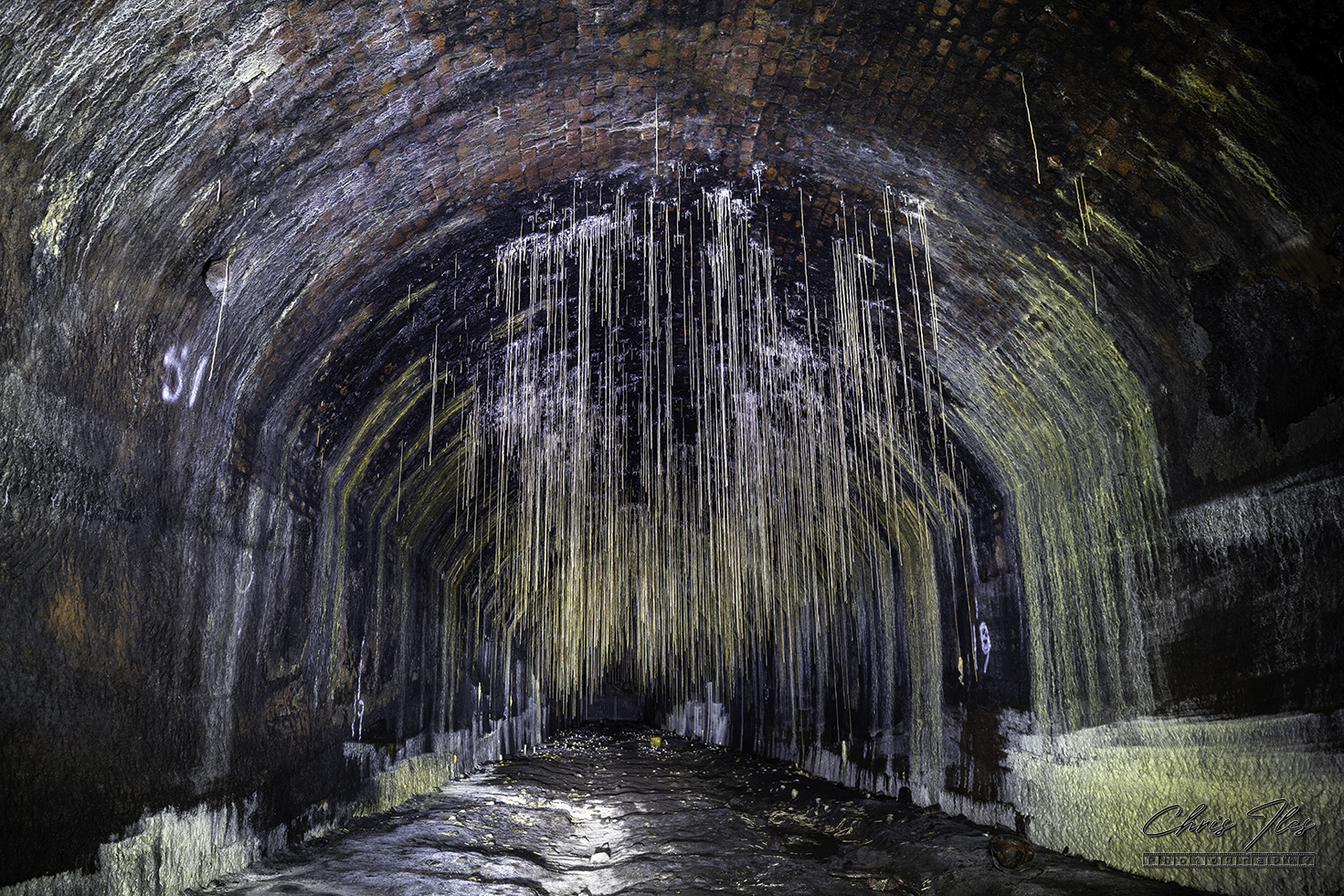
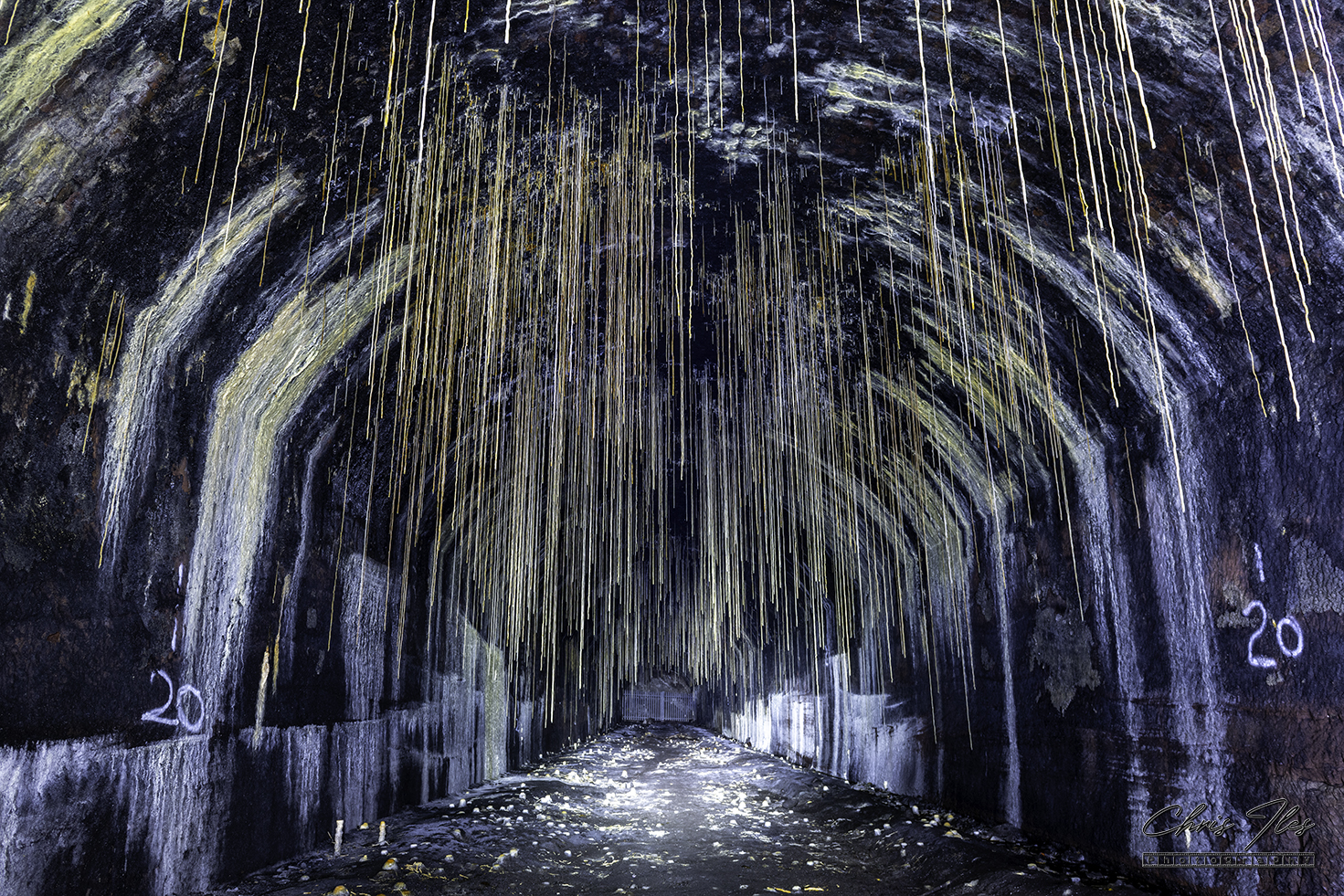
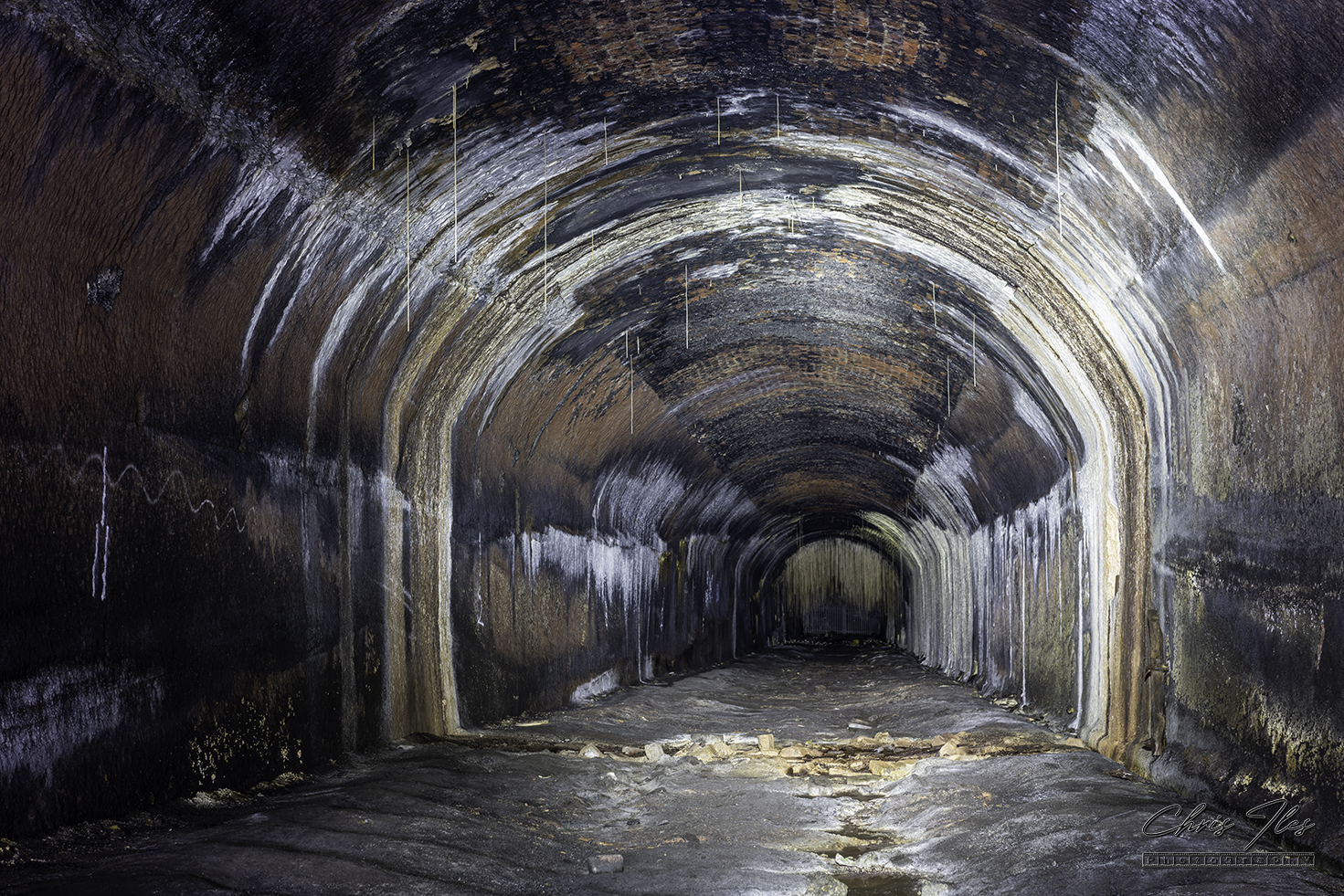
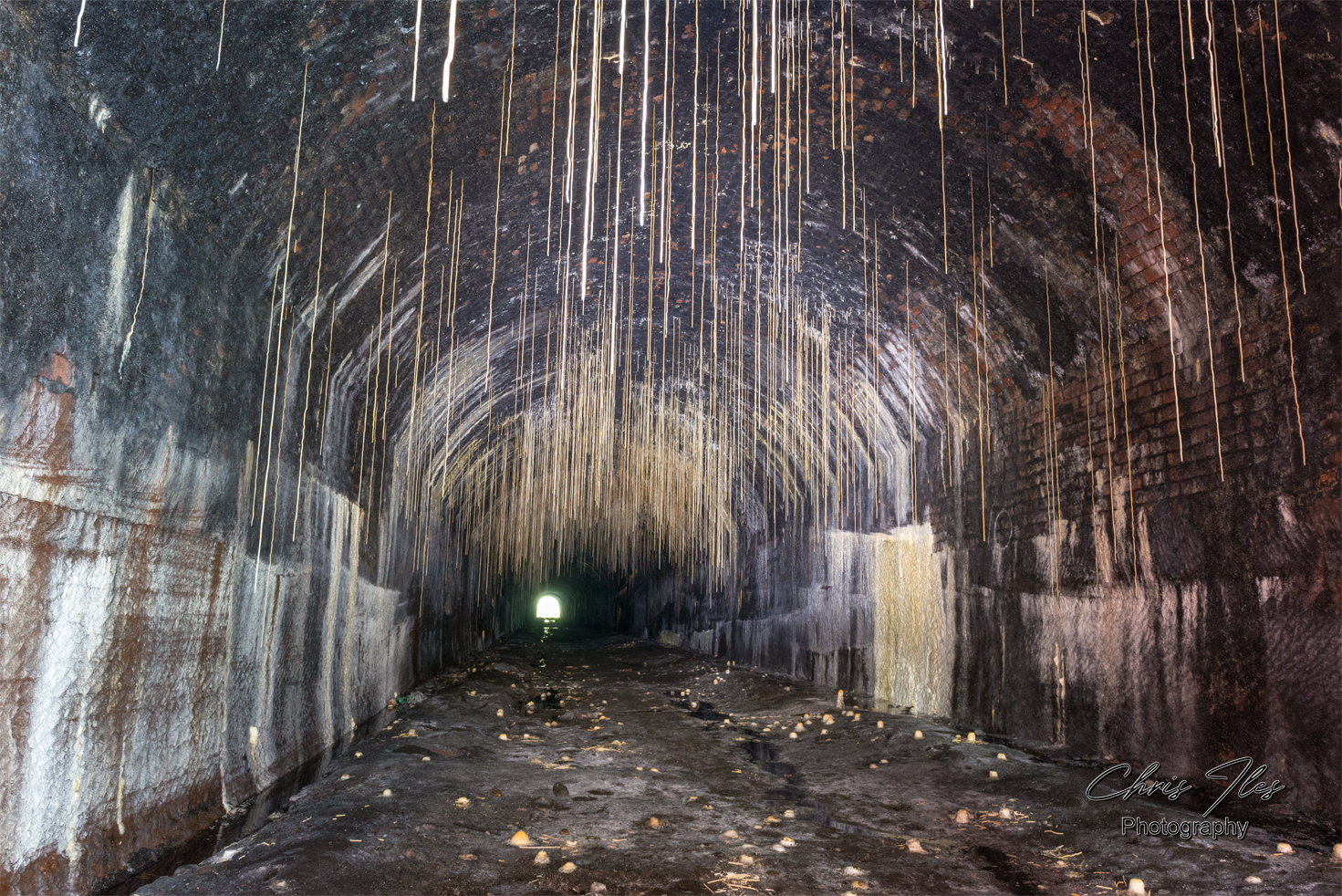
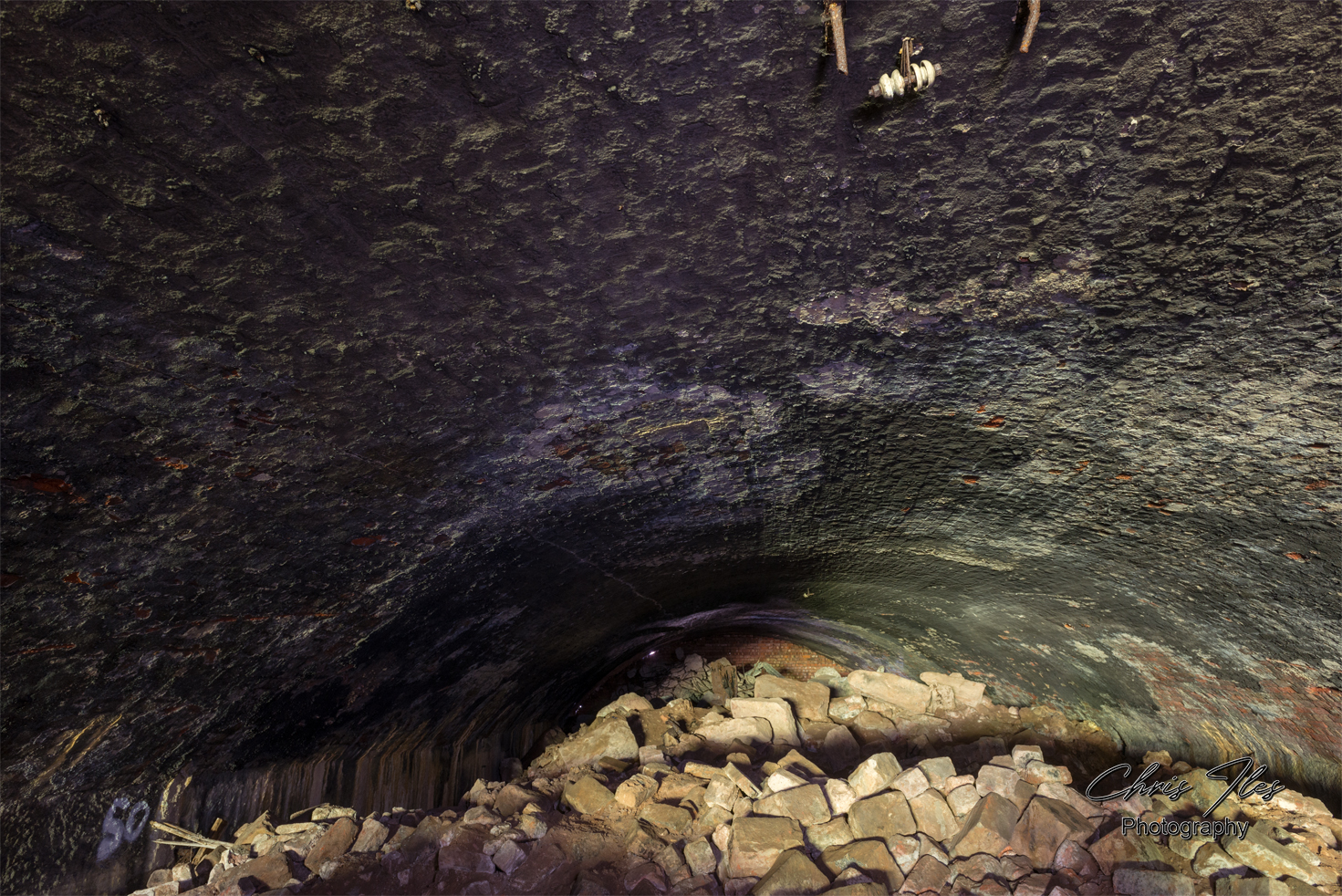
The original, ‘1829 Crown Street Tunnel’, 291yd in length, leading to the original Crown Street Station, Liverpool’s first terminus passenger station. Trains descended the Crown Street Tunnel by gravity and were hauled back up into the Wapping Cutting, where a Loco would be attached for the onward journey to Manchester. The station at Crown Street was closed on 15th August 1836 when the new ‘Liverpool Lime Street Station‘ opened in the city centre. However, Crown Street remained open as a freight and coal yard until finally closing completely on the 1st May 1972. The old station site is now unrecognisable, having been landscaped and turned into Crown Street Park. The original tunnel portal does still exist, however it was backfilled and buried beneath a grass bank making it inaccessible. In the Crown Street Tunnel today, there is a lovely feature in the form of a curtain of very fine Stalactites, hanging from the Arch of the Tunnel. Whilst on the floor of Tunnel are lots of small Stalagmites, mounds of mineral deposits that grow upwards, caused by the dripping of water from the Stalactites above.
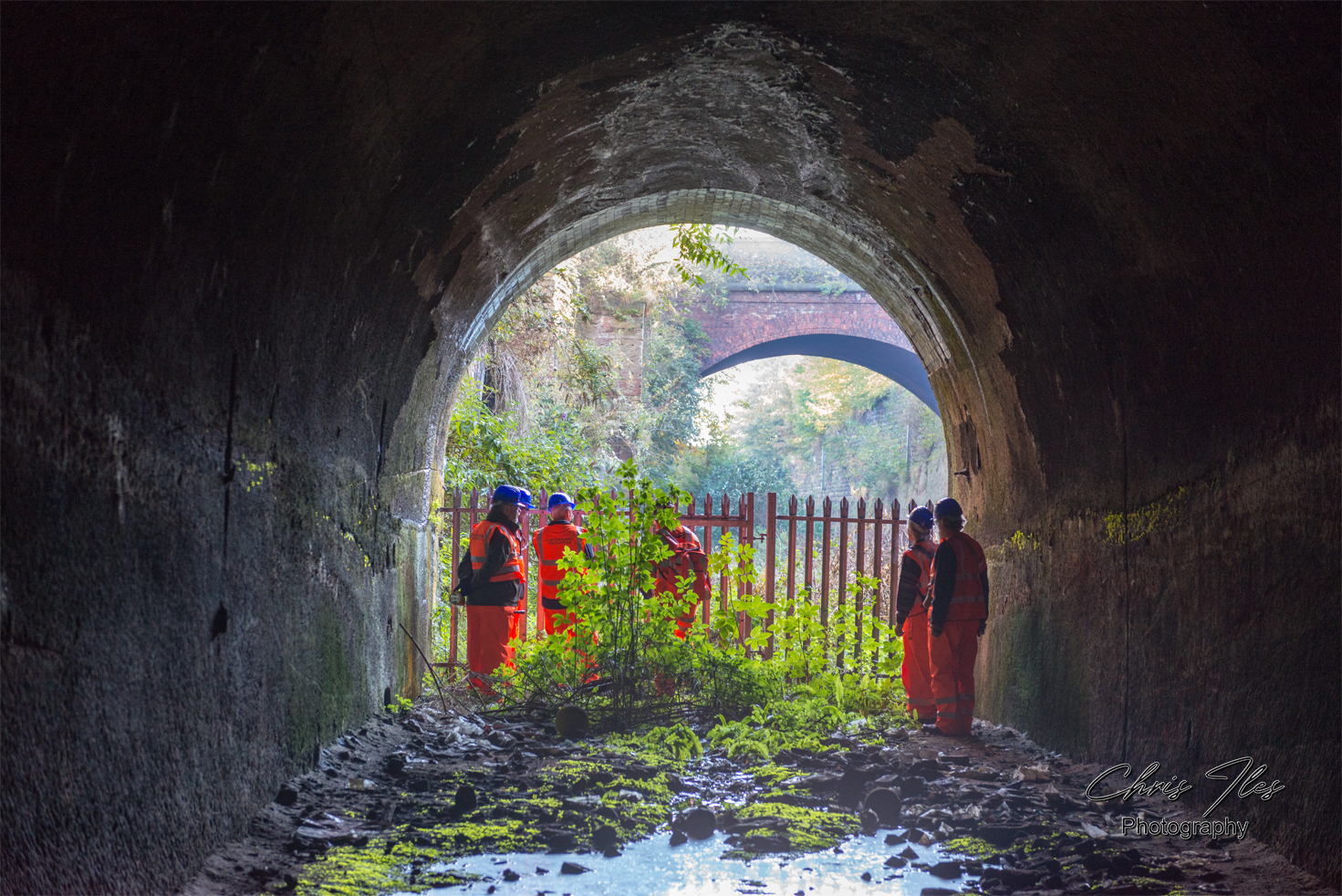
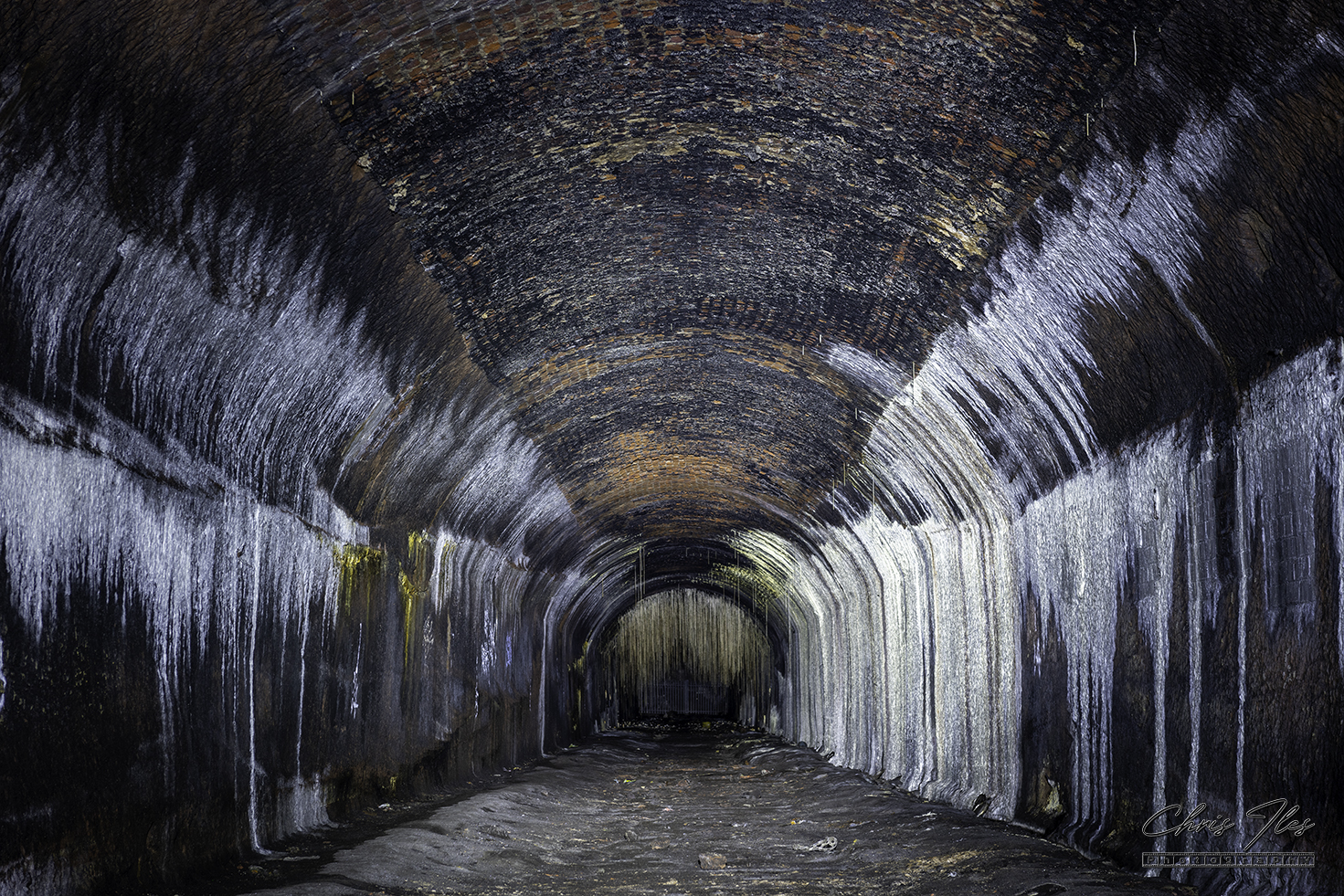
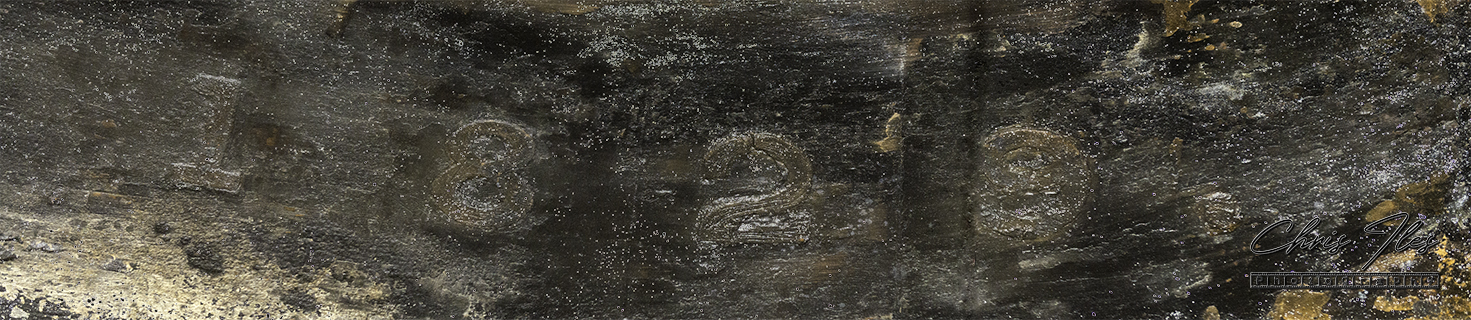
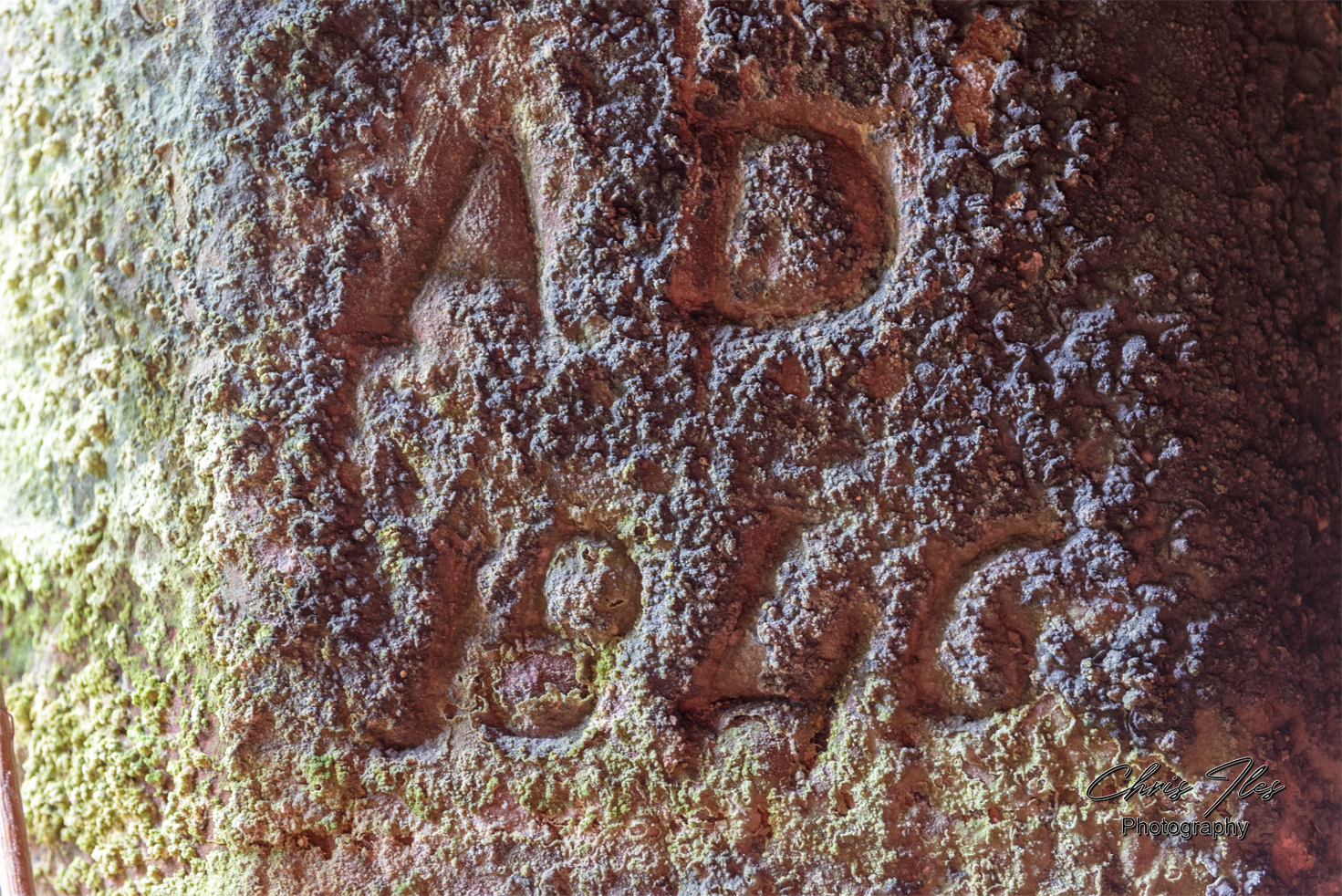
Crown Street Tunnel, the 1829 date stone on the arch roof of the tunnel.


New 1846 Crown Street Tunnel
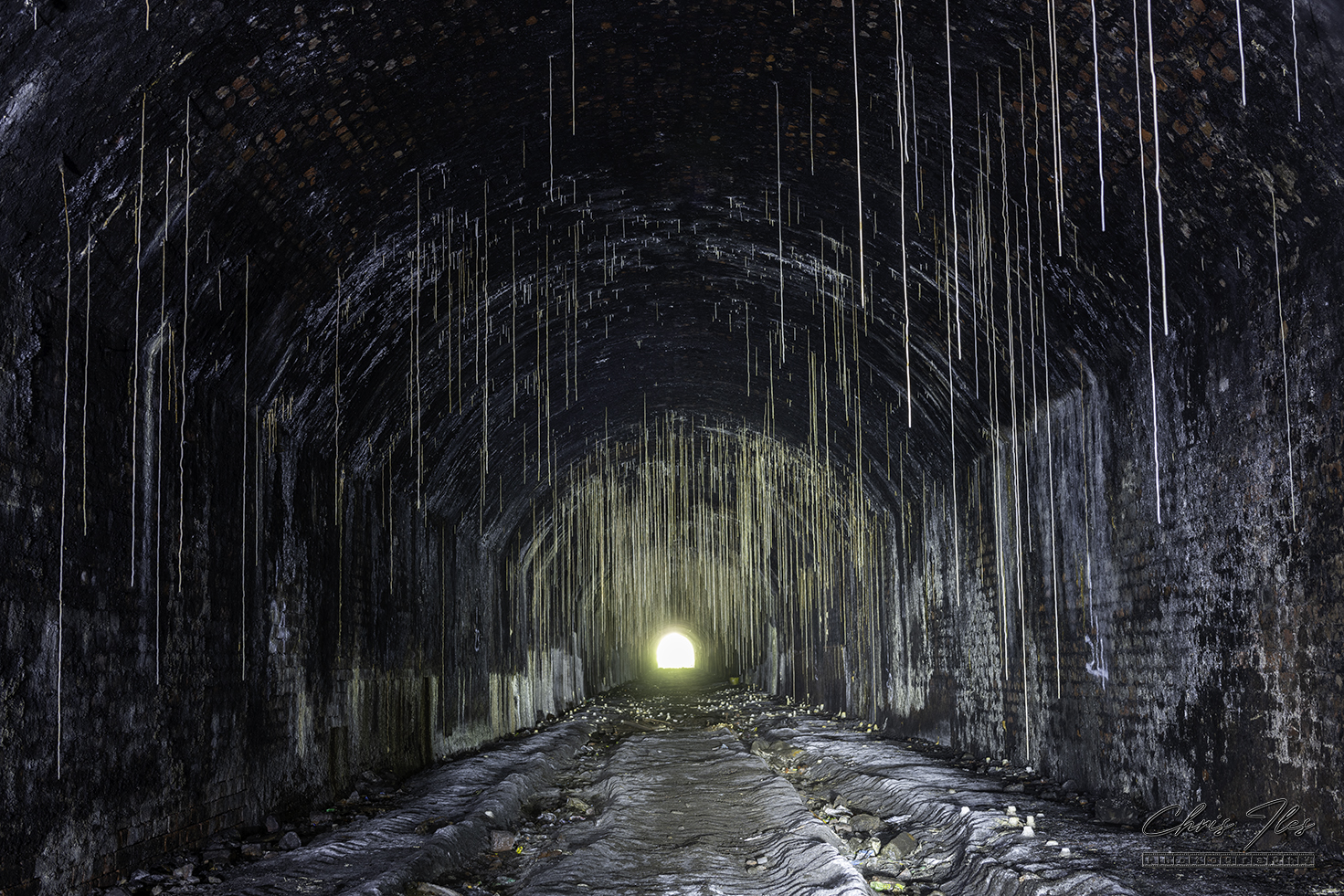
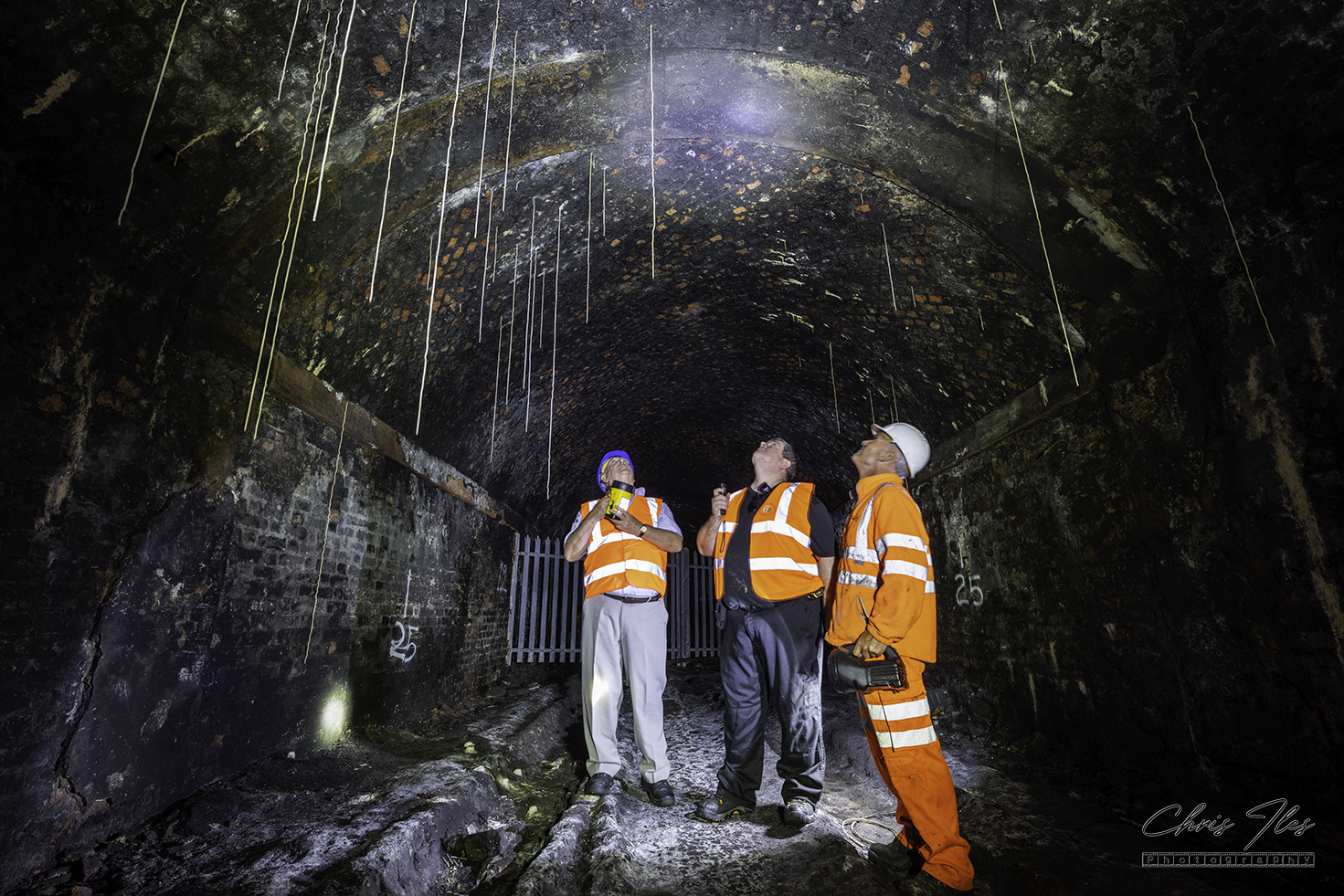
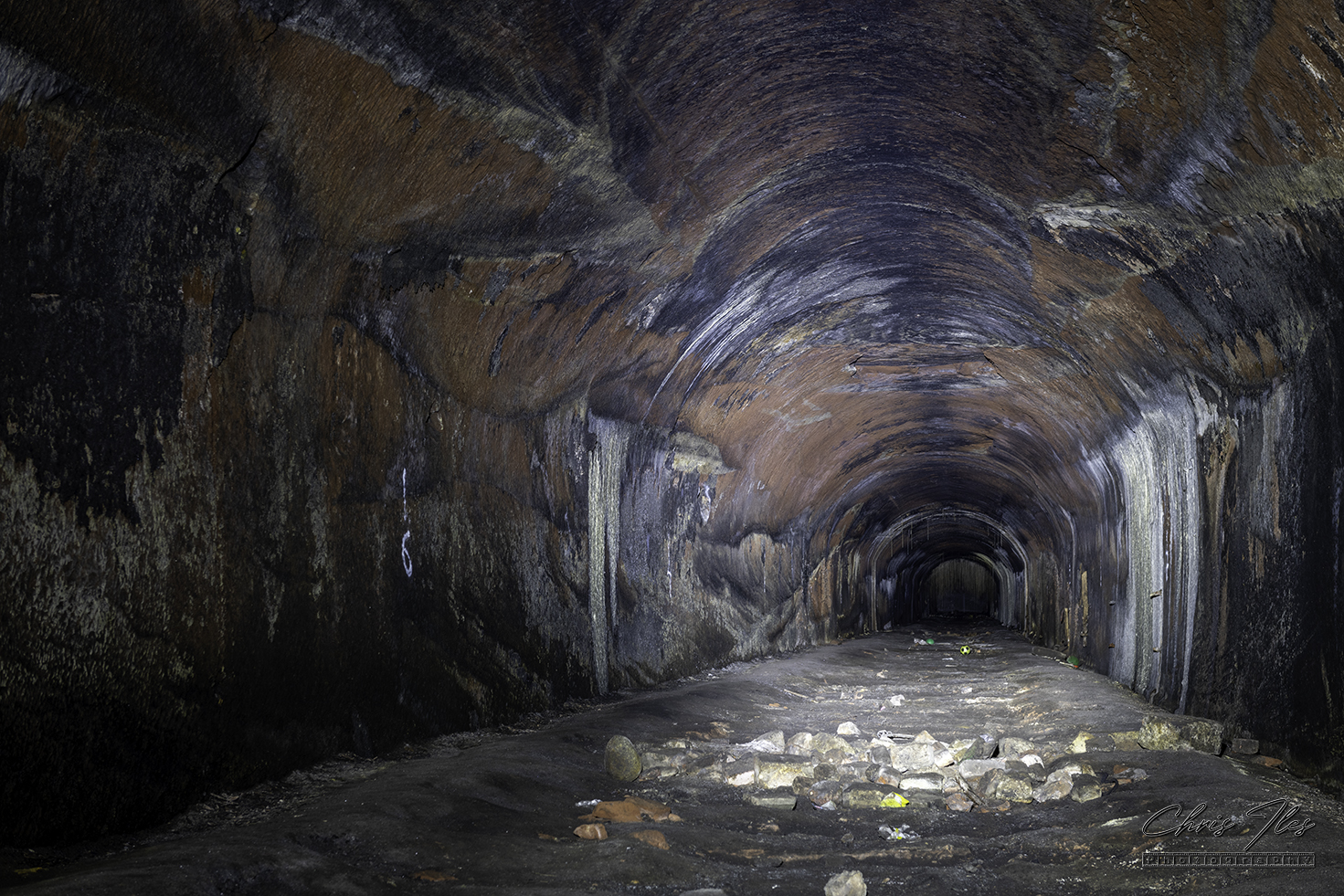
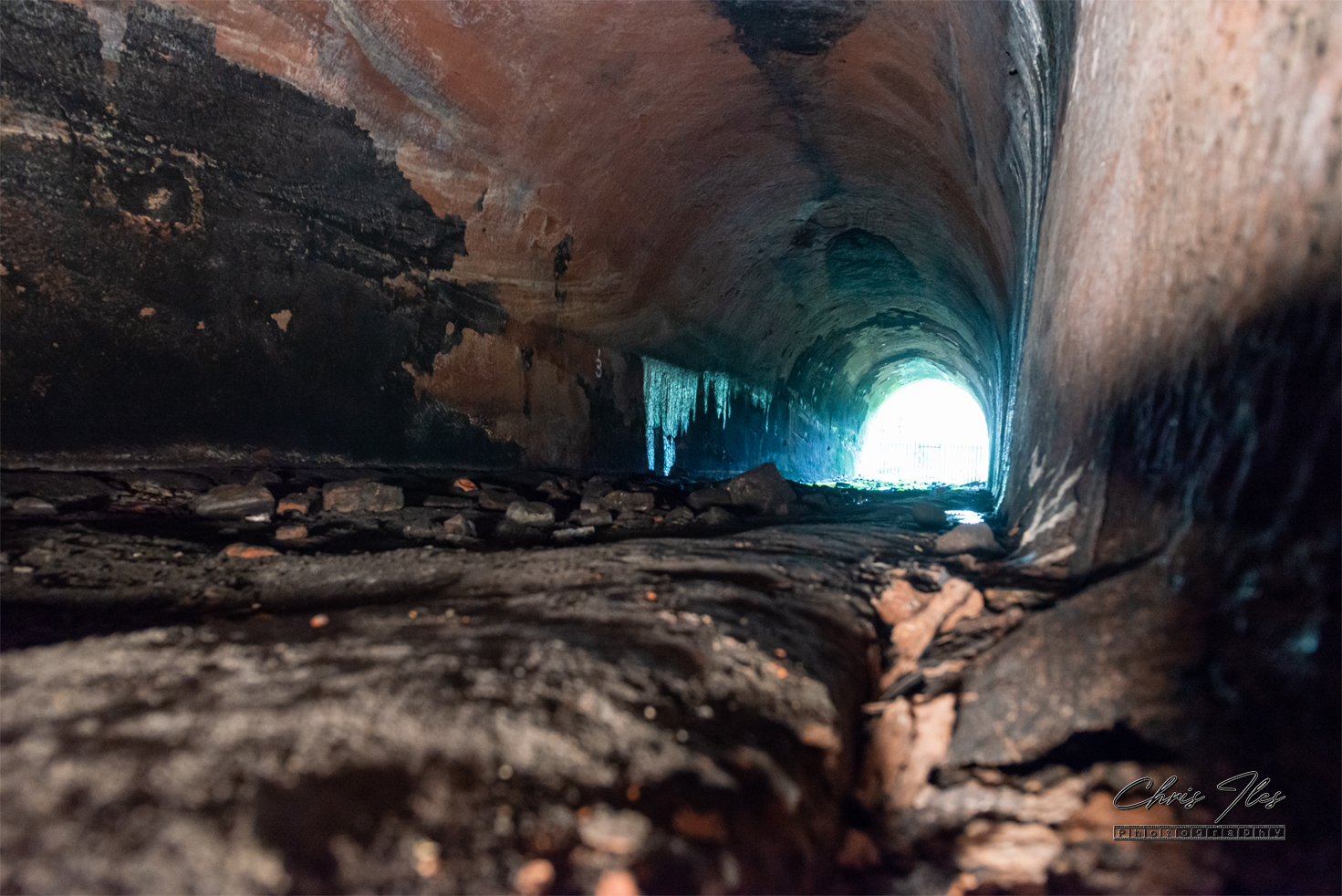
The tunnel on the left, is the ‘New 1846 Crown Street Tunnel’. The new tunnel was built to increase capacity and provide a new route into Crown Street goods station for locomotives. There was originaly a small gauge Tunnel where the new 1846 tunnel is today. The original tunnel being built for storage and architectural symmetry of the three tunnel portals. During the construction of the new 1846 tunnel, the original small gauge tunnel was enlarged, which resulted in the cutting also being widened on the South side. The new 1846 Crown Street Tunnel, is still in use today as a siding and head shunt for the running round or reversing of trains.
Wapping Cutting | Wapping Tunnel | 1829 Crown Street Tunnel | Crown Street Station/Park | Wapping Crows Foot | Maps
Wapping Tunnel and Crows Foot, Kings Dock
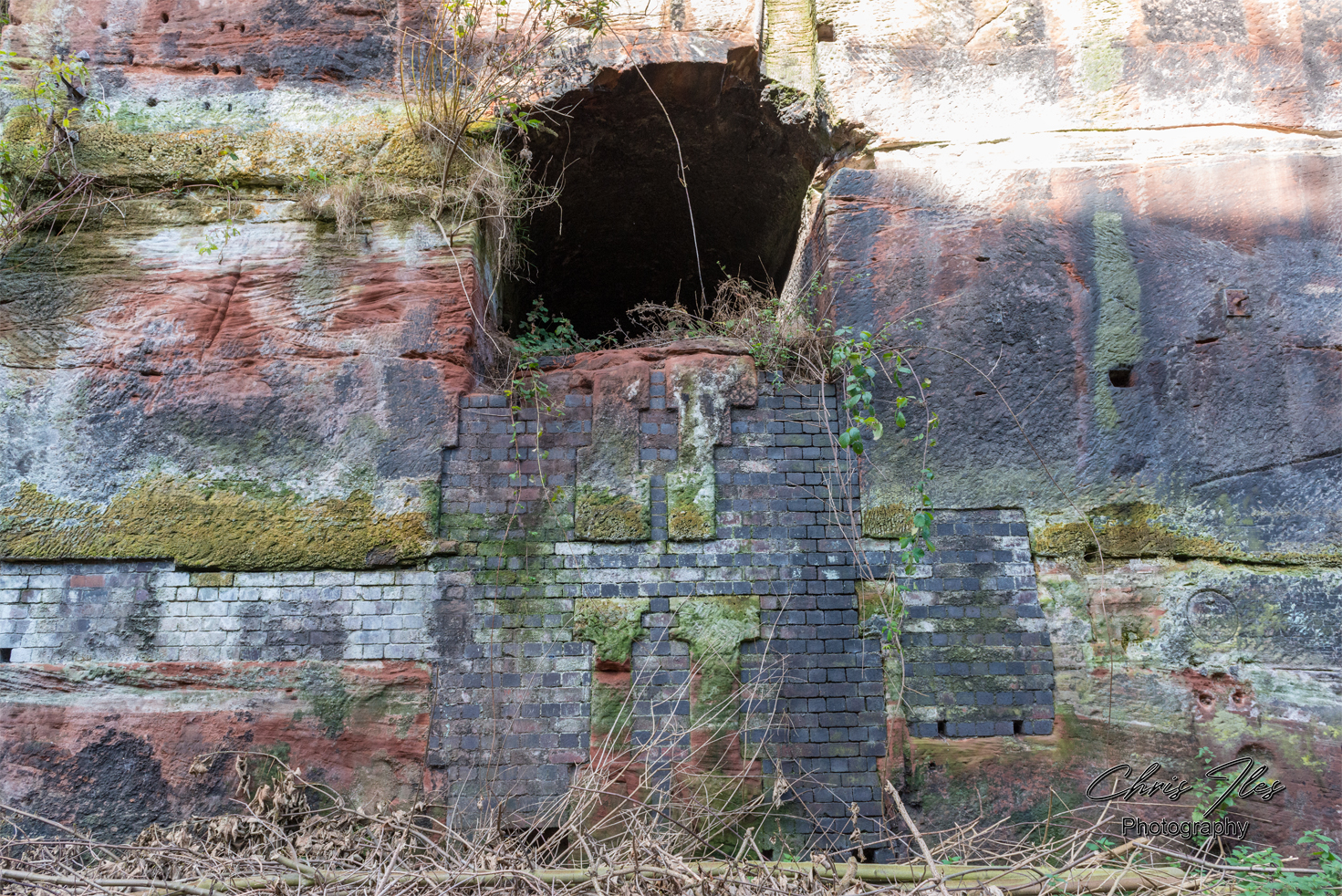
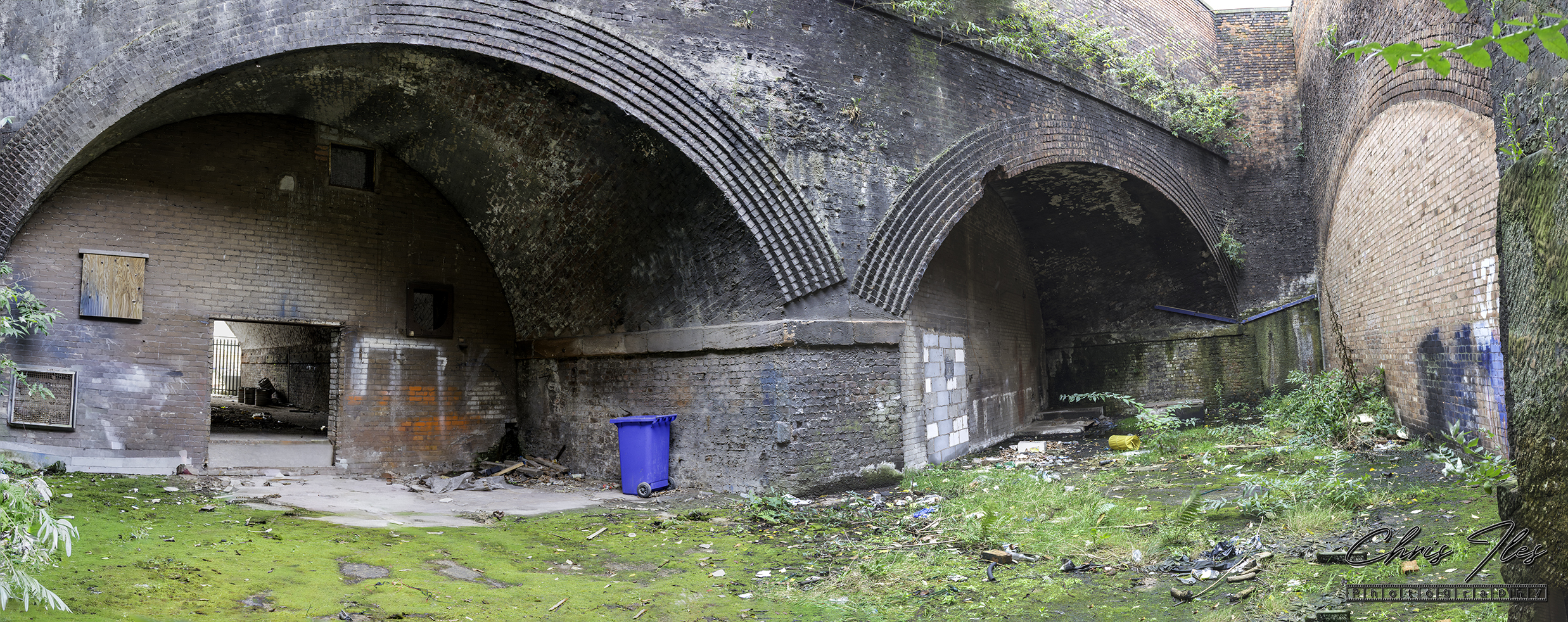
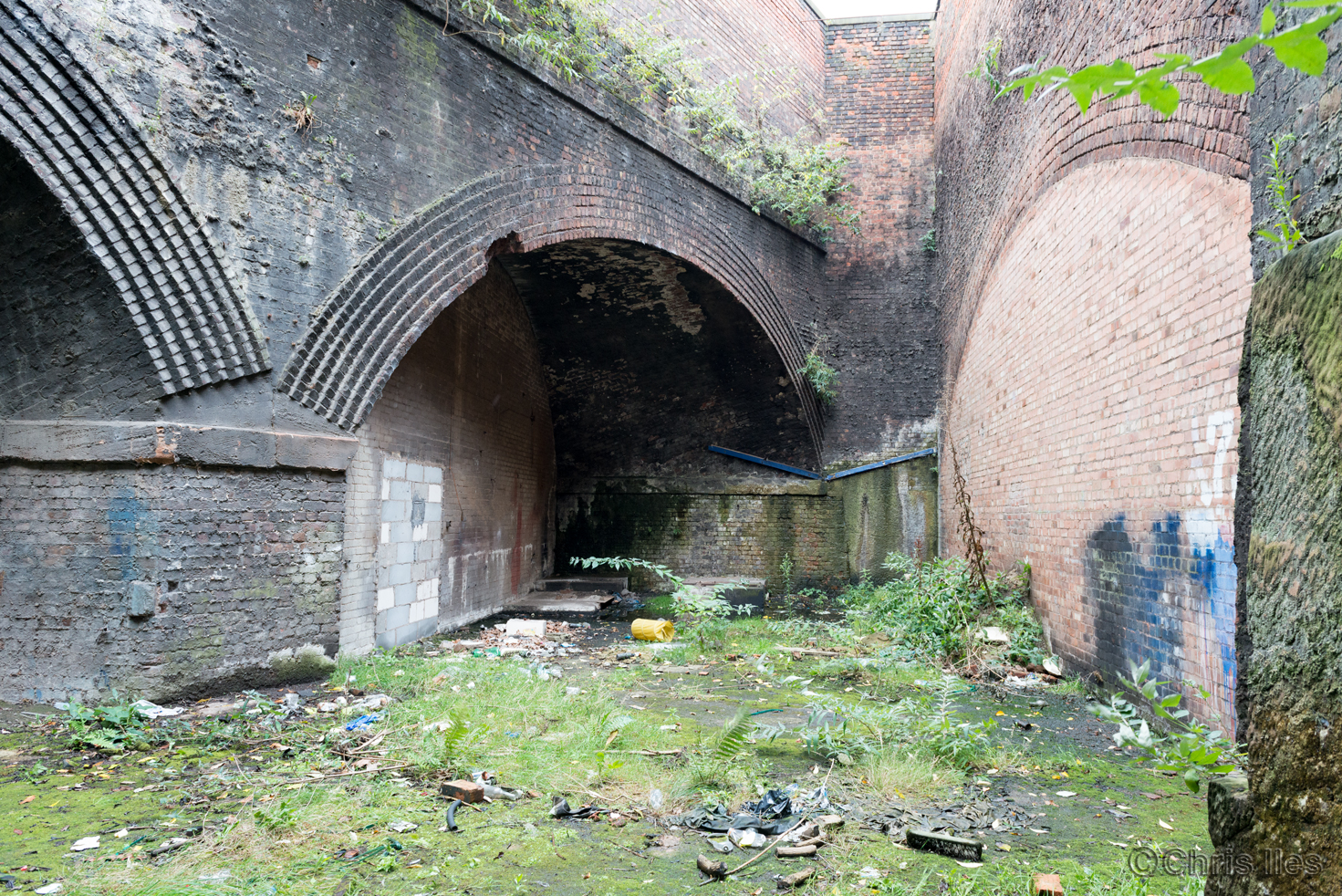
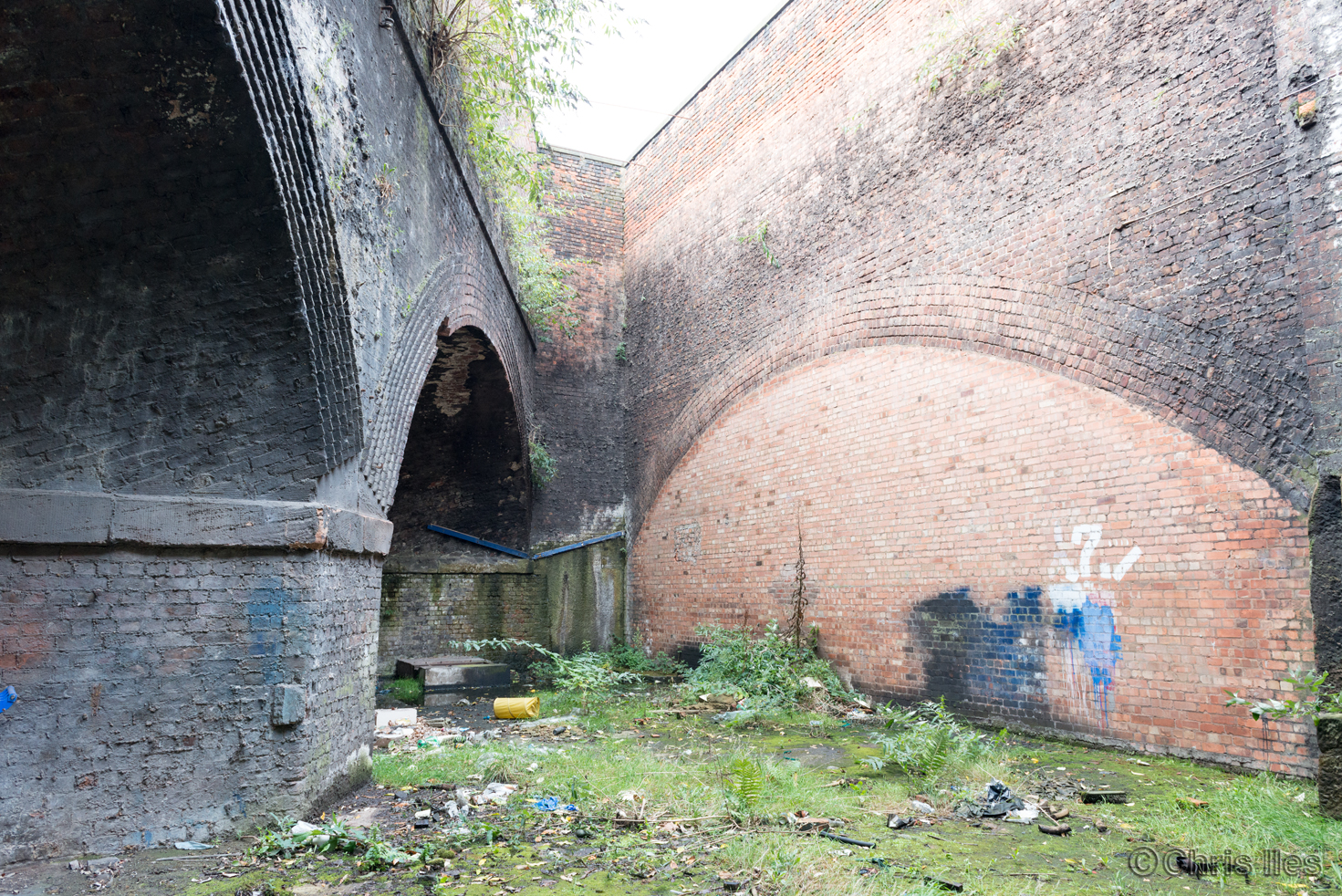
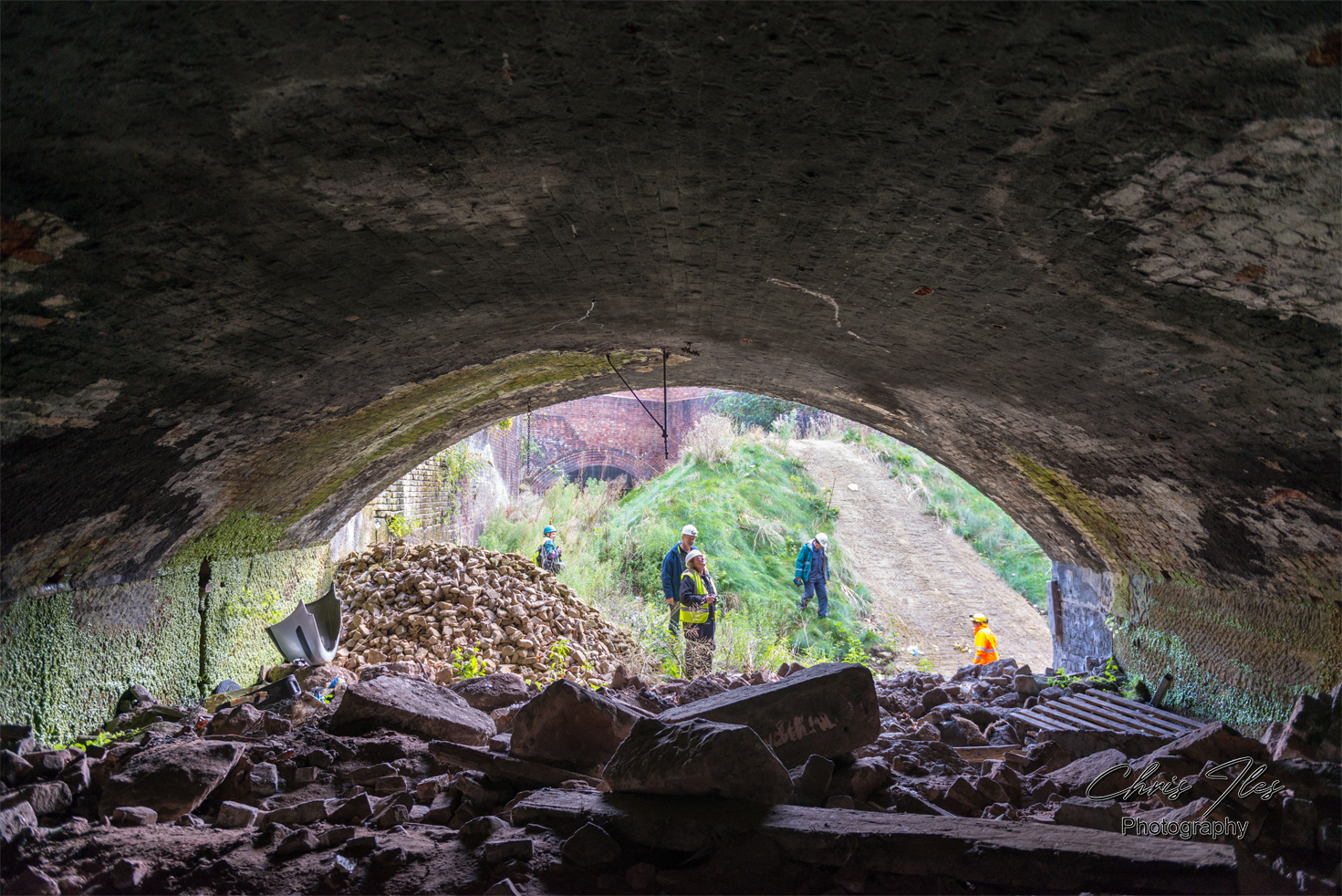
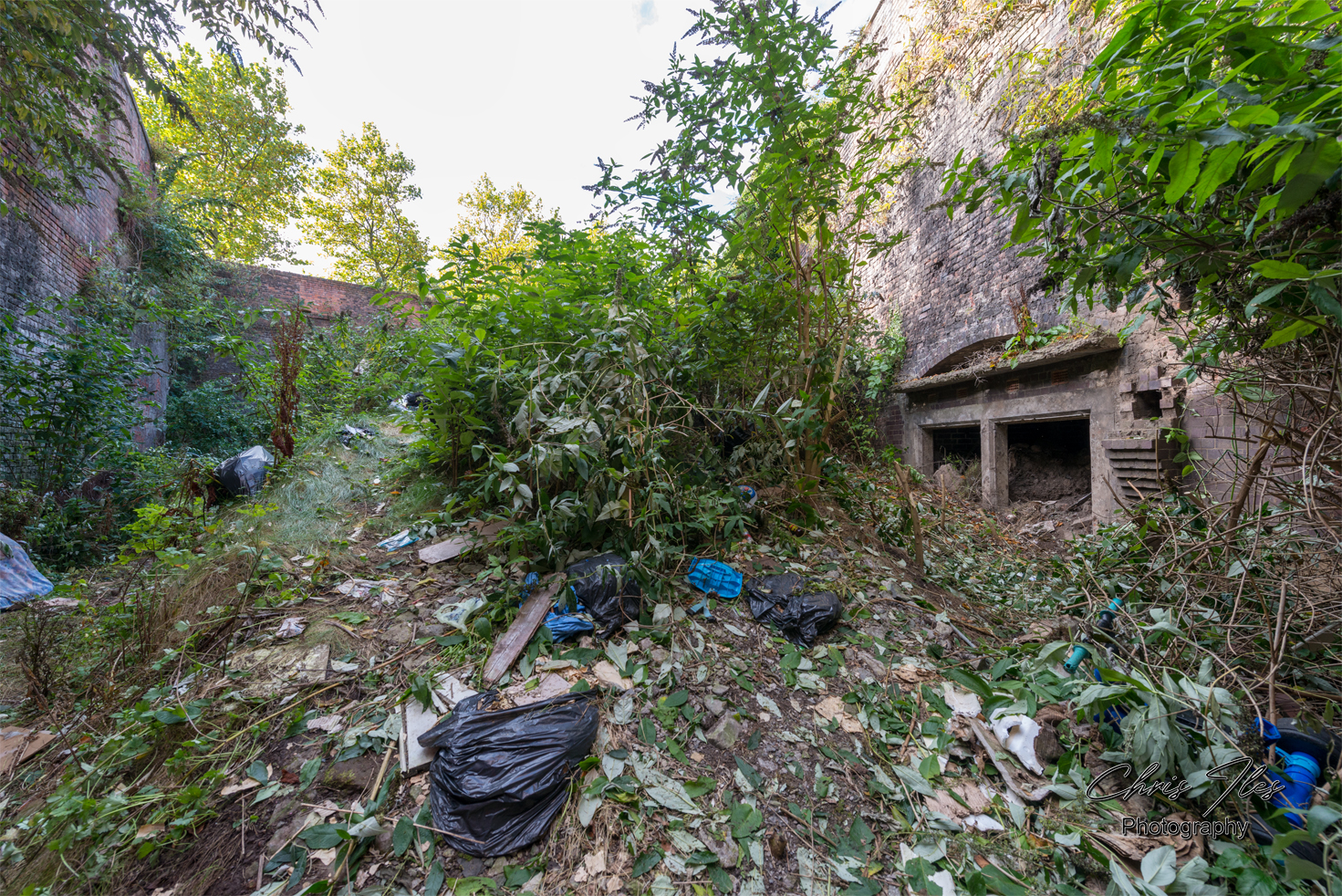
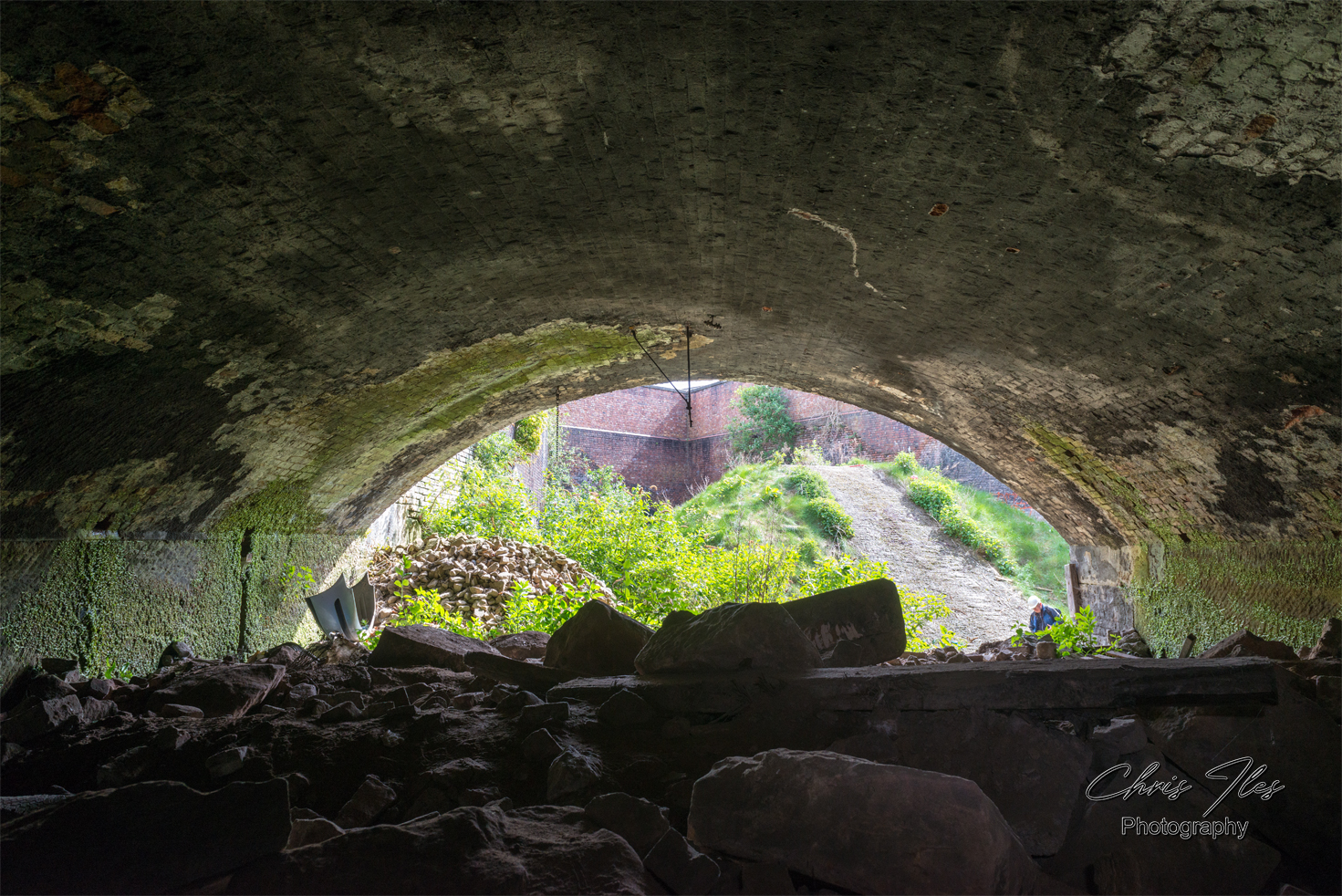
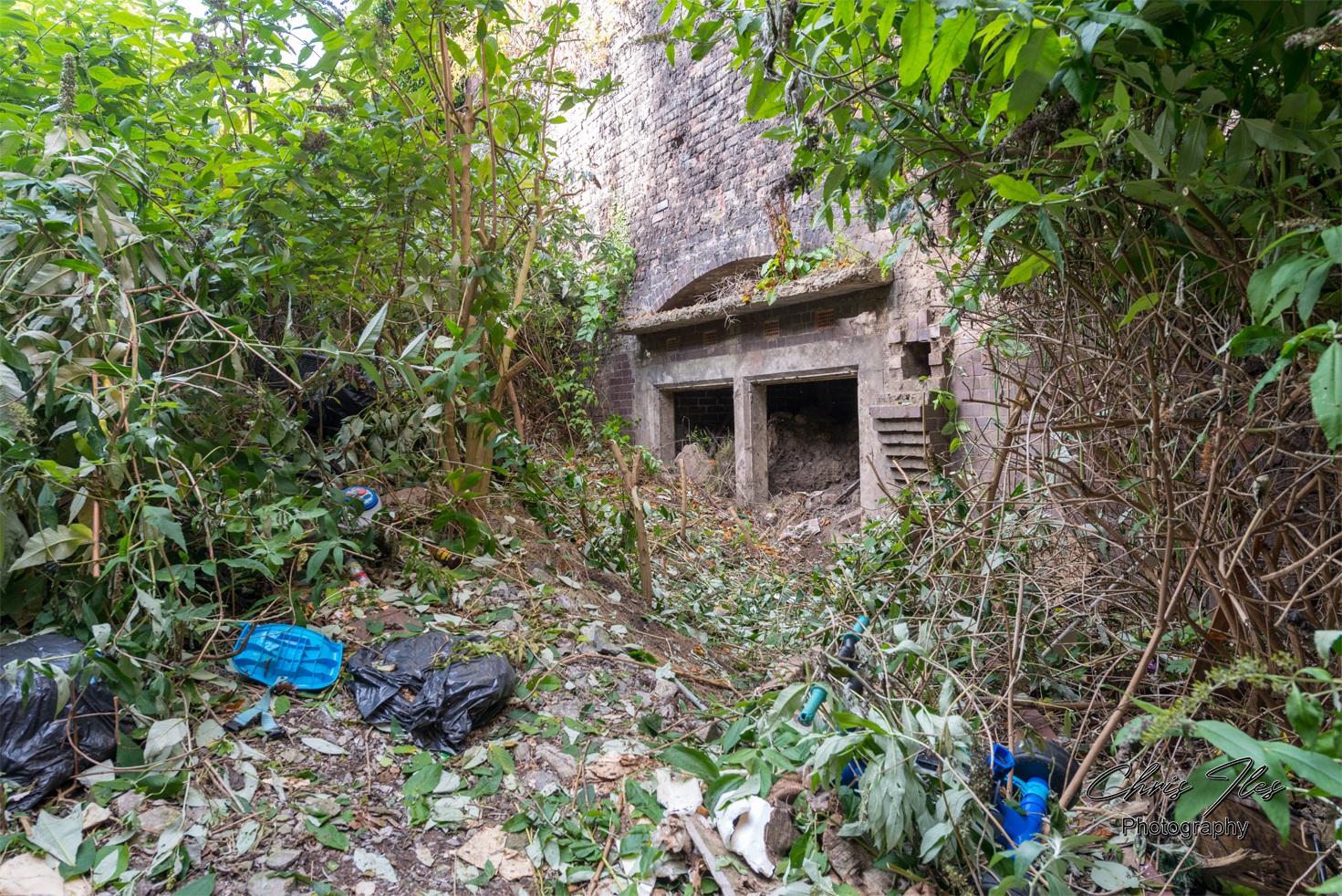
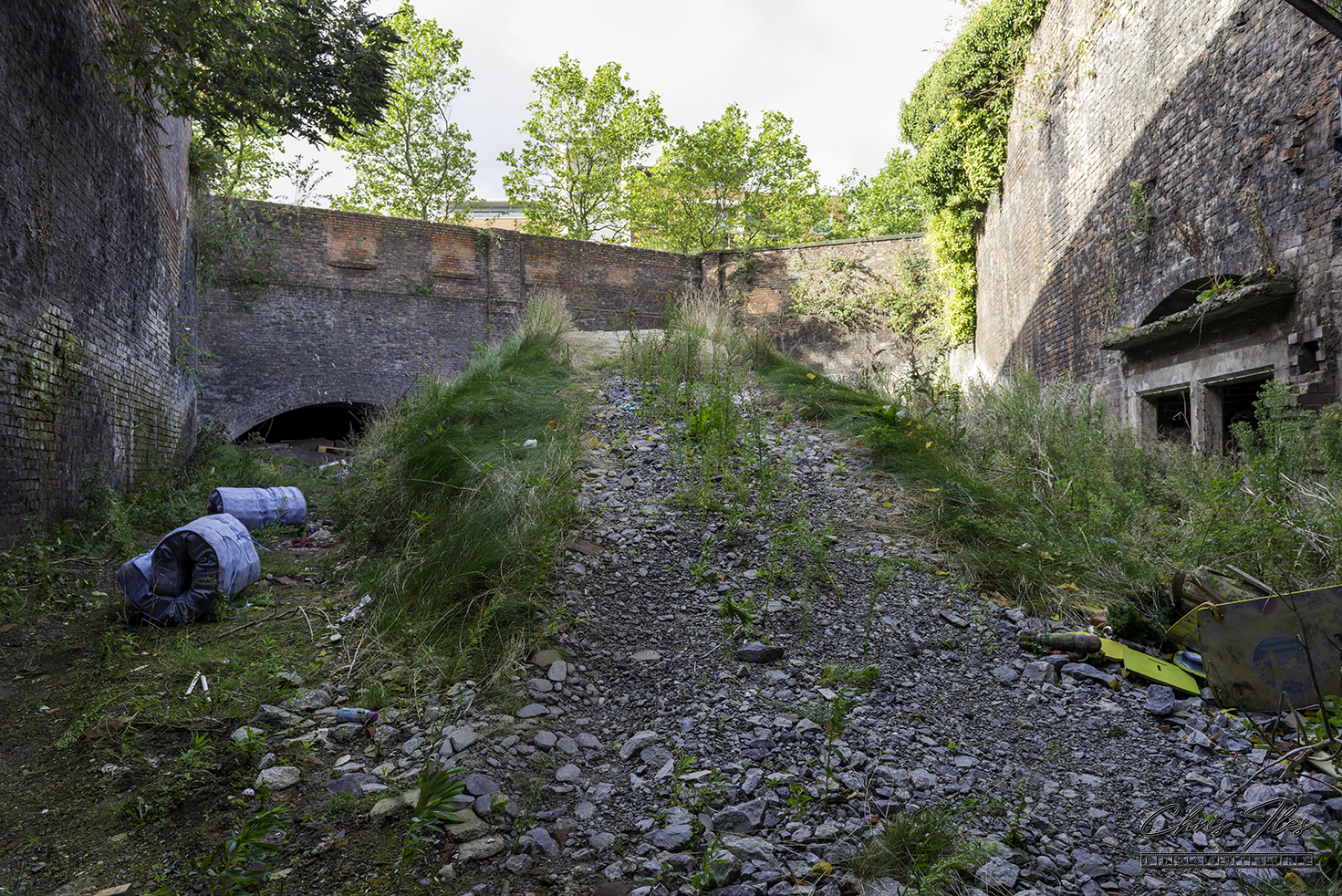
After travelling from Edge Hill, through the Wapping Tunnel towards King’s Dock, the train would emerge into an open cutting. Immediately after exiting the Wapping’s Portal, there was a small signal box on the right hand side. The Signal Box was built within an arch, cut into the cutting wall, it’s remains are still visible today, as can be seen in the photographs. Trains were routed through a Junction, controlled by the signal box, from the Wapping Tunnel, through to one of three Crows Foot Tunnels ahead. Each of the three Crows Foot Tunnels, routed trains towards different sections of the goods yard.
The Wapping Tunnel’s single bore portal, opens out into an open cutting. Followed by 3 Tunnel’s, known as the Crows Foot. The junction within the cutting was controlled by the former Signal Box, the remains of which are still visible in the wall of the cutting today.

Wapping Cutting | Wapping Tunnel | 1846 Crown Street Tunnel | Crown Street Station/Park | Wapping Crows Foot | Maps
Crown Street Park, the former Crown Street Station
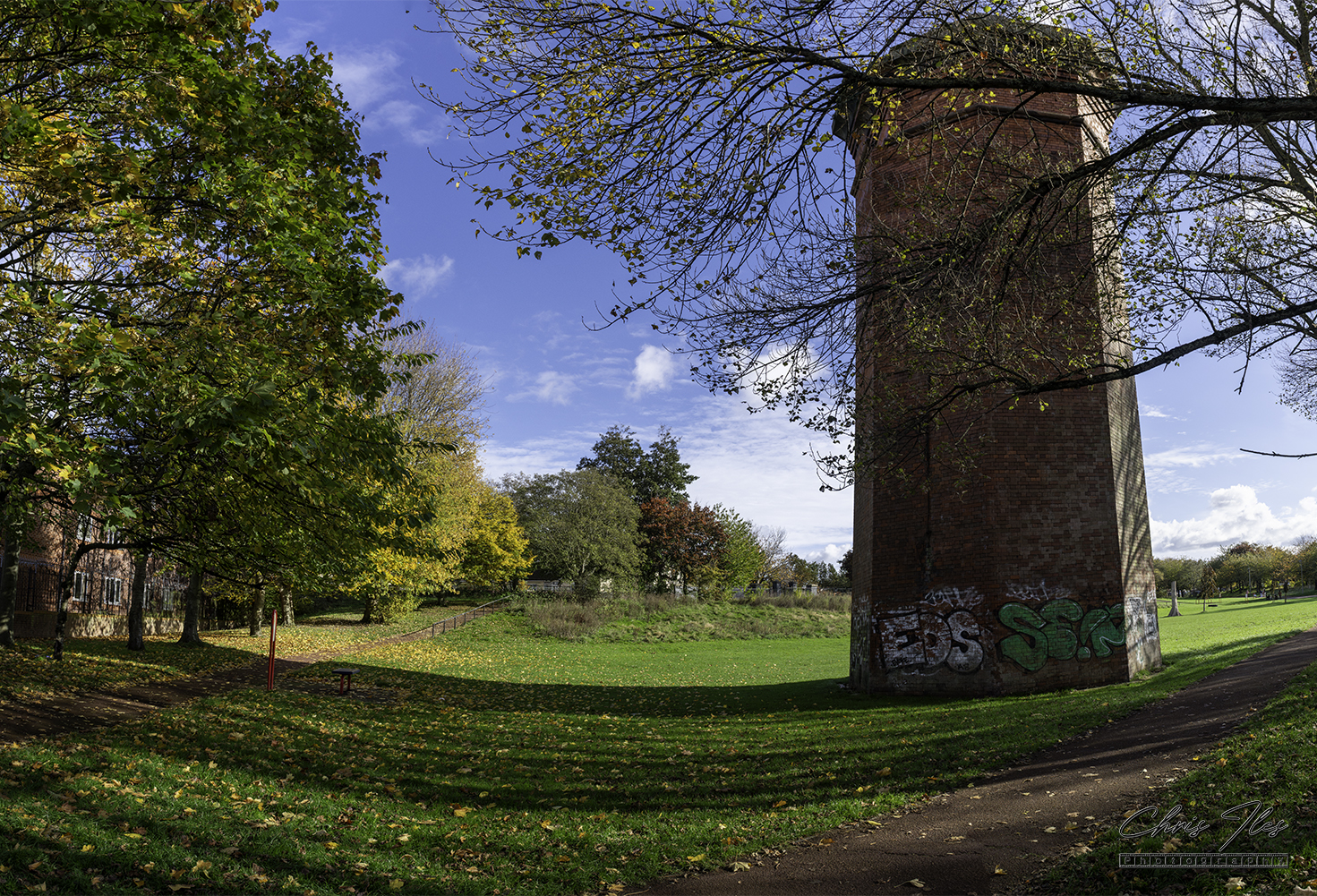
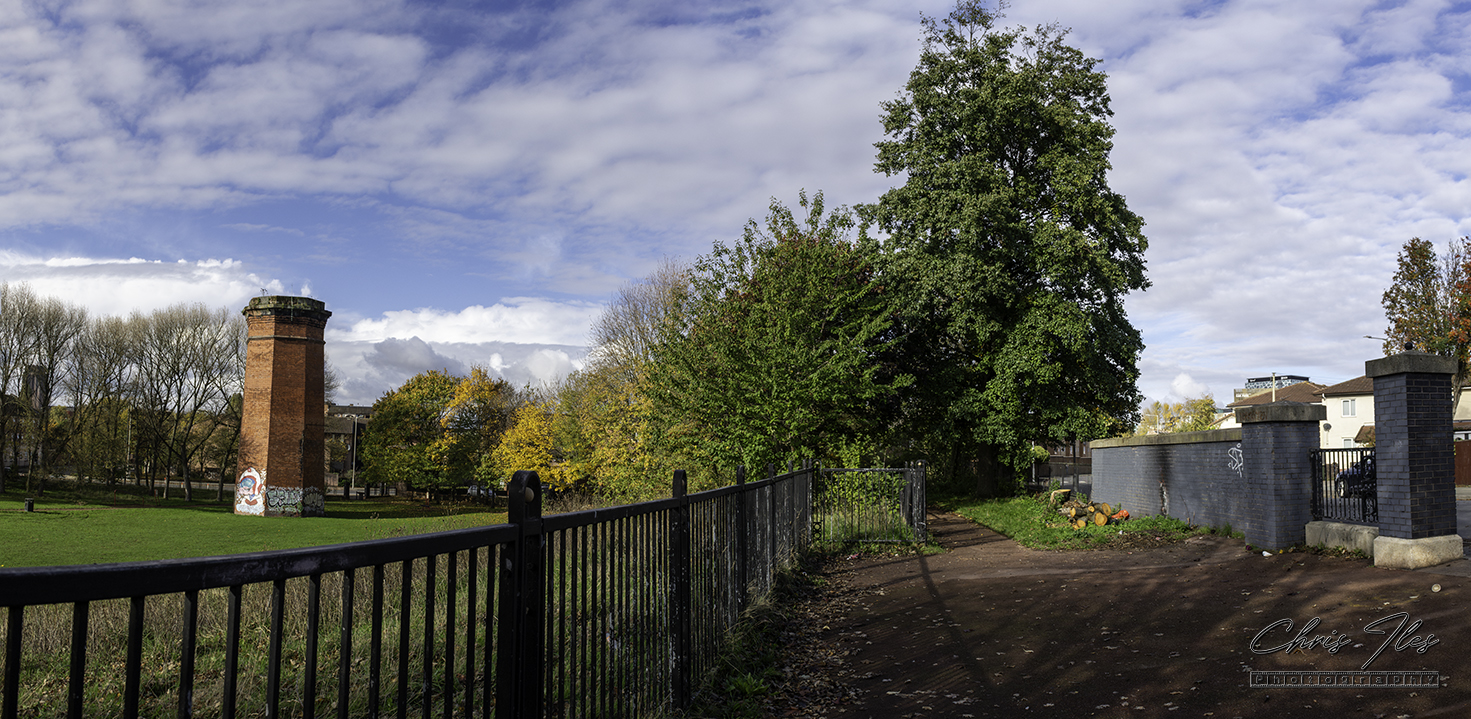
The 1829 Crown Street Tunnel, opened out into the former Crown Street Station, Liverpool’s first main terminus station. Once Lime Street Station had opened in 1836, Crown street Station was closed and became the Crown Street goods Station until 1972. The former Crown Street Station is now a public park, with little to show of its original use.
Top image: Shows the First of the Wapping Tunnel Vent shafts with a grass bank in the distance. It is this grass bank that hides the portal of the 1829 Crown Street Tunnel from view. On the left near to where the trees are, is where the former Station was located.
Bottom image. The portal of the 1829 Crown Street Tunnel is hidden below the grass bank and path beneath the wall on the right, with the former station and the Wapping Tunnel Vent in the distance.
Update: August 2022
LMRT, the “Liverpool & Manchester Railway Trust”, were delighted to receive the news that the application to protect the historic railway structures, submitted by the Trust back in 2018, had been successful. This has given the Edge Hill Engine Station, specifically the North wall of the Wapping Cutting, along with the tunnel portals and the first 20m of each tunnel, ‘Scheduled Monument’ status on the recommendation of Historic England. This is great news and gives the recognition and protection that this important Liverpool Railway Heritage deserves for the future.
You can read the media Announcements in the Liverpool Echo and BBC News, along with the Scheduled Monument Listing information on the Historic England Web Site.
Map showing the location of the Wapping Cutting, Wapping Tunnel & the Crown Street Tunnel
Open maps to view in greater detail.
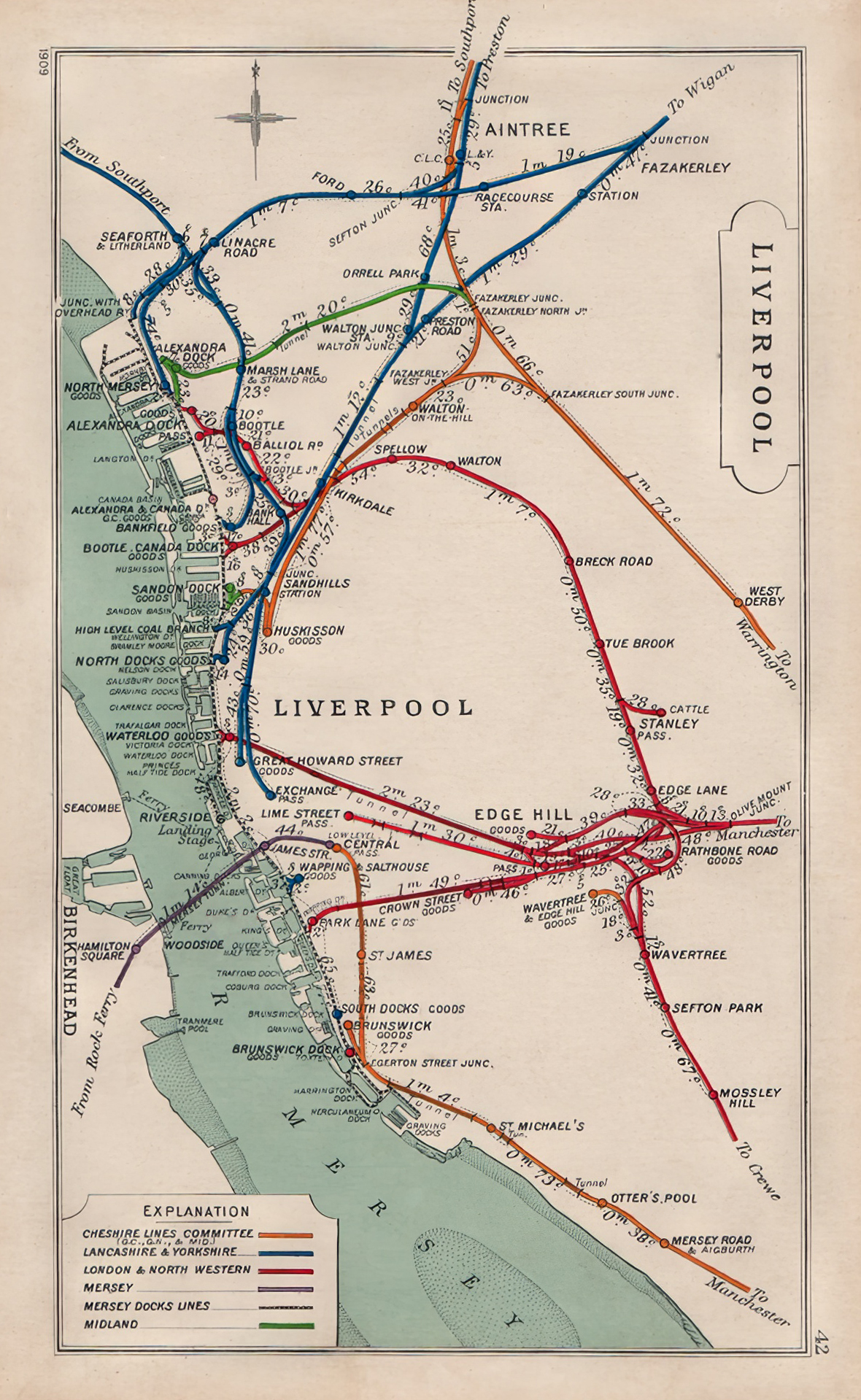
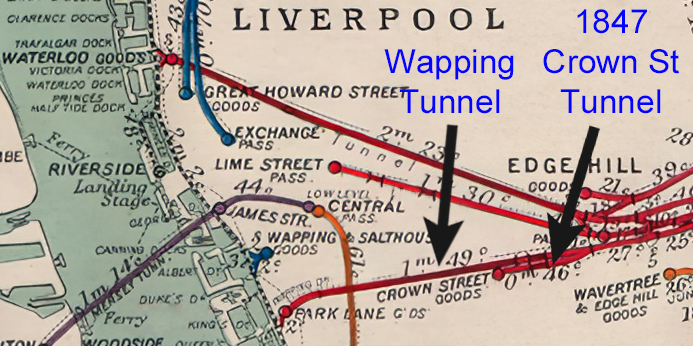

A ‘Railway Clearing House map’, dated 1909, shows the Old Railways of Liverpool with a closeup of the section detailing the long disused Wapping Tunnel and the 1846 New Crown Street Tunnel alongside. The original 1829 Crown Street Tunnel on the North side of the Wapping Tunnel is not shown on the map.
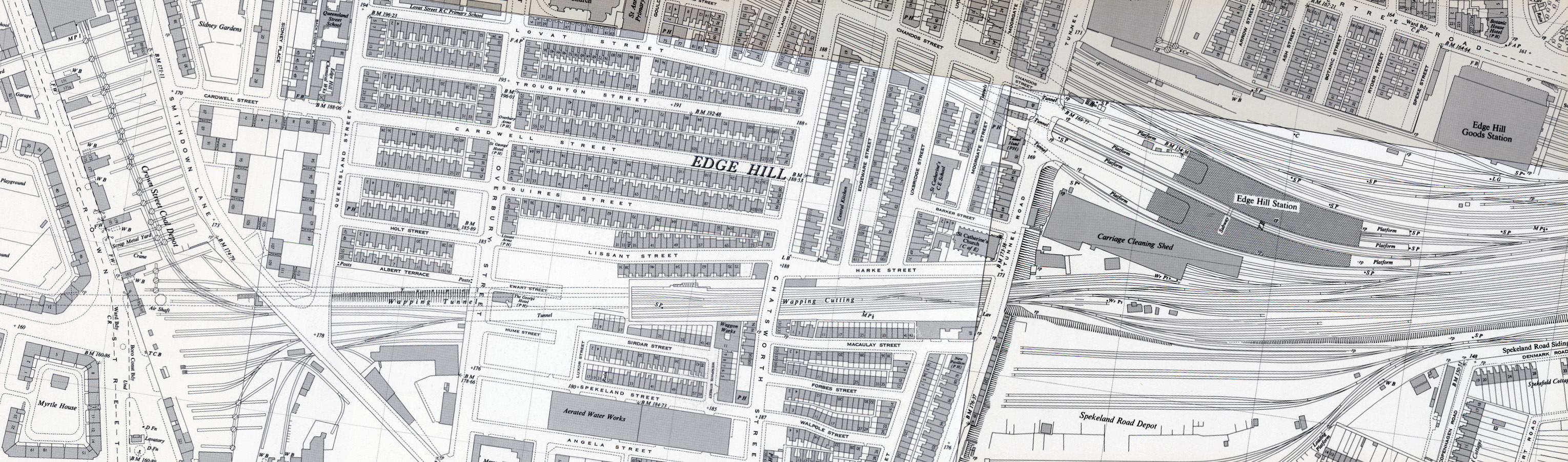
A closeup map of Edge Hill Station, the Wapping Cutting and the Crown Street Goods Station. The Map: OS 1:1,250/1:2500, 1944-1974 Map (curtesy of National Library of Scotland).
The second, is a map I purchased for my collection of Historic Liverpool maps. A ‘Kelly’s Directories’, ‘Map of Liverpool, Bootle and Suburbs 1903’, shows the Railways and stations throughout Liverpool at this time.
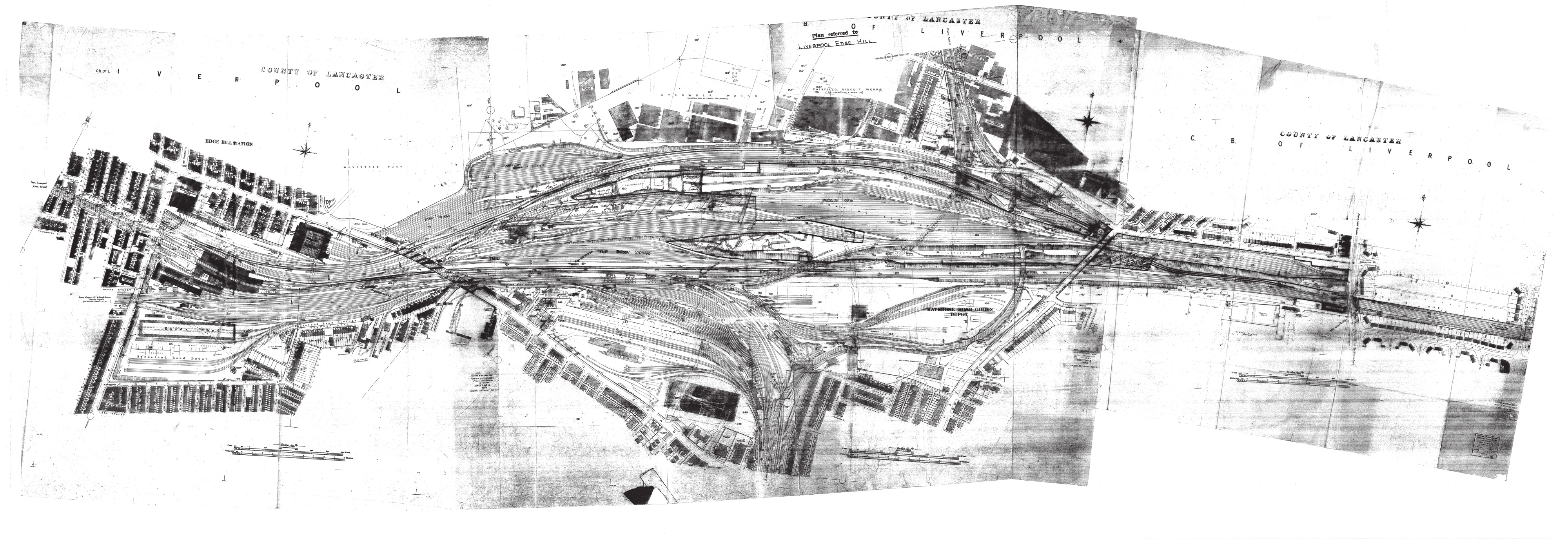
The extent of Liverpool’s complex Rail network as seen on an official 1959 British Railway’s rail plan of Edge Hill. The original plan being approximately 6ft wide, made scanning on an A4 scanner quite a task.
Click the maps, to view in more detail.
Random Image Galleries
Random Galleries, updated on each page refresh.




 Chris Iles - Photography | chrisiles.co.uk
Leave a comment